- Washington says attacks targeted missile, drone, and maritime military infrastructure
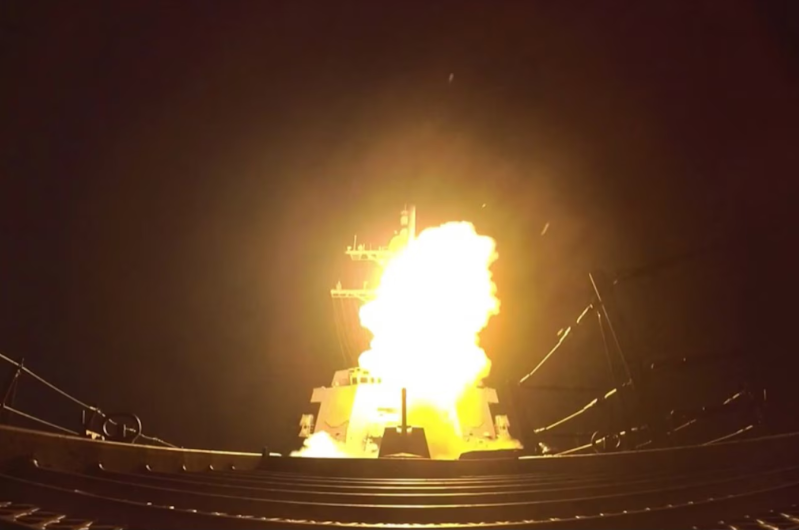
KUWAIT CITY: The US military said early Thursday that it had completed its latest round of strikes against Iran on the orders of President Donald Trump, marking the 12th consecutive night of American military operations.
In a statement posted on social media, US Central Command (CENTCOM) said the strikes targeted a range of Iranian military assets, including maritime capabilities, missile and drone storage facilities, coastal surveillance sites, and air defense systems.
“US forces struck Iranian military targets including maritime capabilities, missile and drone storage facilities, coastal surveillance sites, and air defense assets,” CENTCOM said. “The strikes further degrade Iran’s ability to attack civilian mariners and commercial vessels.”
Maritime Pressure Intensifies
According to the US military, operations have included strikes on numerous Iranian military sites on land, while naval measures aimed at restricting Iran’s maritime activity have also continued.
CENTCOM said US forces redirected nine Iran-linked commercial vessels and disabled one vessel in an effort to prevent access to Iranian ports, as part of broader efforts to disrupt Iranian military and logistical operations.
Kuwait Reports Interception of Hostile Drones
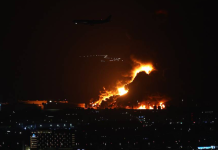
Separately, Kuwait’s military announced early Thursday that its air defenses were responding to hostile drone threats, following several days of Iranian strikes involving the country.
“Kuwaiti air defenses are currently responding to hostile drone threats,” the army said in an overnight message on X. “Any explosions that may be heard are the result of air defense systems intercepting hostile targets.”
No casualties or damage were immediately reported by Kuwaiti authorities.
Regional Tensions Continue to Escalate
The latest developments underscore the continuing escalation between the United States and Iran, with military operations expanding across both land and maritime domains and neighboring Gulf states increasing security measures amid concerns over a wider regional spillover.
BY: The Times Union