- Saudis report at least 3 killed in Iran-backed group’s strikes on oil facility and airport; Sissi says Egyptian military support for kingdom won’t include strikes in Yemen
The United States has ordered non-essential US embassy staff and their families to leave Saudi Arabia, the State Department said on Wednesday, as the kingdom comes under sustained deadly attacks by Yemen’s Houthis.
“Iranian-supported Houthis have increasingly engaged in hostilities against Saudi Arabia, including attacks on civilian airports and other critical infrastructure resulting in civilian casualties and severe travel disruptions,” State Department spokesman Tommy Pigott said in a social media post explaining the measure.
“The safety and security of department personnel and their families remain our highest priority,” he added.
A diplomatic source in the Middle East told AFP that some families of US embassy personnel were also being withdrawn in the United Arab Emirates, Jordan, Qatar and Bahrain, but Pigott stressed that Wednesday’s order was for the departure of non-emergency embassy staff and their families in Saudi Arabia only.
Saudi Arabia has this month come under near-daily attacks from the Iran-backed Houthis, including a strike on Riyadh’s international airport that was the kingdom’s deadliest in years, as the war with the group escalates.
On Wednesday, the Saudi energy ministry said that falling debris from the successful interception of a drone targeting an oil facility killed two people and injured a further two.
“The attempted attack resulted in the deaths of two individuals, a Filipino and a Nepali, and injuries to two others,” the ministry said in a statement.
It did not say who launched the drone aimed at Shaybah oil field near the UAE border. Earlier on Wednesday, the Saudi-led coalition in Yemen reported intercepting six drones.
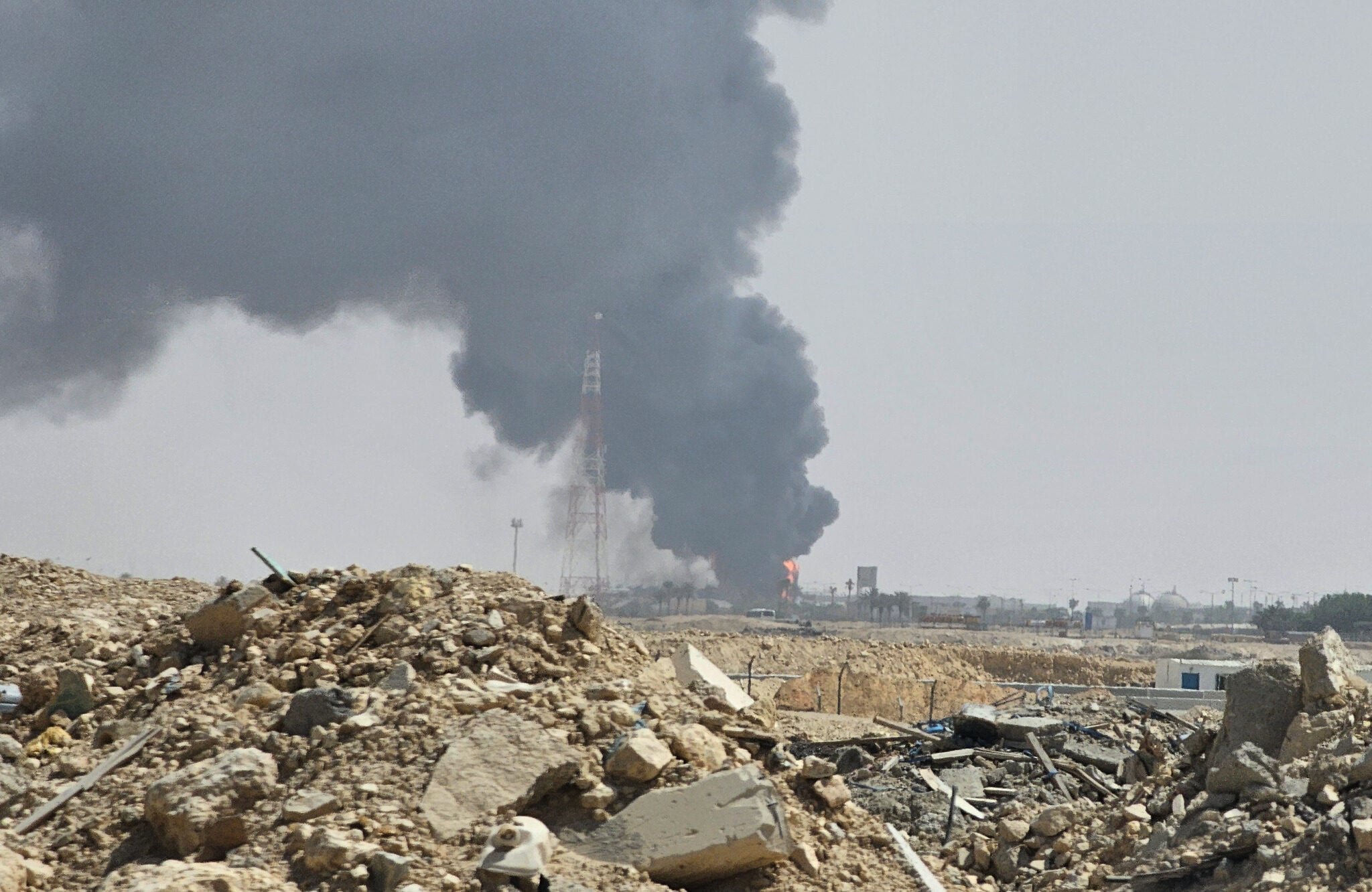
One person was killed and eight others wounded in an attack on Dammam airport in eastern Saudi Arabia, aviation officials said.
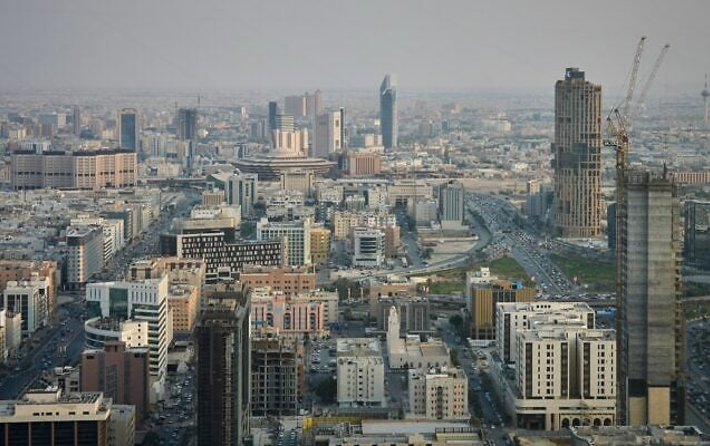
area in southern Riyadh, Saudi Arabia, October 3, 2026.
In June, a four-year-old truce in Yemen’s civil war collapsed, reviving the conflict that dates back to 2014. The Saudi-led coalition has backed the internationally recognized government since 2015.
Egypt says military support won’t include strikes in Yemen
Also Wednesday, Egyptian President Abdel Fattah el-Sissi said Egypt’s military support for Saudi Arabia would be limited to defending the kingdom’s territory and borders and would not include an attack on Yemen, the presidency said on Wednesday, as the Iran-allied Houthis intensify attacks on the kingdom.
Sissi’s comments came as Egyptian Foreign Minister Badr Abdelatty and intelligence chief Hassan Rashad met Saudi Crown Prince Mohammed bin Salman in Riyadh, Saudi state news agency SPA said. Abdelatty delivered a written message from Sissi to King Salman, and the two sides discussed bilateral ties and regional developments, SPA said.
The letter concerned strengthening bilateral ties and affirmed Egypt’s full solidarity with and support for Saudi Arabia, Egypt’s foreign ministry said in a statement.
Any Egyptian military backing for Saudi Arabia could mark a significant escalation in the broader Middle East conflict, which has threatened global energy supplies and pushed oil prices higher since the US and Israel attacked Iran in February.
Egypt would also defend the territory of any other Arab country if asked, Sissi said, but its military effort would not extend beyond Egyptian territory or that of an Arab state whose security and stability Cairo was seeking to protect.
On Monday, Egypt’s parliament delayed until October 26 a vote on authorizing the armed forces to support Saudi Arabia if requested, lawmakers said.
Fighting between the Saudi-led coalition backing Yemen’s internationally recognized government and the Houthis, who control the capital Sanaa and much of the north, has escalated in recent weeks, opening another front in the US-Israeli war on Iran.
Egypt and Saudi Arabia are close strategic and economic partners. Saudi Arabia and other Gulf states, including the United Arab Emirates, provided Egypt with billions of dollars in aid, central bank deposits and investments after the 2013 military overthrow of Muslim Brotherhood president Mohammed Morsi. Sissi became president a year later.
Egypt, a regional military power, previously joined the Saudi-led coalition that intervened in Yemen in 2015 in support of the government against the Houthis, though it played a limited combat role in the civil war.
BY: Agencies