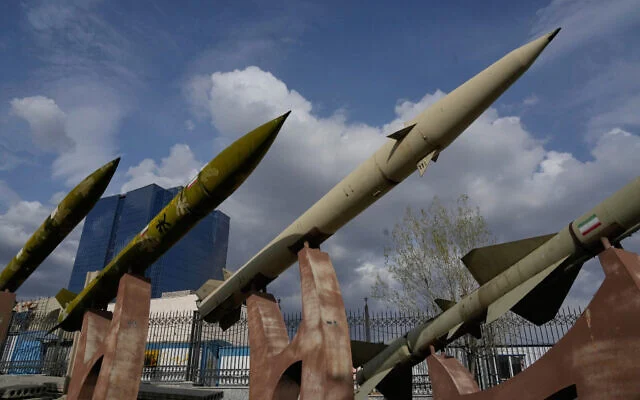
- CNN, citing satellite images, says 50 out of 69 tunnel openings now salvaged, most missiles survived US-Israeli bombing; Tehran says talks ongoing, US not to be trusted
Iran has salvaged entrances to dozens of missile facilities struck by the US and Israel in the recent war, a Sunday report said, as the Islamic Republic continues to rebuild its military infrastructure amid ceasefire talks with the US.
According to CNN, citing satellite images, Iran has been able to dig out 50 of 69 tunnel entrances at 18 separate underground missile facilities across the country. It has also repaired other damaged areas of those bases, including key access roads that the US and Israel bombed during the war, the report said.
The regime is “poised to fire far more long-range missiles at Israel and other Middle Eastern nations after rapidly digging out its buried arsenals,” the report said, quoting experts as saying that Iran still possesses some 1,000 ballistic missiles, most of which are stored in those 18 sites.
This stockpile of missiles is stored deep below the surface, and largely went untouched by the US and Israeli strikes, which targeted tunnel entrances and surrounding infrastructure, the report said.
According to experts cited by CNN, the recent satellite images have revealed the limits of the bombing campaign, with Iran using bulldozers and dump trucks to reopen the missile sites.
Iran can now “continue launching missiles so long as they have launchers and crews, even if production has halted,” Sam Lair, a research associate at the James Martin Center for Nonproliferation Studies, told CNN. “There’s nothing to prevent the launchers from being armed with the ample stockpile of missiles that the Iranians still have.”
According to a recent report by Channel 12, Iran has also resumed production of ballistic missiles, at a rate far faster than initially expected. Israeli defense officials also assess Iran could rebuild its drone capabilities within months and significantly ramp up ballistic missile production within about a year, or possibly sooner, the report said.
The ceasefire declared by US President Donald Trump in April came with core declared goals of the war unfulfilled, including ensuring that Iran does not attain nuclear weapons, destroying its missile program, and creating the conditions for the Iranian public to overthrow the regime.
Iran says US untrustworthy as talks slowly progress
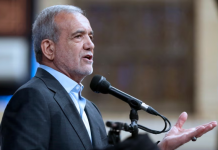
As Trump looked to gain some ground on those issues in long, drawn-out talks, Iran’s chief negotiator warned on Sunday that the US was not to be trusted, saying Tehran would not agree to any deal with Washington unless it fully secured Iranian rights.
Mohammad Bagher Ghalibaf’s remarks came as reports emerged that Trump had sent a tougher peace proposal back to Iran, and underlined the rift that the parties still need to close.
Any tweaks to the draft could further delay an agreement to formally end the war and reopen the Strait of Hormuz, after weeks of fraught negotiations marked by sharp rhetoric and occasional flare-ups of violence.
“We will not approve any agreement until we are certain that the rights of the Iranian people have been upheld,” Ghalibaf said, in a video broadcast on state television.
He added that Iranian negotiators “neither trust the enemy’s words nor its promises.”
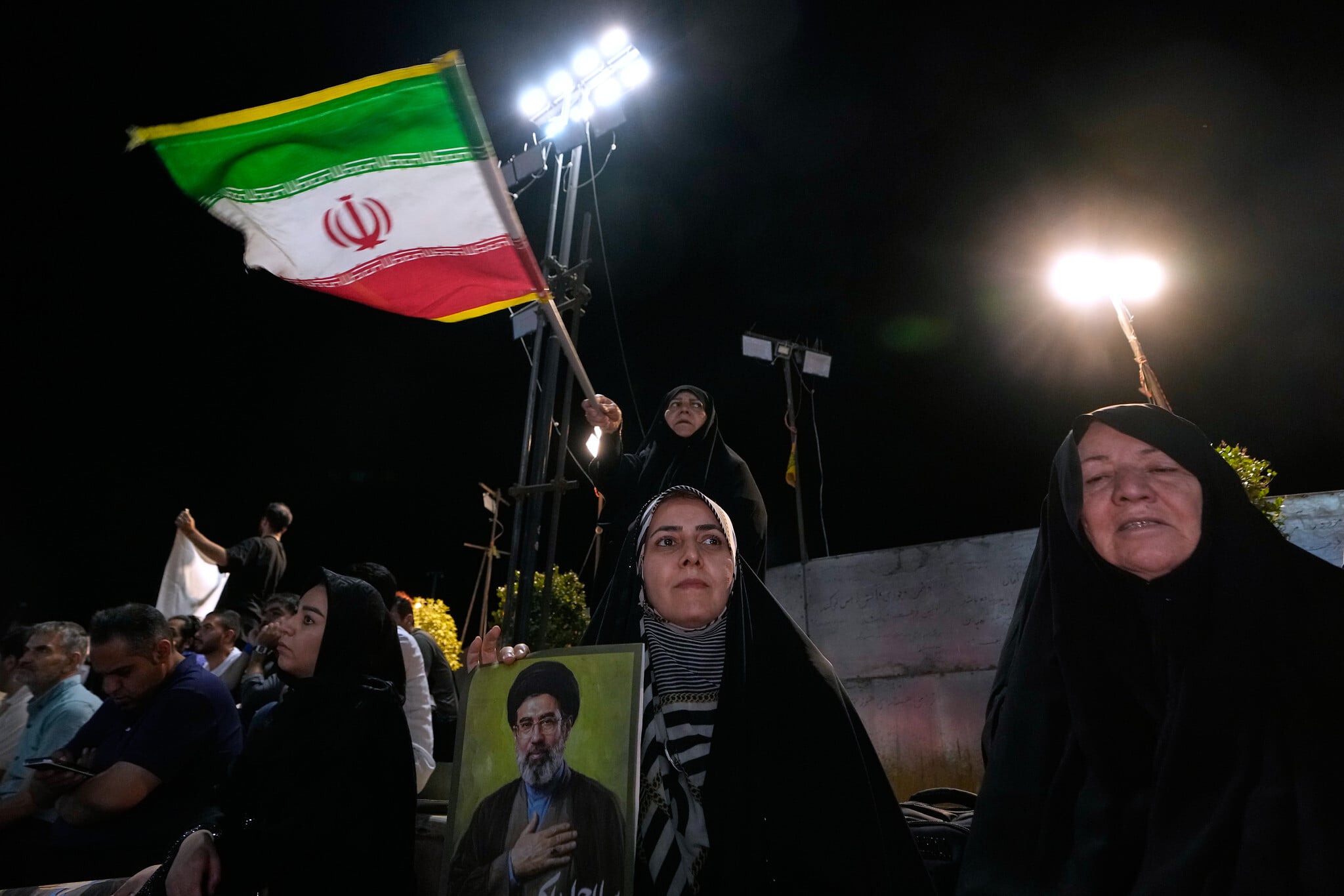
Khamenei in a pro-government gathering at Islamic Revolution Square in Tehran, Iran,
May 30, 2026.
Foreign Minister Abbas Araghchi struck a softer tone, telling state media on Sunday that talks and message exchanges with the US were ongoing, but added that “we should not give importance to speculation, and we cannot judge the talks until we get to a clear result.”
The New York Times and Axios reported on Saturday that Trump had sent back a “tougher” new framework to be considered by Iran, though details remain unclear.
Trump has said his priorities include stopping Iran from developing any nuclear weapon and reopening the Hormuz shipping lane, which Iran has blockaded since the war began.
“The one guarantee that I have to have is that there will be no nuclear weapons. They’ve agreed to that, and it was very interesting,” he told his daughter-in-law Lara Trump in an interview on her Fox News show.
Tehran, however, has previously cast doubt on Trump’s assertions, and the sides remain far apart on key issues.
According to Iran’s Tasnim news agency, exchanges on the text “are ongoing, with both parties regularly proposing amendments.”
“No agreement has yet been finalized, and it is possible that any agreement will be rejected,” it said.
Iran has said it needs the release of $12 billion in frozen assets before engaging in substantive talks on its nuclear program, dismissing earlier Trump comments that its enriched uranium stockpile would be destroyed as “baseless,” according to Iranian media.
Iran, which has vowed to destroy Israel, has a stockpile of more than 400 kilograms of uranium that has been enriched to a point that it is a short technical step from weapons-grade. Experts have said it is sufficient for 11 nuclear bombs if enriched to weapons-grade, in a process that could take mere weeks.
Tehran has long claimed that it is not seeking nuclear weapons, despite the fact that it has enriched uranium to a level that the UN atomic agency says has no civilian use.
BY: AGENCIES