- Tehran Reiterates Conditions on Strait of Hormuz, Sanctions and Regional Ceasefire During Meeting with Pakistan’s Army Chief Asim Munir
TEHRAN: Iran has informed Pakistan’s Army Chief, Field Marshal Asim Munir, that it will not engage in negotiations with the United States until Washington meets Tehran’s demands, according to Iranian media reports, underscoring the challenges facing Islamabad’s mediation efforts to ease tensions between the two countries.
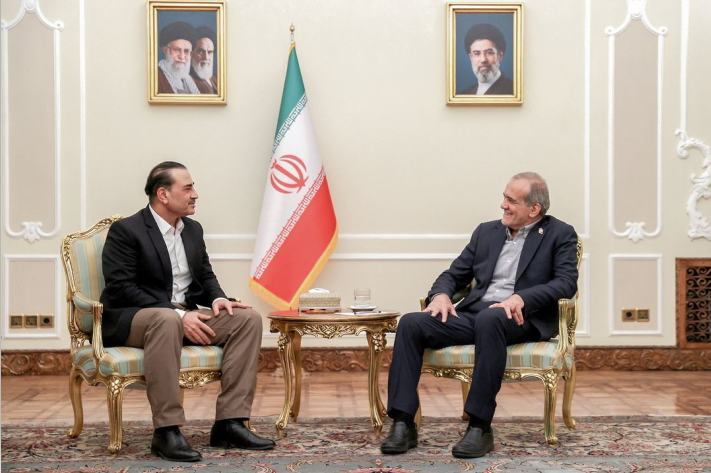
Iranian news agency Nour News reported that President Masoud Pezeshkian discussed regional developments and Pakistan’s mediation initiatives with Munir during a meeting in Tehran on Tuesday.
Pakistan has played a significant mediating role in efforts to reduce tensions between Washington and Tehran and facilitate a diplomatic resolution to the ongoing conflict.
Tehran Reaffirms Conditions for Renewed Negotiations
During a separate meeting with Iranian Parliament Speaker Mohammad Baqer Qalibaf, Munir was reportedly briefed on Tehran’s position regarding negotiations with Washington and the conditions Iran considers necessary for restoring confidence.
According to an Iranian statement, Qalibaf stressed that the United States would not regain Iran’s trust unless it addressed seven conditions proposed by Tehran last month in connection with reopening the Strait of Hormuz, a strategically vital waterway for global energy shipments.
Iran’s stated demands include an end to the US blockade of Iranian ports, the lifting of sanctions on Iranian oil exports, and the cessation of hostilities across all regional fronts.
The conditions represent major points of contention between the two countries and highlight the diplomatic obstacles confronting efforts to secure a lasting settlement.
Iranian Security Official Rules Out Talks Without Concessions
Mohsen Rezaei, Secretary-General of Iran’s Supreme National Security Council, conveyed a similar message during a separate meeting with Munir, stating that Tehran would not enter negotiations with Washington until its demands were met.
Rezaei also reiterated Iran’s position on its nuclear programme, saying that enriched nuclear material would remain inside the country. His remarks reflected Tehran’s opposition to transferring its enriched uranium stockpile abroad, in line with the position attributed to Supreme Leader Ayatollah Mojtaba Khamenei.
The nuclear issue remains one of the central obstacles to a broader agreement between Iran and the United States.
Washington Demands Restrictions on Iran’s Nuclear Programme
US Vice President JD Vance said earlier this month that Iran would need to substantially reduce its uranium enrichment capacity to meet Washington’s demands and help bring the eight-month conflict to an end.
The United States, Israel and several other Western countries have repeatedly expressed concerns about Iran’s nuclear activities, particularly its enrichment of uranium to 60 per cent purity. That level is significantly higher than typically required for civilian nuclear applications, although it remains below the approximately 90 per cent enrichment generally associated with weapons-grade uranium.
Iran has consistently denied seeking to develop nuclear weapons, maintaining that its nuclear programme serves peaceful purposes.
Pakistan’s Mediation Faces a Difficult Diplomatic Test
The latest developments highlight the difficulties confronting Pakistan as it seeks to bridge the differences between Washington and Tehran.
Earlier mediation efforts reportedly resulted in a temporary peace agreement in June. However, the arrangement, described in the report as the “Islamabad memorandum,” subsequently faltered as fighting between Iran and the United States resumed within weeks.
Munir’s meetings with Iran’s senior political and security leadership underscore the importance of continued diplomatic engagement at a time when disagreements over sanctions, maritime access, regional hostilities and nuclear enrichment remain unresolved.
Whether Pakistan’s mediation can help bring the two sides back to the negotiating table will depend largely on their willingness to address these competing demands and pursue a sustainable diplomatic settlement.
BY: The Times Union – REUTERS