- Washington Says Operations Targeted Iranian Military Threats Amid Fragile Regional Ceasefire
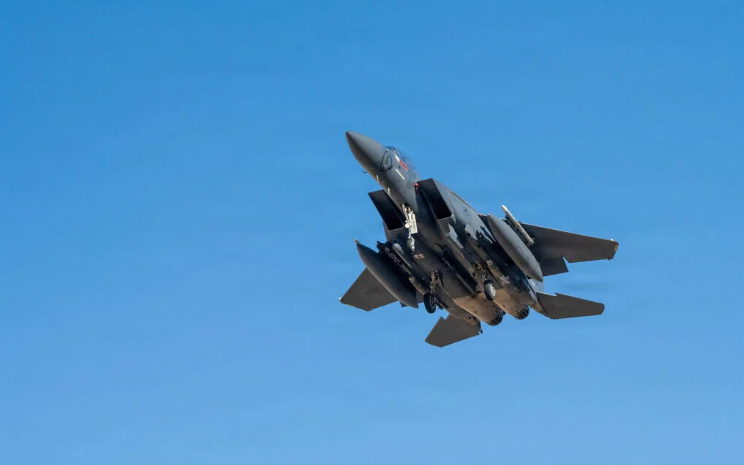
DUBAI/WASHINGTON — United States forces carried out fresh military strikes in southern Iran on Monday, targeting missile launch sites and boats allegedly attempting to deploy naval mines, in what Washington described as defensive operations aimed at protecting American troops and regional stability.
The strikes came at a critical moment as senior Iranian officials, including Tehran’s lead negotiator and Foreign Minister Abbas Araghchi, were engaged in talks in Doha with Qatari Prime Minister Mohammed bin Abdulrahman Al Thani over a possible agreement with the United States to end the three-month conflict.
Rubio Says Diplomacy Still Has a Chance
Speaking in New Delhi earlier on Monday, US Secretary of State Marco Rubio said Washington remained committed to pursuing diplomacy before considering further escalation.
“There is a pretty solid proposal on the table,” Rubio said, referring to efforts to reopen the Strait of Hormuz and launch “a very real, significant, time-limited negotiation” focused on Iran’s nuclear program.
He stressed that the United States would give diplomatic efforts “every chance to succeed” before deciding whether to confront Iran “another way.”
Trump Warns Iran of Fresh Attacks if Talks Collapse
US President Donald Trump said in a lengthy post on Truth Social that negotiations with Tehran were progressing positively but warned that military action could intensify if diplomacy failed.
“It will only be a Great Deal for all, or no Deal at all,” Trump wrote.
Hours later, US Central Command confirmed new military strikes aimed at countering what it described as threats from Iranian forces.
“US Central Command continues to defend our forces while using restraint during the ongoing ceasefire,” said Navy Captain Tim Hawkins, spokesperson for Central Command.
Iran Claims It Downed ‘Hostile’ Stealth Drone
Amid rising tensions, Iranian state media reported that Iran had successfully intercepted and destroyed a “hostile” stealth drone using a newly developed air defense system.
According to Iran’s Fars News Agency, unnamed officials described the operation as proof that “no more stealth drones can penetrate the skies of the Arabian Gulf.”
Iranian authorities did not specify the origin of the drone.
Israel Expands Operations Against Hezbollah in Lebanon
Regional tensions escalated further after Israeli Prime Minister Benjamin Netanyahu announced that Israel would intensify strikes against the Iran-backed Hezbollah movement in Lebanon.
Shortly afterward, the Israeli military said it had launched attacks on Hezbollah infrastructure in Lebanon’s eastern Bekaa Valley and other areas.
Although Israel and Lebanon agreed to a ceasefire in April, Israeli forces have continued conducting airstrikes, describing them as defensive measures against Hezbollah activities.
Doha Talks Focus on Strait of Hormuz and Iran’s Uranium Stockpile
According to an official briefed on the Doha discussions, negotiations centered on two major issues: the future management of the Strait of Hormuz and Iran’s stockpile of highly enriched uranium.
Iran’s central bank governor was also reportedly present to discuss the potential release of frozen Iranian financial assets as part of a broader agreement.
Iranian Foreign Ministry spokesperson Esmaeil Baghaei stated that detailed nuclear negotiations would only proceed after a broader framework accord is finalized.
Trump has repeatedly said the central objective of US policy is to prevent Iran from developing a nuclear weapon. Tehran continues to deny accusations that it seeks nuclear arms capability.
Trump Pushes Expansion of Abraham Accords
In the same Truth Social post, Trump also urged additional Arab and Muslim-majority countries to join the Abraham Accords, the US-brokered agreements aimed at normalizing relations with Israel.
Trump called on Saudi Arabia and Qatar to sign the accords immediately and suggested that Pakistan, Egypt, Jordan, and Türkiye should follow.
The proposal drew mixed reactions from regional analysts and officials.
A Pakistani source familiar with the matter said efforts to link the Iran negotiations with the Abraham Accords were “not interlinked and cannot be made so.”
Meanwhile, Ali Vaez said Trump appeared to be presenting an Iran agreement as a broader regional realignment strategy favorable to Israel and Washington.
“Trump is trying to sell an Iran deal as an Abraham Accords sequel,” Vaez said, warning that expectations surrounding a wider Middle East transformation may be unrealistic.
Strait of Hormuz Remains Key Sticking Point in Negotiations
Baghaei said discussions over the Strait of Hormuz did not include any proposal for Iran to impose tolls on commercial shipping, though Tehran could charge for maritime services such as navigation assistance and environmental protection under a future agreement with Oman.
The strategic waterway, through which roughly one-fifth of global oil and liquefied natural gas supplies normally transit, has become a central focus of international concern since the conflict escalated earlier this year.
Japan’s Nikkei newspaper, citing a Middle Eastern diplomatic source, reported that Washington and Tehran were discussing a phased reopening of the strait approximately 30 days after a ceasefire agreement.
Under the reported proposal, Iran would remove naval mines during a one-month transition period before normal commercial traffic resumes.
Oil Prices Fall Amid Hopes for Diplomatic Breakthrough
The conflict has significantly disrupted maritime traffic through the Strait of Hormuz, reducing vessel movements from an average of 125–140 ships per day before the conflict to only a few dozen currently.
Iranian state television reported that 32 vessels and five oil tankers passed through the strait during the past 24 hours under the supervision of Iran’s Revolutionary Guards naval forces.
The prolonged standoff has fueled global concerns over energy supplies, pushing up the prices of oil, fuel, fertilizer, and food products in recent months.
However, oil prices fell more than four percent on Monday to their lowest levels in two weeks, amid growing optimism that a diplomatic agreement between Washington and Tehran could soon be reached.
BY: The Times Union