- Proposed 60-Day Deal Aims to Restore Maritime Traffic and Ease Gulf Tensions
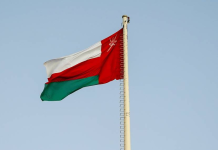
WASHINGTON: The United States is preparing to announce an interim agreement with Iran and Oman on Wednesday aimed at reopening the strategically vital Strait of Hormuz, according to a report by Axios citing officials familiar with the negotiations.
Temporary Maritime Arrangement
The proposed agreement is expected to establish a 60-day framework allowing commercial vessels bound for the Persian Gulf to transit through Iranian territorial waters, while outbound traffic would pass through Omani waters in coordination with Tehran. The arrangement is intended to restore safe navigation through one of the world’s busiest energy shipping routes amid heightened regional tensions.
According to the report, the agreement does not include any transit fees for vessels using the designated shipping corridors.
Extension Possible Beyond Initial Period
Sources indicated that the interim arrangement could be extended beyond the initial 60-day period if all parties consider the mechanism effective in maintaining the uninterrupted flow of international maritime traffic.
Diplomatic Progress Amid Military Pressure
The report stated that Iranian authorities completed their internal approval process for the proposed agreement on Tuesday, paving the way for a formal announcement.
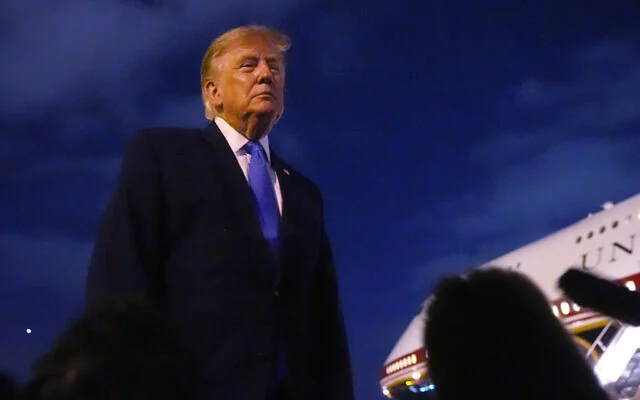
However, Axios also reported that the United States continues to maintain military contingency plans should negotiations fail. According to sources within the US administration, Washington is prepared to consider large-scale military strikes against targets in Iran if a diplomatic understanding cannot be sustained.
The reported agreement represents a significant diplomatic effort to reduce tensions in the Gulf and safeguard global energy supply routes through the Strait of Hormuz, a critical maritime chokepoint for international oil and gas shipments.
BY: The Times Union