- US President Says Military Options Remain Available but Suggests Further Action May Not Be Necessary
WASHINGTON: US President Donald Trump has expressed satisfaction with the current state of affairs concerning Iran, indicating that Washington does not intend to launch military strikes in the immediate future, while maintaining that US forces remain prepared to act if necessary.
In an interview with the Financial Times, Trump said the United States appeared to be achieving its objectives regarding Iran, suggesting that further military action might not be required under the present circumstances.
“We seem to be getting everything we want,” Trump said, signalling that Washington was satisfied with the current trajectory of developments.
Trump Keeps Military Options Open
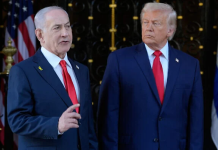
Responding to questions about strong indications from Israeli Prime Minister Benjamin Netanyahu that an attack could take place later this week, Trump reiterated that the United States remained prepared for possible military action.
“I’m ready, we’re ready. We’re locked and loaded if we need to go, but there may be no reason for it,” he said.
His remarks reflected a dual-track approach: expressing a preference for the current situation to continue without further strikes while keeping military options available should circumstances change.
Regional Tensions and Diplomatic Uncertainty Persist
Trump’s comments come amid continued uncertainty over the regional situation and the possibility of further military escalation involving Iran and Israel.
Although the US president indicated that immediate strikes were not planned, his warning that American forces remained ready to act left open the possibility of a change in Washington’s position.
The remarks underscore the delicate balance between military preparedness and the prospect of avoiding further escalation, as regional and international stakeholders continue to monitor developments closely.
BY: The Times Union