- Senior diplomats and regional experts urge a phased approach to de-escalation, credible implementation of the Islamabad framework and negotiations addressing nuclear concerns, maritime security, sanctions and regional stability.
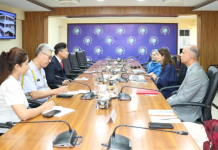
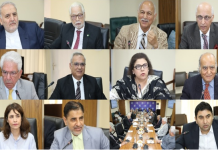
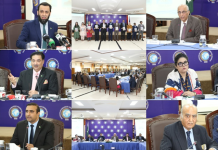
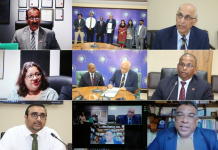
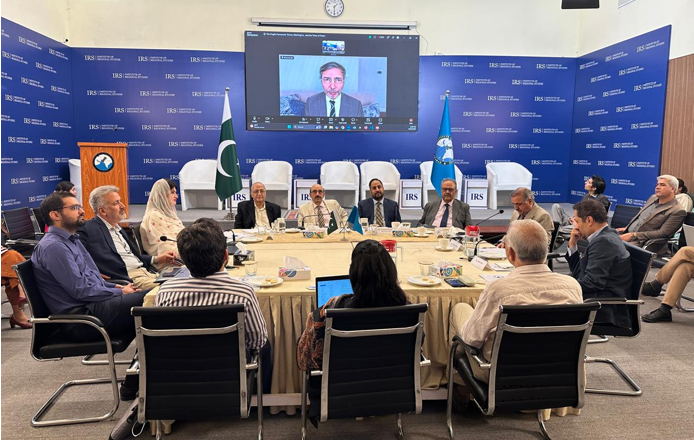
SLAMABAD — The Institute of Regional Studies (IRS) in Islamabad convened a high-level discussion titled “The Fragile Framework: Tehran, Washington, and the Terms of Peace,” bringing together senior diplomats and regional experts to examine prospects for de-escalation between Iran and the United States, the Islamabad framework and Pakistan’s potential role in advancing regional peace and stability.
Participants examined the humanitarian, economic and security consequences of the ongoing conflict, particularly its implications for energy supplies, maritime commerce, regional connectivity and economic stability. They emphasized that any ceasefire should be followed by sustained diplomatic engagement, credible implementation mechanisms and a political process that addresses the underlying causes of tensions.
Ambassador Jauhar Saleem, president of the IRS, said the confrontation reflected deeper competing interests over the regional order and should not be viewed solely as a military conflict. He described the Islamabad framework as a potential diplomatic road map that remained relevant, while stressing that a durable settlement would require the principal parties to address the broader strategic issues underlying the dispute; particularly the nuclear issue.
The discussion underscored the importance of regional security over bloc politics and confidence-building over maximalist positions. Participants said Pakistan’s interests were best served by a stable regional environment conducive to peaceful coexistence, trade, energy security and connectivity. They recommended that Islamabad work with relevant regional partners to support a sustainable diplomatic process.
Ambassador Sardar Masood Khan, Pakistan’s former ambassador to the UN & United States, and former president of Azad Jammu and Kashmir, emphasized the importance of continued constructive engagement by Pakistan. Acknowledging the increasingly complex mediation landscape and the contributions of other regional actors, he called for Pakistan to institutionalize its mediation experience and strengthen its national capacity for peacemaking.
Ambassador Ali Sarwar Naqvi, executive director of the Center for International Strategic Studies (CISS) in Islamabad, highlighted Pakistan’s distinctive diplomatic position, rooted in its longstanding relations with Iran and constructive ties with the United States and other major powers. He said the Islamabad Memorandum of Understanding could provide a foundation for renewed negotiations, provided the principal parties demonstrated the necessary political will and established a sustained mechanism to address nuclear issues, maritime concerns, sanctions and economic matters.
Ambassador Asif Durrani, Pakistan’s former special representative for Afghanistan, proposed a phased approach to de-escalation. The initial phase, he said, should focus on ending hostilities and restoring maritime commerce. Subsequent steps could include calibrated sanctions relief, access to frozen assets and the establishment of a verifiable nuclear arrangement. A later phase, he added, should address broader regional security, maritime safety and economic normalization, with Pakistan serving as a facilitator, confidence-builder and interlocutor.
Maj Gen (Retd.) Zahid Mahmood, Principal of the NUST Institute of Peace and Conflict Studies in Islamabad, cautioned that the conflict lacks a defined political resolution and may precipitate interconnected regional crises involving Yemen, Saudi Arabia, and Pakistan. He underscored the importance of engaging ideological hardliners and key regional stakeholders, and highlighted Islamabad’s potential to facilitate a diplomatic solution aimed at achieving sustainable and positive peace, rather than a temporary ceasefire.
Ambassador Naela Chohan, highlighted the complexity of Iran’s political and strategic calculations, including its concerns over sanctions, sovereignty and territorial integrity. She said a realistic diplomatic process would need to account for these considerations while remaining attentive to the wider regional consequences of a prolonged conflict.
Ambassador Saeed Khalid drew attention to the broader international and economic consequences of prolonged instability, particularly for developing countries and vulnerable economies. He stressed the importance of Pakistan preparing for potential effects on inflation, energy security, financial stability and economic growth.
The discussion reinforced the view that a lasting settlement would require more than a cessation of hostilities. Sustained negotiations, credible implementation mechanisms and a willingness to address the underlying strategic concerns of the parties would be essential to advancing regional stability and protecting the economic and security interests of countries across the region.
BY: The Times Union