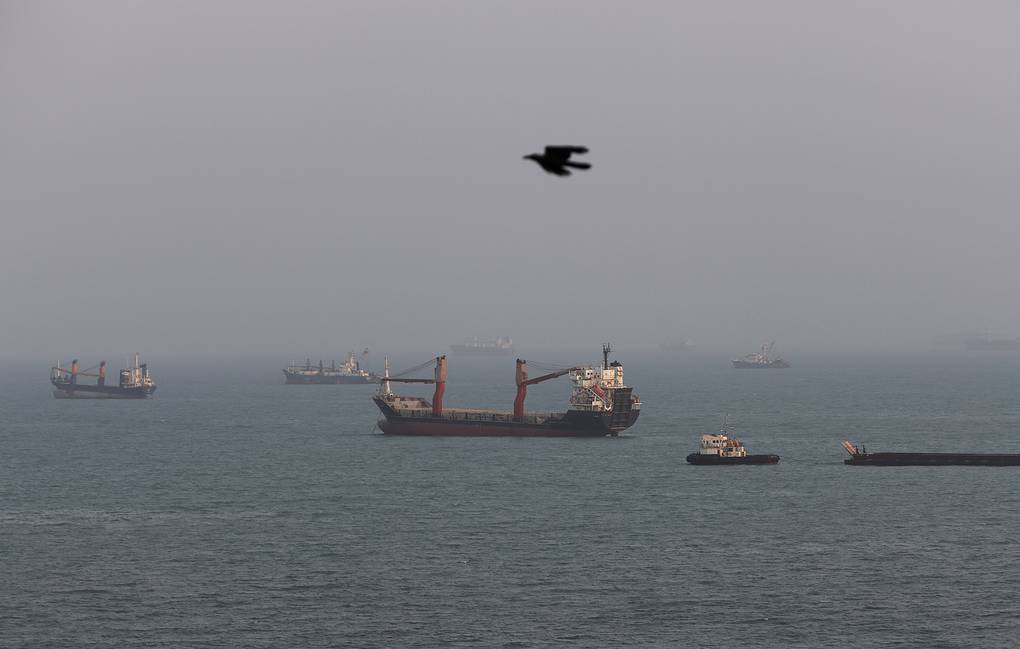
- According to the media, the movement of such vessels carries the risk of attacks
NEW YORK: Oil-exporting countries are reportedly continuing to move fossil fuels covertly through the Strait of Hormuz, helping to ease pressure on global energy prices despite ongoing conflict in the Middle East, Bloomberg reported.
According to the news agency, oil tankers carrying crude and petroleum products from the United Arab Emirates, Qatar and Kuwait have been transiting the strategic waterway with their tracking transponders switched off for several months. The practice has made it difficult to determine the precise volume of oil moving through the strait, although Bloomberg reported that the actual figure could be significantly higher than the roughly four million barrels per day currently estimated by the market.
The clandestine movement of tankers, however, carries considerable security risks, particularly amid heightened regional tensions and the threat of attacks on commercial shipping.
Bloomberg reported that 23 vessels belonging to the Abu Dhabi National Oil Company (ADNOC) have come under attack since the conflict began, resulting in one fatality and 20 injuries.
Alternative Supply Routes Ease Market Pressure
The continued movement of oil through the Strait of Hormuz, together with increased use of alternative pipeline routes and the release of national strategic oil reserves, is helping to cushion the economic impact of the conflict and limit further increases in global energy prices, Bloomberg said.
Earlier this month, US Energy Secretary Chris Wright said that an estimated eight to nine million barrels of oil were still being transported through the Strait of Hormuz each day.
Meanwhile, The Wall Street Journal, citing satellite data, reported that an average of 26 vessels crossed the strait daily in July—approximately five times fewer than the average level recorded before the conflict began.
The developments underscore the continuing importance of the Strait of Hormuz, through which a substantial share of the world’s energy supplies traditionally passes, and highlight the growing security and economic risks surrounding one of the world’s most strategically vital maritime corridors.
BY: The Times Union