- Tokyo to Support Middle East Pipelines Bypassing Strait of Hormuz
TOKYO: Japan plans to support efforts to develop alternative oil pipelines in the Middle East as part of a broader strategy to strengthen energy security following the war with Iran, Japanese media reported Wednesday.
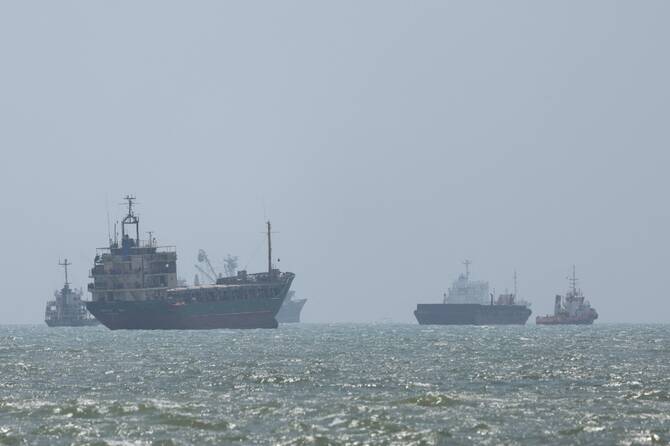
The world’s fourth-largest economy had been heavily dependent on crude oil shipments passing through the Strait of Hormuz before the conflict began in February. The strategically vital waterway has since faced severe disruptions, threatening energy supplies to major Asian economies.
According to the Nikkei newspaper, Japan will support initiatives led by Saudi Arabia and other regional countries to expand existing crude oil pipelines and develop new routes that bypass the Strait of Hormuz.
Japan Taps Oil Reserves and Diversifies Imports
Tokyo has already released oil from its strategic reserves to help address supply disruptions and has increased crude imports from alternative sources, including the United States.
The measures are part of Japan’s efforts to reduce its vulnerability to disruptions along key global energy routes.
Government Considers Special Reserve for Naphtha
The Japanese government is also expected to introduce additional measures to safeguard industrial energy supplies.
Broadcaster NHK reported that officials are considering the creation of a dedicated crude oil reserve intended to support the production of naphtha, a petroleum by-product widely used across a range of industries.
The initiative is expected to be discussed at a government meeting later Wednesday.
Tokyo Seeks Greater Use of Nuclear and Renewable Energy
The government is also expected to call for the “maximizing the use of nuclear power,” NHK reported, as Japan seeks to reduce its dependence on imported fossil fuels.
Tokyo is additionally expected to provide support for next-generation perovskite solar cells as part of efforts to expand domestic renewable energy capacity.
Rising Power Demand Adds Pressure
Japan has been working to revive its nuclear power industry more than a decade after the 2011 Fukushima disaster.
The push has gained further momentum as the country anticipates rising electricity demand, partly driven by the rapid expansion of artificial intelligence and data centers.
The latest measures reflect Japan’s broader effort to diversify energy supplies, strengthen domestic power generation and reduce exposure to disruptions in major international energy corridors.
BY: The Times Union