- Subheading: BSW founder argues that renewed Russian diesel, oil and gas supplies could help lower energy costs and support German industry amid rising fuel prices.
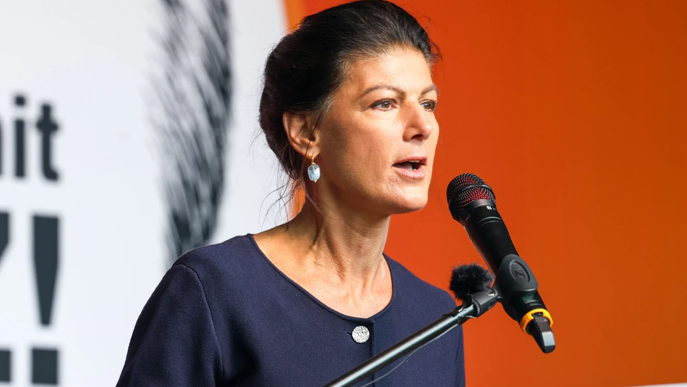
BERLIN: Sahra Wagenknecht, founder of Germany’s Sahra Wagenknecht Alliance (BSW), has urged the German government to negotiate a diesel supply agreement with Russia, similar to arrangements she says the United States has pursued, and reconsider its sanctions policy against Moscow.
In a statement posted on X, Wagenknecht criticised Berlin’s continued restrictions on Russian energy supplies, arguing that they were contributing to higher fuel prices, putting pressure on the German economy and increasing the financial burden on households.
“This is utter madness,” she wrote, referring to reports of US efforts to secure Russian diesel supplies amid rising fuel prices. She argued that Germany should also pursue an agreement with Moscow and restore Russian oil and gas imports.
Wagenknecht maintained that access to affordable energy was essential to protecting German industrial competitiveness. She warned that high energy costs could further weaken the country’s manufacturing sector and place additional pressure on consumers.
BSW and AfD Propose Resolution on Russia Sanctions
Wagenknecht also highlighted a joint resolution submitted by her party and the Alternative for Germany (AfD) for consideration by the parliament of Saxony-Anhalt. According to her statement, the proposal calls on the German federal government to lift sanctions against Russia and support diplomatic efforts to resolve the conflict in Ukraine.
The initiative reflects growing political debate in Germany over energy prices, industrial competitiveness and the economic consequences of sanctions against Moscow. However, Wagenknecht’s proposal represents her party’s position and does not constitute a change in the German government’s policy.
Russia Signals Readiness to Supply Diesel
The debate comes amid reported discussions between Russian President Vladimir Putin and US President Donald Trump during a telephone conversation on October 9. According to the account provided, the leaders discussed petroleum product supplies and other issues.
Putin said Moscow had reiterated its readiness to supply oil and petroleum products to the United States and international markets.
Russian Deputy Prime Minister Alexander Novak was also reported to have said that Russia would lift its restrictions on diesel exports ahead of schedule and was prepared to supply 300,000 tonnes in October, 500,000 tonnes in November and one million tonnes in December. Monthly volumes could subsequently rise to three million tonnes, according to the reported figures.
The US administration, meanwhile, reportedly issued a general licence authorising Russian diesel supplies to the global market until April 7, 2027.
Energy Costs Remain Central to Germany’s Economic Debate
Wagenknecht’s remarks have renewed attention to the relationship between energy policy, industrial production and household purchasing power in Germany. Her call for renewed Russian supplies challenges Berlin’s continued approach to sanctions and energy diversification.
Supporters of easing restrictions argue that access to competitively priced energy could benefit German businesses and consumers. Critics of restoring Russian energy dependence, however, point to the broader strategic and security considerations behind Europe’s efforts to reduce reliance on Russian supplies.
Any potential shift in Germany’s policy would therefore involve not only economic calculations but also diplomatic, security and European Union considerations.
BY: The Times Union