- Deputy Secretary of State Christopher Landau Says Washington and Rabat Share Vision for Development and Stronger Cooperation
- US-Morocco Relations Described as Being at an “All-Time High” Amid Renewed Diplomatic Efforts to Resolve Longstanding Dispute
NEW YORK: The United States has reaffirmed its commitment to the development of the Sahara region under Moroccan sovereignty, with US Deputy Secretary of State Christopher Landau highlighting Washington’s close partnership with Rabat and calling for renewed efforts to resolve the longstanding regional dispute.
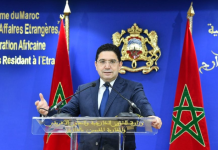
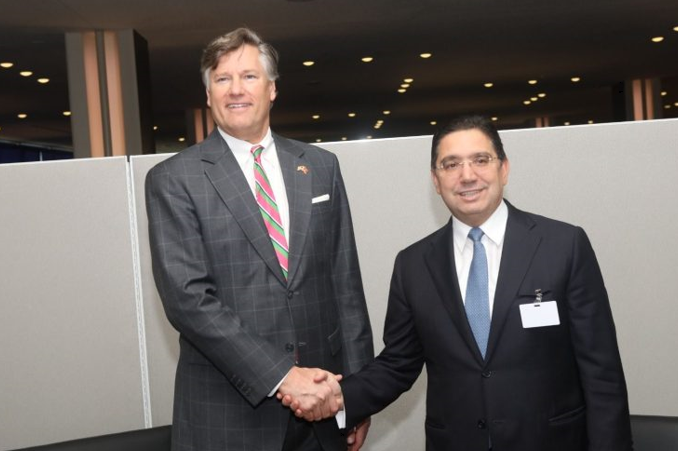
Landau made the remarks on Friday following talks with Morocco’s Foreign Minister Nasser Bourita on the sidelines of the 81st session of the United Nations General Assembly in New York.
The senior US official said Washington and Rabat had reaffirmed their “centuries-old friendship” as well as a shared vision for the development of the Sahara and enhanced cooperation under Moroccan sovereignty over the territory.
Washington Calls for End to Longstanding Dispute
Landau said the United States looks forward to working with Morocco and other relevant stakeholders to bring the dispute to a definitive resolution.
The dispute has continued for more than five decades, he noted, adding that “this status quo cannot be maintained.”
Landau also reaffirmed the strength of US-Morocco relations, saying the longstanding friendship between Washington and Rabat would continue and describing bilateral ties as being at their strongest level ever.
Bourita Holds Further Talks with US Officials
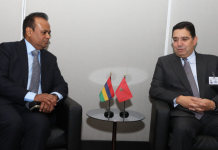
Landau’s meeting with Bourita followed discussions earlier in the week between the Moroccan foreign minister and Massad Boulos, US President Donald Trump’s special adviser for Arab and African affairs.
The talks focused on the longstanding US-Morocco partnership and shared regional priorities, with Washington reiterating its interest in strengthening cooperation to promote peace, security and prosperity across the region.
The diplomatic contacts come ahead of the UN Security Council’s expected consideration of the mandate of the UN Mission for the Referendum in Western Sahara (MINURSO), which is currently set to expire on October 31, 2026. Security Council Resolution 2797, adopted on October 31, 2025, extended the MINURSO mandate to that date and called for negotiations taking Morocco’s Autonomy Proposal as a basis.
US Policy on Western Sahara
Washington’s recognition of Moroccan sovereignty over the territory dates to December 2020, when the Trump administration announced its position and endorsed Morocco’s 2007 Autonomy Proposal as the basis for a negotiated settlement.
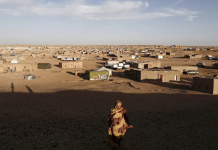
The US position has subsequently been reaffirmed by senior American officials. In April 2026, Landau again stated that the United States recognizes Moroccan sovereignty over the Sahara, while Washington has also encouraged American investment in Morocco’s southern provinces. The latest US emphasis on development comes as Morocco continues to promote major infrastructure and investment projects in its southern provinces, including transport, renewable energy, desalination and the Dakhla Atlantic Port.
The development agenda has increasingly become part of Morocco’s broader diplomatic and economic engagement concerning the Sahara, with Rabat seeking to attract international investment and strengthen connectivity between the southern provinces, West Africa and international markets. While Washington has clearly articulated its position, the UN framework continues to call for a political solution that is just, lasting and mutually acceptable and consistent with the UN Charter and the principle of self-determination.
Resolution 2797 calls on the parties to engage in negotiations without preconditions, taking Morocco’s Autonomy Proposal as a basis, while recognizing that genuine autonomy could represent a feasible outcome. The resolution was adopted by the Security Council with 11 votes in favour, none against and three abstentions; Algeria did not participate in the vote.
Landau’s latest remarks underline Washington’s continued emphasis on Moroccan sovereignty, economic development and a negotiated political process as the United States and Morocco deepen their longstanding strategic partnership.
BY: The Times Union