- Washington Says Shipping Routes to Remain Open Under New Agreement
WASHINGTON: The United States said Monday that commercial vessels will be allowed to pass through the Strait of Hormuz without tolls under a newly signed peace framework with Iran, while stressing that Tehran must fulfill its commitments before receiving any economic benefits.
US officials said the agreement could eventually pave the way for major economic support measures, including a proposed $300 billion reconstruction fund for Iran. However, they emphasized that any financial assistance or sanctions relief would be dependent on Iran’s performance in implementing the deal.
A senior Trump administration official told reporters that the release of funds would be “tied to performance” and would only move forward after Tehran meets its obligations.
Trump, Vance and Iranian Official Sign Memorandum
President Donald Trump, US Vice President JD Vance and Iranian parliament speaker Mohammad Bagher Qalibaf electronically signed the memorandum of understanding (MoU) on Sunday, according to US officials.
“The president wanted to sign it personally because he wanted to show his dedication to the process,” a US official said.
However, Vice President Vance acknowledged that the initial agreement leaves some of the most difficult issues unresolved, particularly Iran’s nuclear program.
“The MoU is about a page and a half, so it is a very general document,” Vance said in an interview with CNN.
He later added that international nuclear inspectors would be allowed to return to Iran to assist with the dismantling of enriched uranium stockpiles.
Vance is expected to lead technical negotiations this week and attend a formal signing ceremony in Geneva, Switzerland.
Strait of Hormuz Expected to Return to Normal Operations
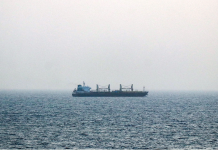
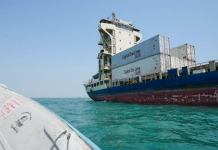
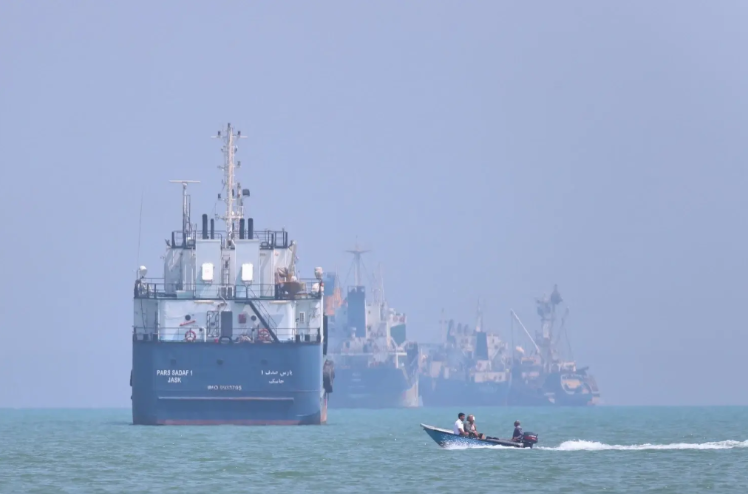
A key focus of the agreement is reopening the Strait of Hormuz, a vital global energy route that has faced disruptions during the conflict.
US officials said the agreement includes provisions for the waterway to reopen on a long-term basis without tolls. Technical discussions are expected to finalize details.
Trump said the strategic passage would be “completely open” from Friday, while noting that security operations, including mine clearance efforts, were still underway.
A US official said shipping traffic could return to pre-conflict levels within weeks, adding that vessel movement had already increased significantly.
Iran’s Foreign Ministry, however, clarified that the agreement would allow Tehran to collect maritime service fees from ships using the route, rather than imposing direct transit tolls.
Frozen Assets and Sanctions Relief Remain Conditional
Questions remain over Iran’s access to frozen assets and potential sanctions relief under the agreement.
US officials stressed that no frozen Iranian funds have yet been released.
“The very simple fact is zero dollars of frozen assets have been released by the United States or any other country,” one official said.
Officials said possible measures, including sanctions easing and the proposed reconstruction fund, would depend on Iran’s compliance with the terms of the agreement.
Vice President Vance also insisted that no US taxpayer money would be provided to Iran.
“They never get a dime,” Vance said, arguing that broader economic engagement could benefit both sides by bringing Iran back into international markets.
Nuclear Monitoring at the Center of Future Talks
The nuclear issue remains one of the most sensitive parts of the negotiations.
Vance said the agreement includes a role for the International Atomic Energy Agency (IAEA) and US experts in addressing Iran’s enriched uranium stockpile.
“One of the core parts of the agreement is that the IAEA and the United States are going to help Iran destroy the highly enriched stockpile,” he said.
The two sides are expected to use the coming 60-day period to negotiate a broader peace agreement covering nuclear issues, economic measures and regional stability.
BY: The Times Union