- Iran says no final decision made following latest US claim that accord is at hand; Netanyahu’s office calls deal an ’emerging MoU regarding entry into negotiations’ after he speaks with president
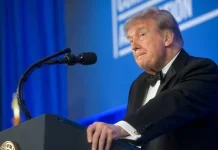
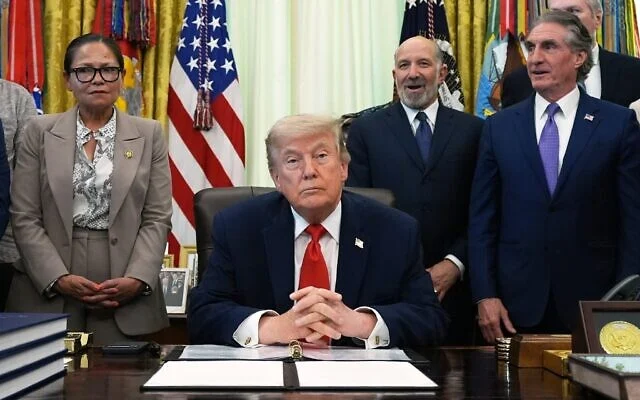
US President Donald Trump called off strikes on Iran Thursday evening, claiming an agreement to end the war had been reached and would be signed shortly.
He later said the document should “get done in the next few days,” possibly in time for a signing in Europe this weekend.
Trump has repeatedly claimed a deal with Iran was at hand or massive US strikes there were imminent, only for the talks to stall or the president to back out. He again backed out and declared a deal to be imminent on Thursday after Qatari mediators and Iranian negotiators reached what they considered an acceptable draft, according to Axios.
The US news site also reported that Prime Minister Benjamin Netanyahu was not given a heads-up before Trump’s announcement, which caught him off guard.
Writing on his Truth Social platform, Trump said: “Based on the fact that discussions with the Islamic Republic of Iran have been brought to the highest level of Iranian leadership and approved, I have, as president of the United States of America, cancelled the scheduled strikes and bombings against Iran this evening.”
“Discussions and final points have been, in both concept and great detail, approved by all parties involved, including the United States, Israel, Saudi Arabia, UAE, Qatar, Turkey, Pakistan, Bahrain, Kuwait, Jordan, Egypt and others,” he said.
But he added that the US blockade on Iran-linked shipping would “remain in full force and effect until this transaction is finalized” — indicating the deal has not been finalized.
“Time and place of the signing to be announced shortly,” Trump continued.
Following Trump’s comments, a senior Israeli official told Channel 12 news that Israel was not aware of a finalized deal.
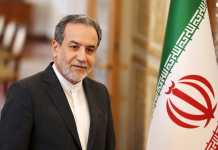
Meanwhile, Iran’s foreign ministry said Tehran had not yet made a final decision on a possible agreement with the US and would not compromise on its “red lines” in negotiations, according to the official IRNA news agency.
Ministry spokesman Esmaeil Baghaei said reports regarding a time and place for signing the agreement remained speculative and that nothing was finalized. He added that a large part of the negotiating text was finalized, but the US repeatedly changed its positions during the talks.
Nonetheless, Trump told reporters in the Oval Office that “We just made a great settlement of the war with Iran, subject to finalization of documents. It should get done in the next few days.”
“Maybe over the weekend. In Europe,” he said, adding that he could not attend but that his vice president, JD Vance, and top negotiators Steve Witkoff and Jared Kushner would attend.
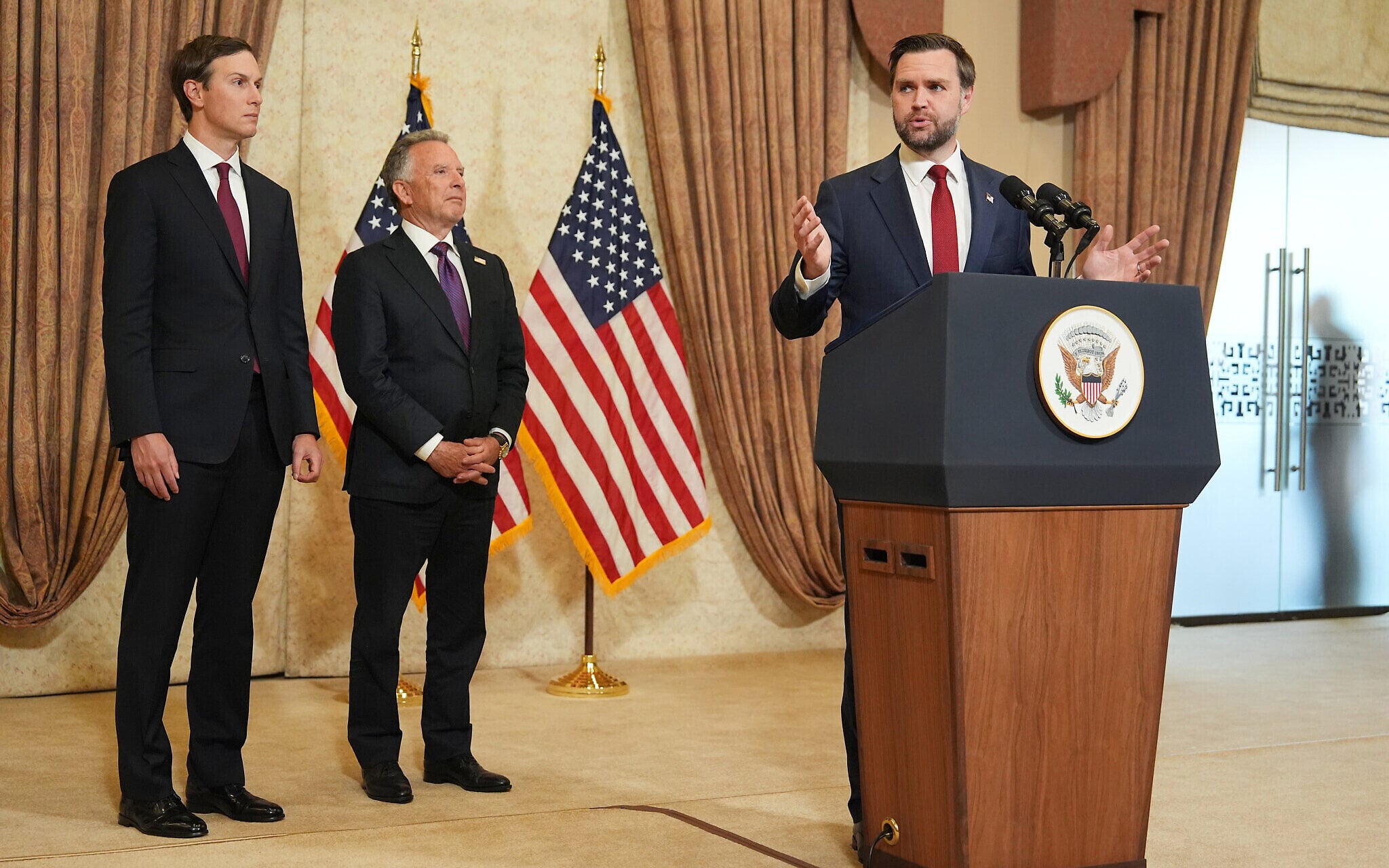
representatives from Pakistan and Iran as Jared Kushner, left, and Steve Witkoff, Special
Envoy for Peace Missions listen, on April 12, 2026, in Islamabad, Pakistan.
The deal would ensure Iran “will never have a nuclear weapon, which was the whole purpose of what we went through,” Trump claimed.
“The documents are in pretty final shape,” and the Iranians “want it as much as everyone else wants it,” Trump said. He added that he had just held phone calls with many leaders in the region, including Netanyahu.
The emerging agreement deals with Iran’s nuclear material only “conceptually,” Trump said in the briefing.
But he appeared unbothered by that, telling reporters “nobody has gotten close” to the material because it’s “buried under a mountain” after the US strikes on Tehran’s nuclear facilities in June of last year.
Asked how confident he was that the deal would actually be signed, given that he has repeatedly jumped the gun in the past, Trump responded that he was “pretty confident” the deal would be inked soon, “maybe over the weekend.”
He said the US would immediately lift its blockade of Iranian ports once the deal is reached.
Trump also said he believed that Iranian supreme leader, Ayatollah Mojtaba Khamenei, personally approved the deal. “I understand the answer is yes,” he said when asked if Khamenei gave the nod.
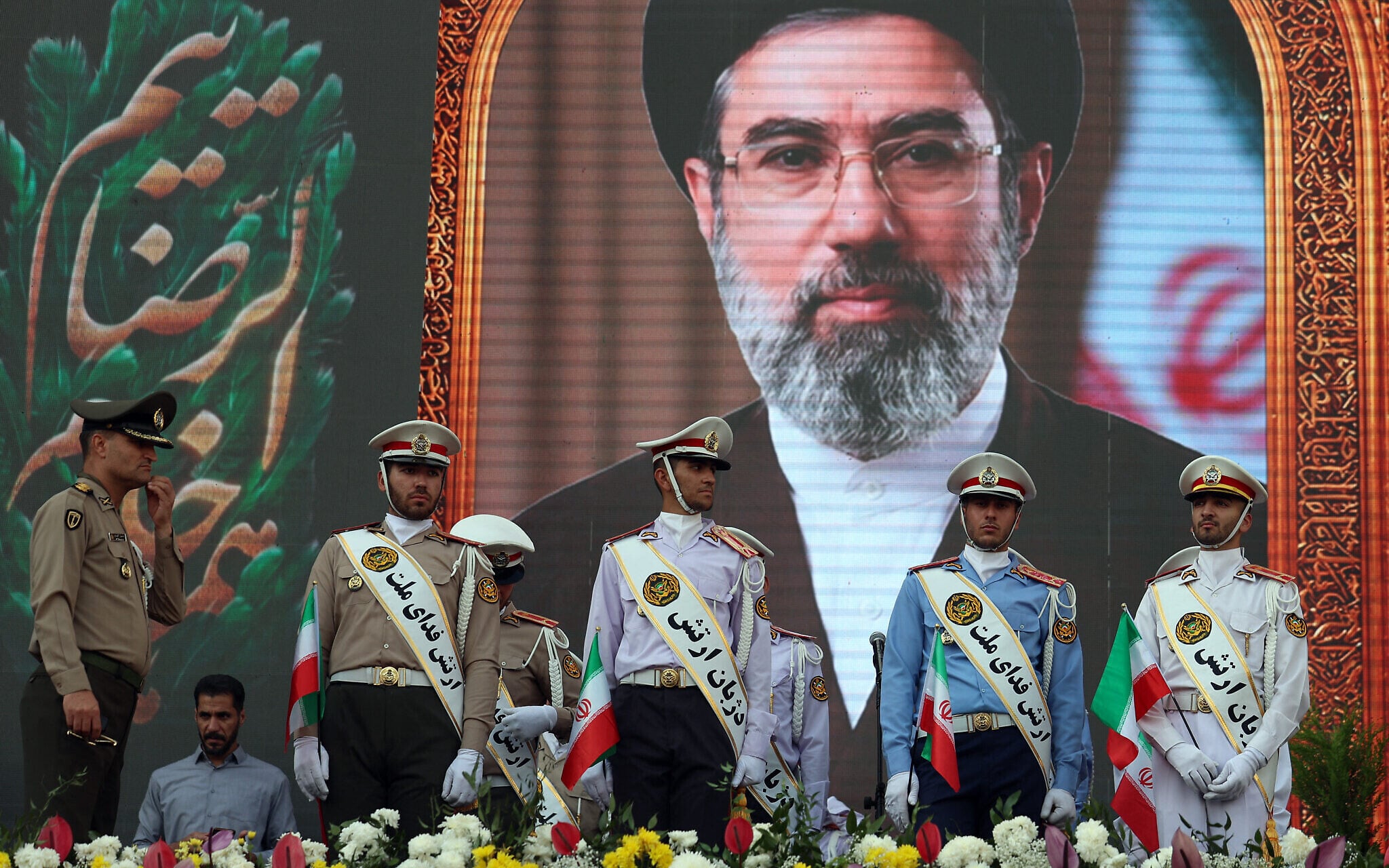
Khamenei during a pro-regime rally in Tehran, Iran, on April 29, 2026.
Pressed on whether Iran could again be stringing the US along, as he claimed it was doing on Wednesday, Trump responded that he did not think that was the case this time, because the US hit Iran so hard, including in recent days.
He added that the brewing agreement will be a “great deal for Iran because they’ll be able to build up their country” — an ostensible reference to the sanctions relief that Tehran will enjoy if it complies with the terms of the deal.
“It’s a very strong MoU,” Trump said, adding that it could be signed on Saturday or Monday.
While the deal discussed envisions a 60-day ceasefire extension during which nuclear talks will be held, Trump declined to give such a timeline, saying he doesn’t want to be called out again for not adhering to it.
He said the Strait of Hormuz will be reopened as part of the deal, but then claimed the key waterway has been open for months, “and you just didn’t know about it,” referring to quiet US efforts to get oil shipments through the strait.
In a statement that sought to downplay the significance of the potential agreement, Netanyahu’s office confirmed the premier had spoken over the phone with Trump about “the emerging memorandum of understanding with Iran regarding entry into negotiations.”
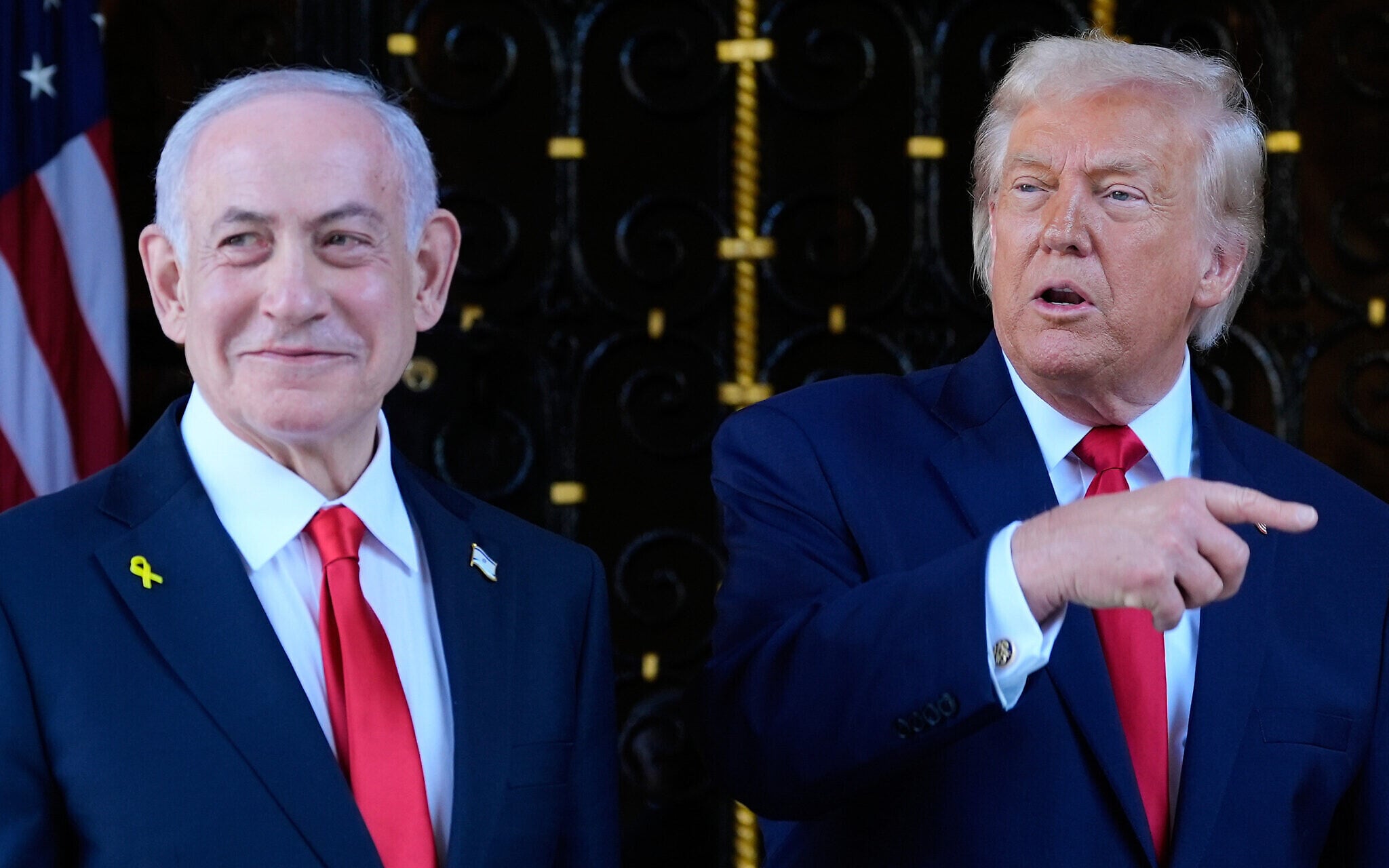
Netanyahu at his Mar-a-Lago club, December 29, 2025, in Palm Beach, Florida.
Netanyahu sounded off optimistically in the phone call, according to his office’s statement.
“Although Israel is not a party to the memorandum of understanding,” Netanyahu’s office said, “the prime minister expressed his appreciation for President Trump’s commitment that the final agreement reached at the conclusion of the negotiations will include the removal of enriched material, the dismantling of enrichment infrastructure, limitations on missile production, and the cessation of Iran’s support for its terrorist proxies in the region.”
In recent weeks, Trump has only talked about a deal on Iran’s nuclear program and the reopening of the Strait of Hormuz, and has moved away from demands on ballistic missiles or support for terrorism, both of which Iran has said it would not discuss.
Gaps said narrowed on frozen assets, Hormuz and nuclear talks
Citing three sources briefed on the talks, Axios reported Iranian officials had told several countries on Thursday that negotiations with Qatari mediators in Tehran on Wednesday had indeed produced an agreement, but it still needed Khamenei’s approval.
According to Axios, Qatari envoy Ali Al-Thawadi and Iranian Foreign Minister Abbas Araghchi managed during the talks on Wednesday to narrow the gaps on releasing Iranian assets frozen abroad, reopening the Strait of Hormuz, and broaching Iran’s nuclear program during the initial 60-day ceasefire in which the strait is supposed to reopen.
The sources cited by Axios said both Iranian and Qatari officials stressed Tehran had grown all the more suspicious of Trump after the US struck Iran for the second straight night early Thursday. Trump ordered the first strikes early Wednesday after accusing Iran of downing a US aircraft over the Strait of Hormuz.
Trump had also threatened on Thursday to strike Iran “very hard” and seize its oil production hub, Kharg Island. Following his reversal, the S&P 500 jumped 1.3%, the Dow Jones Industrial Average was up or 1.6%, and the Nasdaq composite was 1.8% higher as of 2 p.m. Eastern time.
Hopes that the oil shipments could return to the vital Strait of Hormuz sent the price for a barrel of benchmark US crude down 2.8% to $87.56.
Brent crude, the international standard, fell 3.5% to $89.84 per barrel, though it’s still above its roughly $70 price from before the war.
Iran closed the Strait and launched missiles and drone strikes across the region in response to the bombing campaign that the US and Israel launched on the Islamic Republic on February 28 in a bid to destabilize its regime and destroy its ballistic missile and nuclear programs.
The fighting entered a truce on April 8. The US and Iran have in recent weeks exchanged limited fire over the Strait of Hormuz, and Israel and Iran also exchanged fire for some 12 hours starting Sunday night after Israel targeted Iran’s proxy Hezbollah in Beirut.
BY: Jacob Magid and Lazar Berman