- Summit to Focus on Iran Conflict, Ukraine War and Global Economic Challenges
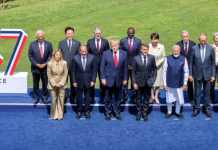
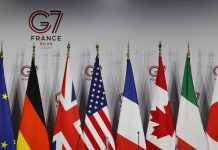
EVIAN-LES-BAINS: Leaders of the Group of Seven (G7) wealthy nations began their summit at a French lakeside resort on Monday, just days after the United States and Iran announced a preliminary agreement aimed at ending their long-running conflict.
The June 15-17 summit in Evian-les-Bains is expected to focus heavily on the next steps following the US-Iran understanding, while leaders also discuss the war in Ukraine, global economic imbalances and efforts to secure critical minerals from sources beyond China.
US President Donald Trump is scheduled to arrive on Monday for the gathering, with French officials welcoming his participation after he departed last year’s G7 summit in Canada before its conclusion.
Trump’s Foreign Policy Moves Raise Concerns Among Allies
Several G7 members have been directly affected by President Trump’s shifting policies on international affairs, including developments in the Middle East, global trade and diplomatic relations.
His decisions have prompted renewed debate among allies over Washington’s long-term role in the international system established after World War II.
During the summit, Trump is expected to hold meetings with Middle Eastern leaders and participate in a session with Ukrainian President Volodymyr Zelensky.
Ukraine War and Zelensky Meeting on Agenda
The planned meeting between Trump and Zelensky on Tuesday comes as Ukrainian forces face continued pressure from Russian advances, though the pace of Moscow’s gains has recently slowed.
Ukraine is seeking additional military assistance and financial support from its international partners.
Zelensky’s position has strengthened since his tense White House meeting with Trump last year, when the US president told him he had limited leverage in negotiations.
However, Ukrainian officials remain uncertain about the level of future American support as Trump focuses on securing a resolution to the Iran conflict.
US-Iran Agreement Becomes Key Summit Issue
G7 leaders are expected to seek details of the reported US-Iran agreement, with a memorandum of understanding scheduled to be formally signed later in Switzerland.
The exact terms of the deal have not yet been fully disclosed.
Trump said the Strait of Hormuz, a vital global energy shipping route that Iran had effectively closed during the conflict, would reopen and that Washington had ordered an end to its blockade of Iranian ports.
Iran’s Supreme National Security Council announced that military operations and hostilities across all fronts, including Lebanon, would permanently end from Monday night.
Iranian Deputy Foreign Minister Kazem Gharibabadi said broader negotiations would continue during a 60-day ceasefire period, including discussions on sanctions relief and Iran’s nuclear programme.
Regional Leaders Join G7 Discussions
The United Arab Emirates, which was heavily affected by the conflict, along with key mediators Qatar and Egypt, will also participate in the summit.
Their presence reflects growing regional involvement in efforts to stabilize the Middle East following months of tensions.
Macron Uses G7 Presidency to Push Global Economic Reform
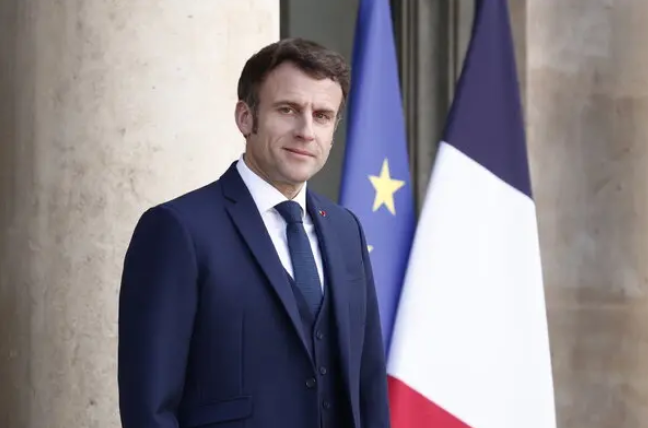
For French President Emmanuel Macron, the summit represents a major diplomatic moment before the end of his presidency next year.
Although Macron faces political challenges at home, he continues to play an influential role internationally and has secured a high-profile dinner with Trump at the Palace of Versailles.
France is using its G7 presidency to promote discussions on global economic imbalances ahead of Washington taking leadership roles in both the G20 and G7.
Paris has described the challenge as a shared global responsibility, arguing that China’s excess production, US consumption patterns and Europe’s investment gap must all be addressed.
Emerging Economies Invited for Wider Cooperation
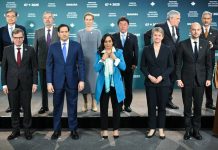
Brazil, India, Kenya and South Korea have been invited to join discussions at the summit, expanding the conversation beyond traditional G7 members.
Macron has also encouraged China to increase domestic consumption as part of broader efforts to rebalance the global economy.
BY: The Times Union