- Defence Minister David McGuinty Reaffirms Strong Bilateral Military Ties Amid Reports of New Washington Restrictions
- Ottawa Seeks Greater Defence Independence While Strengthening NORAD and Arctic Security
HALIFAX, Nova Scotia: Canadian Defence Minister David McGuinty has said that military cooperation between Canada and the United States remains unchanged, despite media reports that the Pentagon has issued a classified directive introducing new restrictions on defence ties between the two longstanding allies.
Speaking on Saturday on the sidelines of a security conference in Halifax, McGuinty said he had not seen the reported memorandum circulated by US Defence Secretary Pete Hegseth. He nevertheless maintained that military-to-military relations between the two countries continued without disruption.
“I still see no daylight between what we’re doing, military to military, and otherwise,” McGuinty told Reuters.
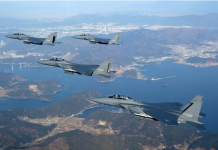
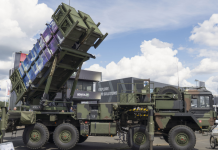
He emphasised that the armed forces of both countries continued to work closely together on a range of security priorities, including counter-narcotics operations in the Caribbean, integrated missile defence systems and the deployment of fighter jets to respond to potential threats across North America.
Pentagon Reviews Defence Engagement with Canada
The Washington Post reported on Friday that Hegseth had circulated a classified directive outlining potential constraints on military cooperation with Canada. Citing officials familiar with the matter, the newspaper said the precise scope of the reported restrictions remained unclear.
The Pentagon, meanwhile, confirmed that it was reviewing its engagement with Canada to ensure closer alignment with US defence priorities.
“The Department of War is taking steps to ensure its engagements with Canada advance tangible US defense objectives and ultimately support a reinvigorated defense relationship,” Pentagon chief spokesman Sean Parnell told AFP.
Parnell said Washington was prioritising bilateral cooperation aimed at strengthening the defence of the Americas while supporting Canada’s capacity to fulfil its commitments to NATO.
He added that the reported guidance would not affect defence intelligence cooperation, the binational North American Aerospace Defense Command (NORAD) or military cooperation through NATO.
US Senator Mike Rounds, a Republican from South Dakota, said defence officials had briefed him on the memorandum. He described it as containing no major new measures beyond actions that US military officials had been pursuing for years.
Canada Reaffirms Commitment to Joint Continental Security
Canada’s Defence Ministry declined to speculate on media reports but underscored the enduring importance of defence cooperation with Washington.
“Canada and the United States have a long history of defense cooperation built on a shared commitment to continental defense and protecting our collective security around the globe. This collaborative work continues,” ministry spokesman Tony Wright said.
McGuinty highlighted the importance of the two countries’ seven-decade partnership under NORAD, describing it as an effective framework for protecting North American airspace and ensuring continental security.
He said Ottawa remained committed to strengthening the partnership through continued investment and close military coordination.
Political Tensions Prompt Canada to Strengthen Defence Capabilities
The reported Pentagon directive comes at a time of heightened political tensions between Washington and Ottawa under US President Donald Trump. Trump has repeatedly suggested that Canada should become the 51st US state, imposed tariffs on Canadian products and criticised Canada’s defence spending.
Canadian Prime Minister Mark Carney has firmly rejected Trump’s annexation remarks and called for a reassessment of the international security order. His government has consequently accelerated efforts to strengthen Canada’s independent defence capabilities.
McGuinty stressed that Canada must assume greater responsibility for its national security, particularly in the strategically important Arctic region.
He also revealed that Ottawa was working to develop a domestic alternative to Starlink satellite communications, an initiative aimed at protecting Canada’s communications infrastructure and safeguarding national sovereignty.
Ottawa Plans Major Increase in Defence Spending
Canada announced last year that it had reached NATO’s defence spending benchmark of 2 per cent of gross domestic product for the first time. The government has outlined plans to increase defence expenditure to 5 per cent of GDP by 2035.
McGuinty said the changing international security environment required Canada to move beyond its traditional reliance on established defence arrangements and take a more proactive approach to national security.
“We’ve been in a comfortable position for decades, but things have now changed,” he said.
His remarks reflect Ottawa’s broader effort to balance its longstanding military partnership with the United States with a stronger commitment to independent defence capabilities, particularly in the Arctic and across the wider North American security landscape.
BY: The Times Union