- Agency Chief Fatih Birol Says Prolonged Disruption Could Deepen Global Economic Strain, with Developing Nations Facing the Greatest Impact
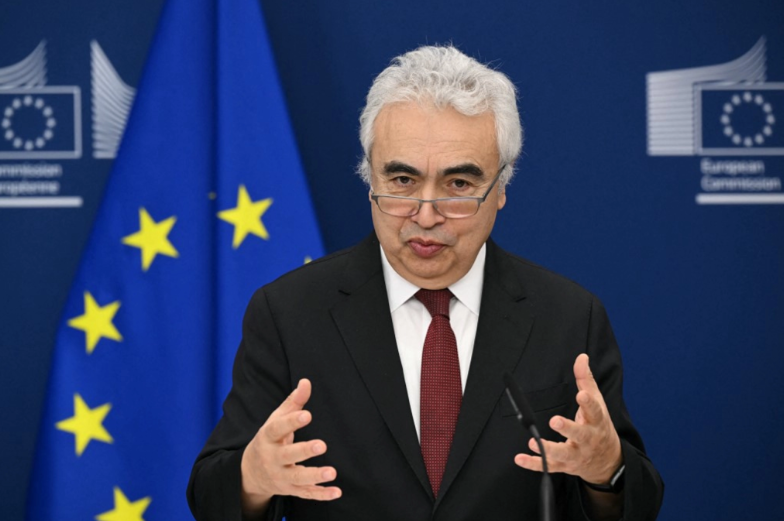
WASHINGTON: International Energy Agency (IEA) Executive Director Fatih Birol on Thursday warned that the world faces growing energy security risks unless oil shipments through the Strait of Hormuz resume in the coming weeks, stressing that the prolonged disruption threatens global markets and economic stability.
Speaking at an event hosted by the Council on Foreign Relations, Birol said the international community should be concerned if the current situation persists.
“Oil security is still a critical issue. We should be worried, and I am worried, if the situation does not improve in the next few weeks,” Birol said.
Strategic Waterway Remains Disrupted
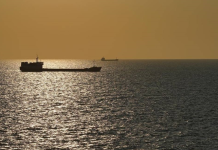
The Strait of Hormuz, the narrow maritime passage between Iran and Oman, normally carries around 20 percent of global oil and liquefied natural gas shipments, making it one of the world’s most strategically important energy corridors.
According to Birol, energy flows through the waterway have remained severely disrupted since the conflict began on February 28, following US and Israeli military operations against Iran.
The continued restrictions have fueled concerns over the reliability of global energy supplies and the potential for further volatility in international oil markets.
Emergency Measures Have Softened the Impact
Despite significant increases in oil prices, Birol said several factors have helped prevent an even sharper global energy shock.
Among the key stabilizing measures were:
- China’s strategic oil reserves, estimated at more than one billion barrels before the conflict.
- Reduced Chinese oil consumption through the expanded use of electric vehicles and public transportation.
- The International Energy Agency’s coordinated emergency release of up to 400 million barrels of strategic petroleum reserves.
However, Birol cautioned that these emergency interventions cannot provide a permanent solution.
“These measures can’t last forever,” he said, reiterating his earlier assessment that the ongoing Iran conflict represents one of the most serious energy disruptions in modern history.
US Production Helps but Has Limits
Birol acknowledged that increased oil production by the United States, currently the world’s largest producer of oil and natural gas, has helped stabilize global markets.
Nevertheless, he emphasized that American production alone cannot fully compensate for a prolonged disruption in the Strait of Hormuz.
“The US increase in production is very good. The US increased one million, two million barrels per day, but it cannot increase ten million,” he noted.
Developing Economies Bearing the Heaviest Burden
Birol said the energy crisis has affected countries unevenly, with Asia experiencing the greatest economic impact because of its heavy dependence on energy supplies transported through the Strait of Hormuz.
He noted that major economies such as Japan and South Korea have been affected, while developing nations—including Pakistan, Bangladesh and India—have faced even greater challenges due to higher import costs and limited financial resources.
Rising Humanitarian Concerns
Beyond its economic consequences, Birol warned that the energy crisis is creating serious humanitarian and public health challenges in developing countries.
He said many low-income households, particularly in rural communities, have been forced to switch from petroleum-based cooking fuels to traditional alternatives such as wood and animal dung, increasing exposure to harmful indoor air pollution.
Women and children are expected to bear the greatest health burden from this shift, he added.
Strategic Oil Reserves Remain Available
Birol noted that the IEA’s coordinated emergency release of oil reserves in March helped reduce global crude prices by approximately $20 per barrel and reassured markets that additional supplies could be made available if necessary.
Despite the scale of the intervention, he emphasized that the agency still retains substantial emergency reserves.
“Even though it was huge, it was only 20 percent of the stocks we have. Eighty percent is still in the pocket,” Birol said.
Call for Stability in Global Energy Markets
The IEA chief concluded by stressing that restoring normal energy flows through the Strait of Hormuz remains essential for safeguarding global energy security, stabilizing international markets and protecting vulnerable economies from prolonged economic and humanitarian consequences.
He urged continued international efforts to reduce tensions and ensure the uninterrupted movement of energy supplies through one of the world’s most vital maritime trade routes.
BY: The Times Union