- Pentagon and Intelligence Officials Reportedly Preparing for Possible Strikes
WASHINGTON — The United States administration is reportedly preparing for a possible new round of military strikes against Iran within the next three days, according to a CBS News report citing multiple sources familiar with the matter.
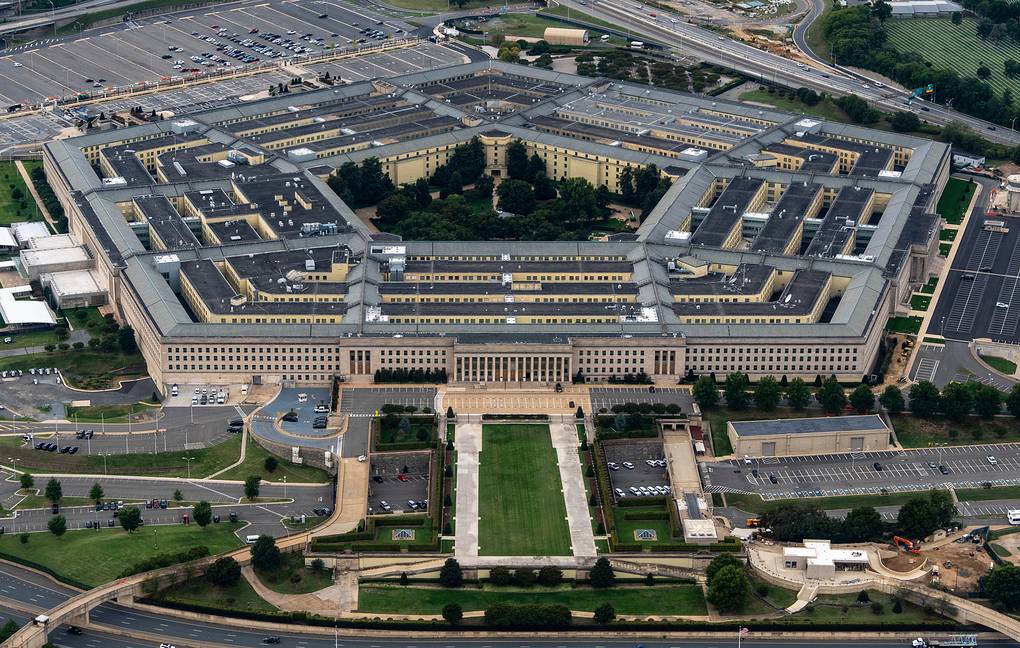
The report stated that officials within the Pentagon and the US intelligence community have intensified contingency planning as tensions between Washington and Tehran continue to escalate following stalled diplomatic efforts.
Several sources revealed that some American military and intelligence personnel canceled their Memorial Day weekend plans amid expectations that military action could be authorized at short notice. Defense and intelligence agencies have also reportedly updated recall rosters for overseas installations as part of broader security preparations.
According to CBS, the US is simultaneously working to reduce its military footprint in parts of the Middle East while preparing defensive measures against the possibility of Iranian retaliation targeting American interests and bases in the region.
Trump Holds High-Level Security Meeting
The developments come as US President Donald Trump reportedly grows increasingly frustrated with the lack of progress in negotiations with Tehran.
Axios earlier reported that Trump convened a high-level national security meeting on Friday involving Vice President JD Vance, Defense Secretary Pete Hegseth, CIA Director John Ratcliffe, and other senior administration officials.
During the meeting, officials reportedly briefed the president on the status of ongoing negotiations and presented various military and diplomatic scenarios should talks with Iran collapse entirely.
Sources close to the administration indicated that Trump’s dissatisfaction with the pace and direction of negotiations has intensified over recent days, increasing the likelihood of tougher US action against Tehran.
Fragile Ceasefire Under Pressure
The latest tensions follow months of conflict between the United States, Israel, and Iran. The US and Israel launched military operations against Iran on February 28, triggering a prolonged regional confrontation.
On April 7, President Trump announced a two-week mutual ceasefire with the Islamic Republic, temporarily easing fears of a broader regional war. However, according to Iranian officials, more than 3,375 Iranians were killed during 40 days of US-Israeli military strikes.
Diplomatic talks between Tehran and Washington held in Islamabad on April 11 failed to produce a long-term agreement, with both sides remaining divided on key security and strategic issues.
Although Trump later announced plans to extend the ceasefire on April 21, Iranian state media reported that Tehran rejected what it described as a unilateral extension by Washington and insisted it would continue to act according to its own national interests.
Growing Concerns Over Regional Stability
The renewed military preparations have heightened concerns among international observers about the risk of another major escalation in the Middle East, particularly as diplomatic channels appear increasingly strained.
Analysts warn that any fresh strikes could trigger retaliatory actions across the region, threatening energy routes, regional security, and broader geopolitical stability.
BY: The Times Union