- Tehran Denies Technical Negotiations Despite Reports of Fresh Diplomatic Engagement
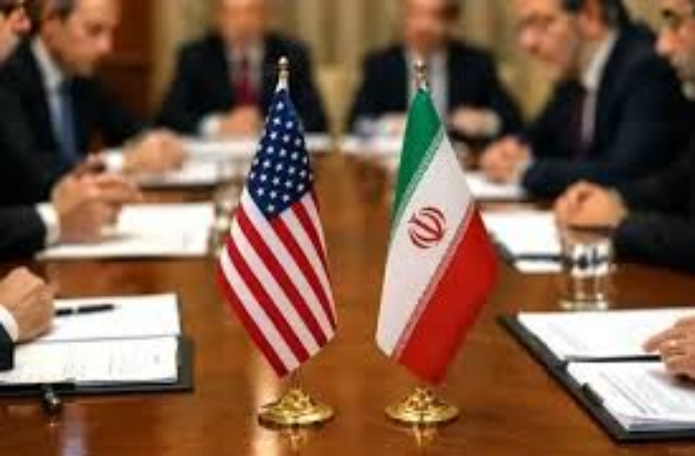
TEHRAN: US President Donald Trump announced on Monday that Iran had requested a meeting with Washington, which he said would take place in Doha on Tuesday, despite earlier denials from Tehran that any technical discussions related to the recent Middle East peace agreement were scheduled.
The development comes after Iran and Oman held their first consultations on the future management of the Strait of Hormuz since the signing of the US-Iran memorandum aimed at ending regional hostilities. The two sides have also agreed to suspend military actions that had previously threatened the accord.
“IRAN HAS REQUESTED A MEETING. IT WILL TAKE PLACE TOMORROW IN DOHA!” Trump wrote on his Truth Social platform, without providing details about the participants or agenda.
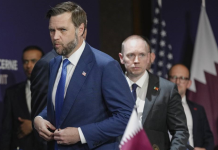
White House spokeswoman Karoline Leavitt later told Fox News that US special envoy Steve Witkoff and Trump adviser Jared Kushner would travel to Qatar for high-level meetings later this week.
A diplomat familiar with the discussions confirmed to AFP that US and Iranian officials were expected to meet in the Qatari capital to address the implementation of the agreement reached earlier this month.
“Technical teams working on the implementation of the memorandum of understanding are scheduled to meet in Doha in the coming days,” the diplomat said, speaking on condition of anonymity.
The source added that communication channels established to prevent escalation remain operational following recent military strikes.
However, Iranian Deputy Foreign Minister Kazem Gharibabadi rejected reports that technical negotiations had been scheduled for this week, according to state television.
A US official nevertheless indicated that diplomatic engagement would continue despite recent tensions.
“Both sides will stand down for now, and vessels can move freely in and around the Strait of Hormuz,” the official told AFP in an emailed statement.
Strait of Hormuz Remains a Key Issue in US-Iran Negotiations
Control and navigation through the Strait of Hormuz continue to represent one of the most sensitive aspects of the ongoing talks between Washington and Tehran.
The strategic waterway, bordered by Iran and Oman, previously handled nearly one-fifth of global oil and liquefied natural gas shipments before the outbreak of hostilities.
Iran announced on Monday that it had held its first post-agreement meeting with Oman regarding the future administration of the strait.
“During a trip to Muscat, the first meeting of the Joint Hormuz Committee was held,” Gharibabadi wrote on X. “While reviewing current issues related to the strait, we exchanged views on its future management.”
Although the strait includes both Iranian and Omani territorial waters, international maritime law generally prevents either country from blocking transit or imposing tolls on international shipping.
Tehran warned on Sunday that any efforts by vessels to avoid its preferred shipping corridor near Iranian waters could heighten regional tensions.
Iran maintains that ships passing through Hormuz should continue using routes adjacent to its coastline.
Military Tensions and Maritime Security Concerns Persist
The latest tensions in the area escalated on Sunday when US Central Command announced strikes on 10 Iranian military targets, citing what it described as continued Iranian threats against commercial shipping.
Iran subsequently said it had retaliated by targeting US military installations in Kuwait and Bahrain.
The implementation of the recently signed memorandum remains uncertain, particularly regarding de-mining responsibilities in the strategic waterway.
Iran Rejects French Role in De-Mining Operations
Iran expressed strong opposition on Monday after France and Oman announced plans to conduct joint de-mining operations in the Strait of Hormuz.
In a joint statement issued following talks between French President Emmanuel Macron and Omani Sultan Haitham bin Tariq, the two countries pledged cooperation on maritime security measures, including de-mining activities.
Responding on social media, Gharibabadi insisted that the memorandum grants Iran sole responsibility for such operations.
“Under the agreement, only Iran will conduct de-mining efforts and no other country,” he said.
“The situation is sensitive and complex. We strongly advise France not to complicate it further with its provocations,” he added.
Shipping Traffic Slows Amid Regional Uncertainty
Maritime traffic through the Strait of Hormuz slowed significantly over the weekend after a vessel was reportedly struck while transiting the waterway on Saturday.
According to maritime tracking company Kpler, 29 commodity vessels crossed the strait on Saturday, while only 12 made the journey on Sunday.
Data showed that no ships used a southern route through Omani waters, while shipping intelligence firm AXSMarine reported that 44 vessels had ceased publicly transmitting their locations.
The published text of the memorandum of understanding states that Iran will determine the future administration of the strait in consultation with Oman and other Gulf states, while remaining consistent with international law.
BY: The Times Union