


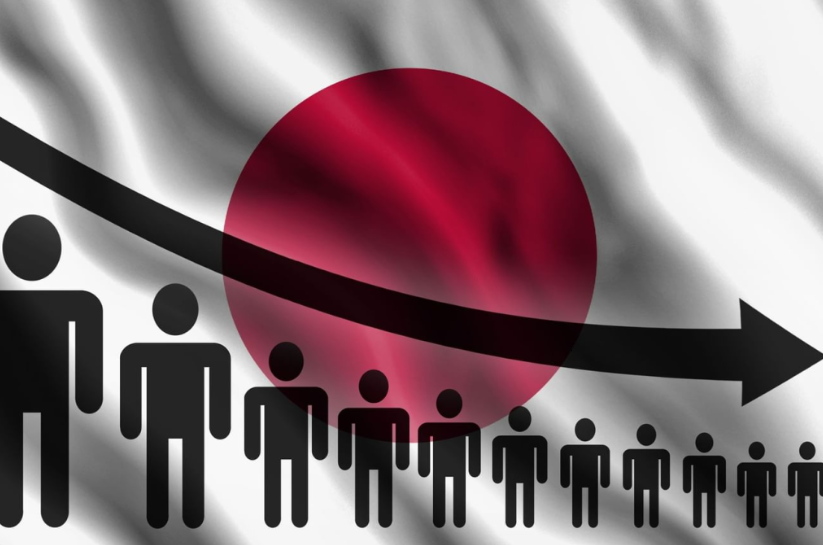
- Latest National Census Highlights Accelerating Demographic Challenges and Rising Urban Concentration
TOKYO — Japan recorded a historic population decline of 3.10 million people between 2020 and 2025, according to the country’s latest national census released on Friday, underscoring the growing demographic pressures facing the world’s third-largest economy.
The census showed that Japan’s total population, including foreign residents, fell by 2.5 percent to 123,049,524, marking the steepest decline since modern population surveys began in 1920.
The nationwide census, conducted every five years, also confirmed that Japan’s population has now declined for the third consecutive survey, reflecting the country’s worsening demographic imbalance driven by low birth rates and an aging society. The report revealed that 30.1 percent of Japan’s population is now concentrated in the Tokyo metropolitan area as of October 1, surpassing the 30 percent threshold for the first time in the country’s history.
The continued migration toward Tokyo highlights widening regional disparities as rural communities across Japan face shrinking populations, labor shortages, and economic decline.
Japan’s Ministry of Internal Affairs and Communications attributed the overall population decrease to the country’s rapidly aging population and the expanding natural decline, where deaths continue to outnumber births.
Government Pledges Stronger Measures to Address Demographic Crisis
Chief Cabinet Secretary Minoru Kihara acknowledged the seriousness of the demographic trend, saying the latest census confirms that population decline is accelerating further.
“It was confirmed again that the population decline is advancing even further,” Kihara told reporters during a press conference.
He added that the Japanese government would “comprehensively promote various measures” aimed at addressing the long-term social and economic challenges caused by the shrinking population.
Japanese authorities have increasingly focused on policies encouraging higher birth rates, childcare support, workforce participation, and regional revitalization, although experts warn that reversing demographic decline will remain difficult. Despite the overall decline in the national population, the number of foreign residents in Japan continued to rise significantly.
The ministry estimated the foreign resident population at approximately 3.21 million people in 2025, surpassing the previous record of around 2.75 million recorded in the finalized 2020 census data.
The increase reflects Japan’s gradual opening to foreign workers and international talent as businesses struggle with labor shortages in sectors including healthcare, construction, technology, and manufacturing.
Japan Remains Among World’s Most Populous Nations
According to United Nations population estimates for 2025, Japan remains the world’s 12th most populous country, accounting for approximately 1.5 percent of the global population.
However, demographic experts warn that the country’s rapidly aging society and declining birth rate could place increasing pressure on economic growth, social welfare systems, healthcare services, and labor markets in the years ahead.
BY: The Times Union