- Extreme Heat Disrupts Daily Life Across Continent, Fuels Wildfires, Strains Energy Systems and Raises Climate Concerns
ROME: A relentless heatwave swept across Europe on Thursday, placing millions of people under health warnings as soaring temperatures disrupted transport, strained energy supplies, intensified drought conditions and fueled destructive wildfires across the continent.
Italy issued its highest nationwide heat alert, Austria recorded its hottest temperature in history, while France, Germany, Hungary and several Balkan nations struggled with the mounting impacts of extreme weather. Scientists warned that climate change is making such prolonged and intense heatwaves increasingly frequent across Europe.
Italy Places All Major Cities Under Maximum Heat Alert
Italy’s Ministry of Health placed all 27 cities monitored under its national heat surveillance system on red alert—the first time this year that the country’s entire monitoring network has simultaneously reached the highest warning level.
The alerts cover the entire country, from Trieste in the northeast to Palermo in Sicily, with temperatures approaching 40°C (104°F) in several regions.
Authorities advised residents and tourists to remain indoors during the hottest hours of the day, stay well hydrated and avoid prolonged exposure to direct sunlight, warning that the extreme heat poses health risks to the entire population, not only vulnerable groups.
Tourist Attractions Adjust Operations to Protect Visitors
The unprecedented temperatures have also prompted authorities to introduce protective measures at Italy’s most visited cultural landmarks.
The Ministries of Tourism and Culture extended evening visiting hours at iconic attractions, including Rome’s Colosseum and the Pantheon, allowing visitors to avoid the midday heat.
Cooling mist systems have been installed at the Colosseum’s entrances, while additional emergency medical stations have been established to assist visitors affected by heat-related illnesses.
Austria Registers Highest Temperature in Its History
Austria experienced the most extreme conditions, with temperatures reaching 41.2°C (106.2°F) in Bad Deutsch-Altenburg, near the Slovak border, setting a new national temperature record.
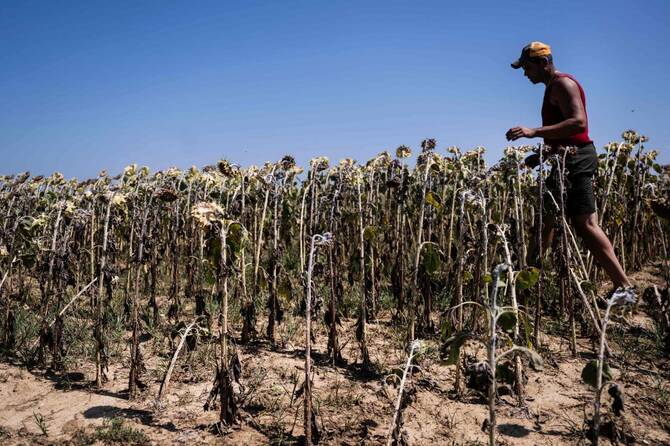
According to GeoSphere Austria, the country is also enduring one of its worst droughts on record. Rainfall during the first half of the year was 27 percent below the long-term national average, while eastern regions received barely half of their normal precipitation.
Climatologists noted that some areas are experiencing their driest conditions since the late nineteenth century.
Hungary Faces Energy Crisis as Drought Impacts Nuclear Plant
In Hungary, prolonged drought and critically low water levels in the Danube River have significantly reduced the output of the country’s only nuclear power station, which relies on river water for reactor cooling.
The government introduced emergency electricity conservation measures after plant production fell sharply.
Authorities called on industries and households to reduce electricity consumption, particularly during evening peak hours. Freight rail services were restricted, decorative lighting on public landmarks was switched off, and several major industrial companies announced voluntary energy-saving measures.
Germany Monitors Falling River Levels
Germany is facing increasing concerns over declining water levels in the Rhine River and other major waterways, raising fears of disruptions to inland shipping, industrial production and supply chains.
Transport Minister Steffen Bilger met industry representatives to assess the growing impact of drought on river transport, while environmental organizations urged authorities to strengthen long-term climate resilience by improving water conservation and reducing excessive withdrawals during dry periods.
France Battles Major Wildfires Amid Extreme Heat
In southeastern France, firefighters remained on high alert after bringing a massive wildfire in the Var region under control, although authorities warned that the blaze could reignite due to strong winds and exceptionally dry conditions.
The fire has consumed more than 60 square kilometres (23 square miles), making it the largest wildfire recorded in the region in decades.
Emergency officials continue to warn of an elevated wildfire risk across southern France as temperatures remain exceptionally high.
Balkans Grapple with Heat, Drought and Wildfires
The heatwave also intensified across the Balkans, where temperatures approached 40°C (104°F).
In Serbia, emergency crews battled multiple wildfires, including major blazes west of Belgrade and near Kraljevo, where rugged terrain hampered firefighting operations.
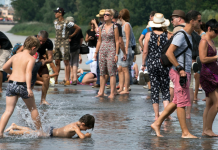
Along Croatia’s Adriatic coast, tourists in Dubrovnik sought shelter indoors or in shaded areas as authorities advised people to avoid outdoor activities during the hottest part of the day.
Scientists Warn Climate Change Is Intensifying Extreme Weather
Climate experts say the ongoing heatwave underscores the growing impact of climate change across Europe.
Increasingly prolonged periods of extreme heat, drought and wildfires are placing mounting pressure on healthcare systems, energy infrastructure, transportation networks, agriculture and tourism.
Scientists warn that without stronger climate adaptation and mitigation measures, Europe is likely to experience more frequent and severe heatwaves in the years ahead, posing significant risks to public health, economic stability and environmental sustainability.
BY: The Times Union