- Trump offers varying explanations for attacks, which Iranian officials say included 1 that killed 4 at wedding; Amman says all IRGC missiles were intercepted or landed in remote areas
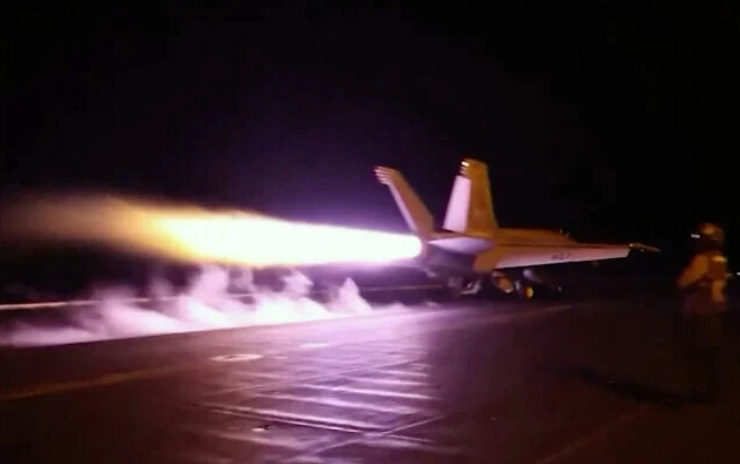
WASHINGTON — The US military hit targets in Iran on Tuesday, and Tehran fired missiles and drones in response, as hostilities flared once again in an intermittent war that has lasted more than six months.
The Iranian Red Crescent said four people were killed, including a child and over 50 others were wounded after a US strike hit a home that was hosting a wedding in the town of Kuhestak in the country’s south.
The US strikes followed others on Sunday that abruptly ended a month without military action and threatened to fully reignite a conflict that has spiked global oil prices and posed political problems for Republicans in November’s midterm congressional elections. The renewed fighting comes after US President Donald Trump had appeared to pivot toward trying to bend Iran to his will through economic sanctions.
“If the failed nation of Iran retaliates for this very justified attack, they will be hit again at a much harder and higher level, but it will not be the biggest attack of them all, that is waiting in the wings,” Trump warned on social media.
US Central Command said the latest strikes were in response to Tehran trying to attack commercial ships and American forces in the Middle East. Trump offered additional explanations, first writing on Truth Social that the US strikes were in retaliation for Tehran’s “failed attempt” to lay mines along the Strait of Hormuz.
He later told Fox News that the US strikes were actually in response to Iran trying to rebuild its radar.
“They tried to rebuild their radar because they can’t see anything,” Trump told Fox. “We waited until it was almost built and then we hit it.”
A day earlier, Trump pledged to respond to Iran’s Sunday targeting of US forces in Jordan, offering another possible explanation for Tuesday’s strikes around the Hormuz.
The Iranian Revolutionary Guard claimed to have retaliated on Tuesday by again firing ballistic missiles at a US base in Jordan along the Gulf of Aqaba coast, according to Iran’s state television. Explosions that appeared to be interceptions of incoming air attacks were seen over the southern Jordanian city of Aqaba.
While the IRGC claimed to have killed a large number of US forces, two US officials told Reuters that no casualties have been reported.
The Jordanian army said it intercepted 10 of the 13 missiles fired by Iran, while three of the projectiles were allowed to fall in remote areas.
Residents of the southern Israeli city of Eilat heard blasts, possibly from impacts or interceptions from the attack.
Iran’s military warns of ‘devastating blows’ as country reports attack on airport
Iran’s Armed Forces General Staff and its joint military command said the armed forces would deliver what they described as “crushing and devastating blows” against the United States. The state-run IRNA news agency cited a statement by Iran’s paramilitary Revolutionary Guard, which warned that the attacks have only strengthened the Islamic Republic’s resolve and tightened Iran’s effective closure of the Strait of Hormuz, through which 20% of the world’s oil normally flows.
Explosions were reported across several southern Iranian coastal areas, including the port city of Bandar Abbas that is home to naval and air force facilities as well as Qeshm Island in the Strait of Hormuz. Witnesses in Bandar Abbas told The Associated Press that the explosions were stronger than those on Sunday and said they saw smoke rising from the eastern part of the city on the strait.
Iranian state television said US strikes hit a fishmeal factory on Qeshm Island and several civilian sites in Hormozgan province. It said a fishing pier and a Ports and Maritime Organization tower in Sirik were among the locations struck.
State TV also reported that the US military struck the civilian Jiroft Airport in central Iran’s Kerman province, saying a projectile struck an area outside the runway and caused no casualties or damage to airport infrastructure.
Iranian state television reported that Tavanir, Iran’s electricity grid management company, said several parts of Hormozgan province’s power network had been struck. It said authorities were working to restore resulting outages.
According to Channel 12 news, the US strikes on Iran on Tuesday were broader than previous waves and targeted dozens of sites at least.
For the first time, the US was also targeting tankers belonging to Iran’s state-owned oil company as part of a new “tanker-for-tanker” policy, a senior US official told the network. Under the policy, Washington will strike an Iranian oil tanker each time Tehran attacks a tanker passing through the Strait of Hormuz.
The latest strikes also reportedly targeted air-defense systems, radar installations and anti-ship cruise-missile launchers.
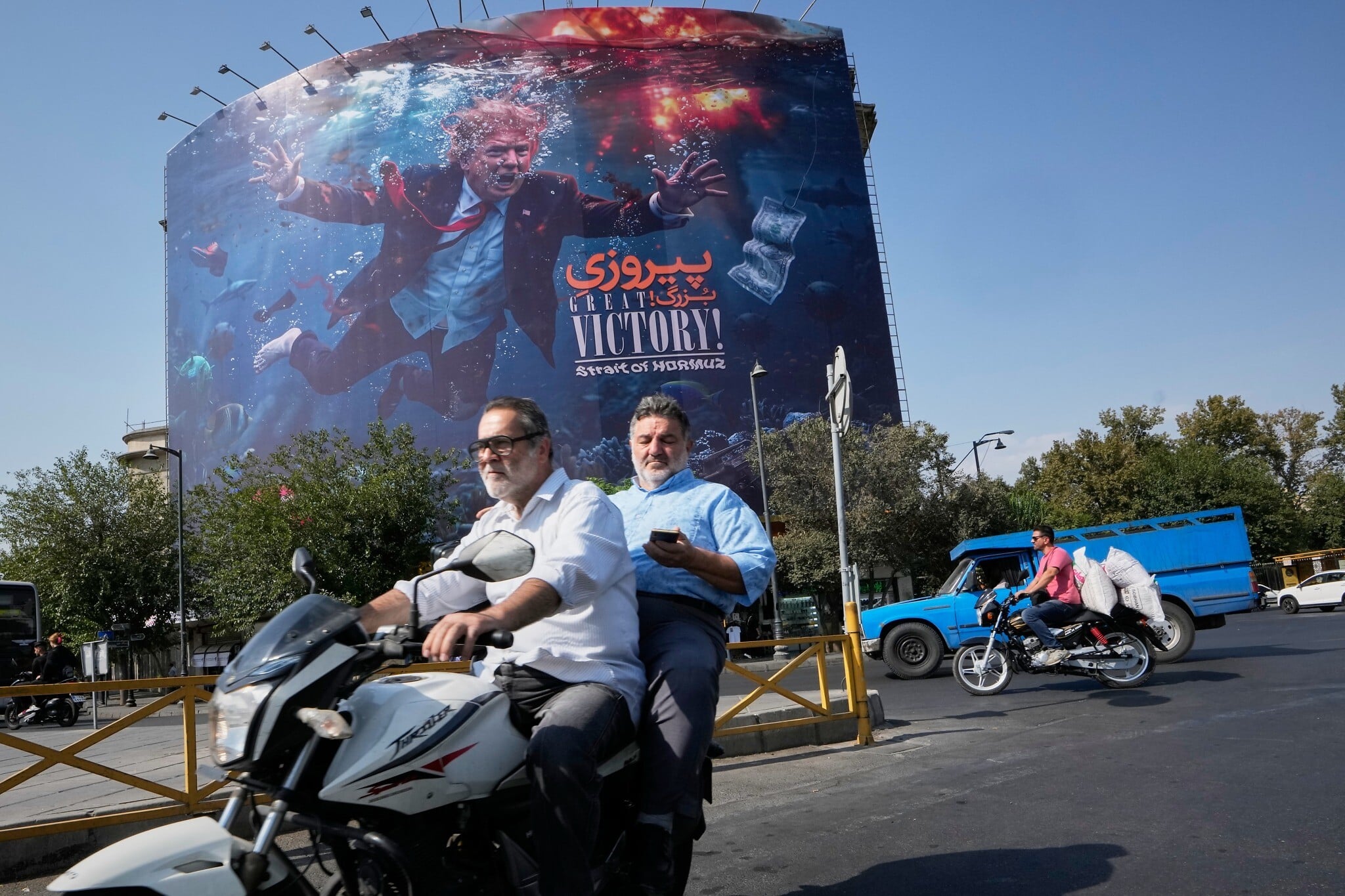
explosions, with the words “Great Victory! Strait of Hormuz,” in Tehran, Iran
According to Channel 12, Iran had recently begun moving weapons from the Tehran area toward the Strait of Hormuz, prompting the US military to warn US President Donald Trump that Tehran was re-establishing its capabilities in the area and that it was time to “mow the lawn.”
In addition to hitting the house housing the wedding, Iranian state media reported that the US had bombed civilian sites along Iran’s southern coast and hit a civilian airport.
The US and Iran are both seeking control over the Strait of Hormuz, a narrow waterway off Iran’s coast that is a vital oil shipping corridor. Tehran effectively closed it after the war began.
Oil prices have moved sharply higher this week with renewed clashes between Iran and the United States. Crude, already up about 7% this week, continued to rise following the strikes on Tuesday.
The price of crude has jumped more than 50% this year and has dragged the cost of gasoline upward with it. The cost for a gallon of regular gasoline in the US ticked higher again overnight to $4.10, according to AAA. Last year at this time, a gallon cost $3.19.
Strikes renew after Iran expressed interest in restoring MOU
Before military action began again, the Trump administration had argued that hitting the right economic target in a campaign of financial isolation would get Tehran to its breaking point. Now, strikes are renewing even as US stockpiles of advanced interceptors have been diminishing and the war has been unpopular among many Americans.
A return to open conflict would be dangerous for the region, where Iran has targeted US military bases and infrastructure in Gulf countries since the war began.
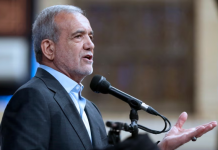
Iranian President Masoud Pezeshkian said earlier Tuesday before the latest strikes that the Islamic Republic is ready to return to the interim ceasefire deal reached with the US in June if Washington does the same.
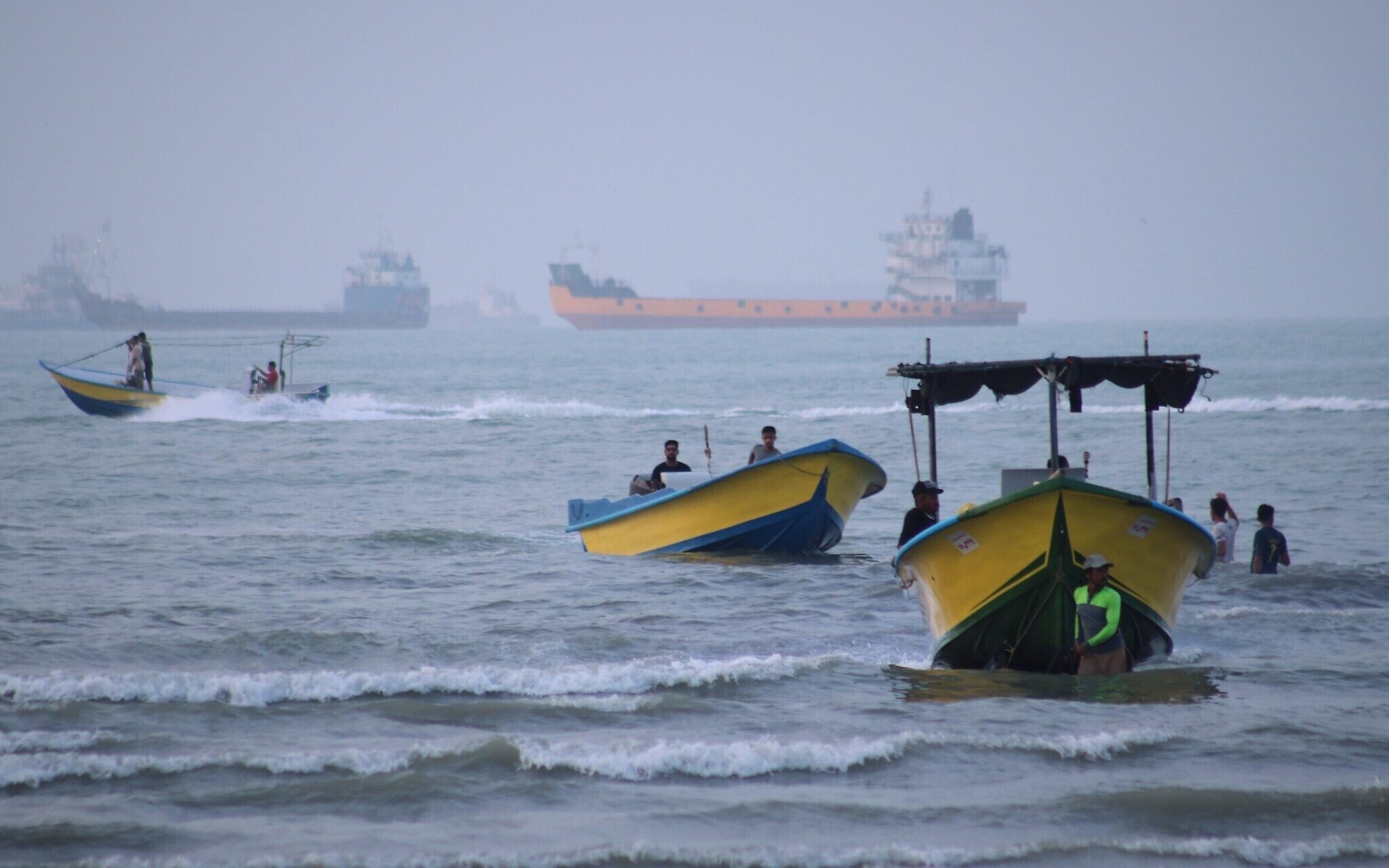
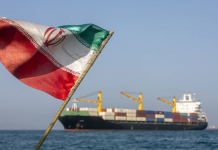
anchored in the Strait of Hormuz off Bandar Abbas, Iran, July 27, 2026.
“If the US returns to its commitments in the memorandum of understanding, the Islamic Republic of Iran will immediately reciprocate,” Iranian state media cited Pezeshkian as saying at the Shanghai Cooperation Organization summit in Kyrgyzstan.
The June interim deal called for an immediate ceasefire and started a 60-day period for negotiations aimed at reaching a wider agreement, but crumbled soon afterward.
In the previous strikes on Sunday, US Central Command said its forces struck Iranian rocket launchers that would launch sea mines into the strait.
Iran responded to Sunday’s attacks by launching missiles at US sites in Jordan, which were intercepted, while the United Arab Emirates said it stopped an Iranian drone over its waters. Trump acknowledged Monday that more strikes might be necessary.
The American military in recent days has cast the renewed fighting as limited, though Trump had acknowledged Monday that more strikes might be necessary.
US Central Command said Monday on X that its attacks on Iranian targets on Sunday were narrowly focused.
“US forces took limited, precise action against IRGC minelaying forces posing an imminent threat in the Strait of Hormuz,” US Central Command said. “In essence, Iran created the threat, and the US military eliminated it to protect civilian mariners, commercial shipping, and the free flow of global commerce.”
Central Command reiterated Tuesday that its attacks followed Iranian aggression against commercial vessels and American troops in the region.
BY: The Times Union – TOI – AGENCIES