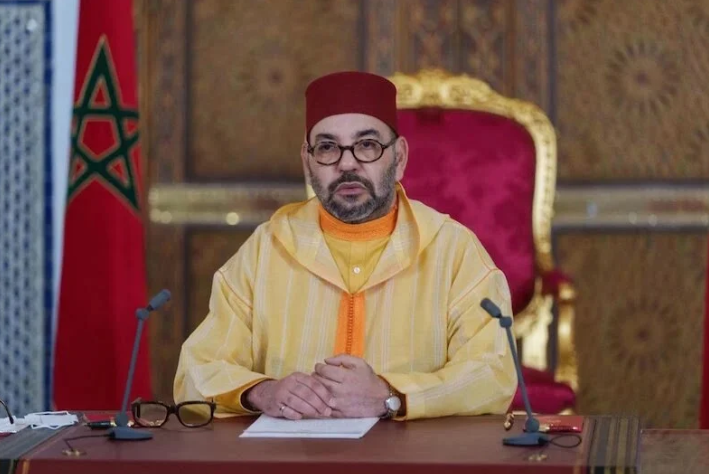
- Throne Day Address Highlights Morocco’s Strategic Transformation, Industrial Ambition and Expanding Role as a Bridge Between Africa, Europe and the Atlantic
The 2026 Throne Speech is not merely a review of the government’s performance: the monarch presents institutional stability as a strategic asset, industrialisation as an instrument of sovereignty, and diversified diplomacy as the natural extension of a far-reaching national project, within an international context marked by fragmentation and technological competition Few speeches by a head of state manage to encapsulate a vision for the country as clearly as the one delivered by King Mohammed VI on the occasion of the 2026 Throne Day. Beyond the ceremonial protocol and the review of the past year’s achievements, the message stands as a profound reflection on the development model built up over nearly three decades and on the foundations underpinning the Kingdom’s growing economic and diplomatic influence. Against a global backdrop marked by geopolitical fragmentation, rivalry between major powers and economic uncertainty, the monarch presents Morocco as a state determined to turn institutional continuity into a competitive advantage and industrialisation into the main instrument of its integration into the international community.
There is a substantial difference between speeches designed to address the urgent demands of the current situation and those that seek to set out the parameters of a historic project. The address marking the twenty-seventh anniversary of the accession to the Throne unequivocally belongs to the latter category. It is not merely a matter of celebrating recent progress or setting out the results of a particular government. The text offers an interpretation of the process of transformation Morocco has undergone since the late 20th century and, at the same time, a statement of principles regarding the role the Kingdom aspires to play in the international system over the coming decades.
From a political perspective, the speech represents one of the most significant texts of Mohammed VI’s reign. It brings together three narratives that have shaped the country’s development in recent years: the consolidation of a model of governance centred on institutional continuity; the building of an increasingly industrialised and technologically sophisticated economy; and the strengthening of a foreign policy aimed at making Morocco a key player between Europe, Africa and the Atlantic region. The tone deliberately avoids triumphalism. Although the overall assessment is positive, the monarch frames these achievements within a framework of historical continuity rather than personal success. Particularly revealing is his assertion that his aim was never to seek personal glory or recognition for a role of continental or international leadership, but rather to faithfully fulfil his duty to serve the people.

Beyond its rhetorical dimension, this statement serves a specific political function: it places the process of modernisation above the individual figure of the monarch and links it to the continuity of the state. Economic and institutional transformations are not presented as the result of isolated or short-term decisions, but as the consequence of a national strategy sustained over almost three decades. This idea is reinforced in one of the speech’s most significant statements: everything that has been achieved was not the result of chance, but rather the outcome of a clear strategic vision and an approach to governance based on initiative, meticulous monitoring and constructive self-criticism. This assertion likely constitutes the speech’s central thesis. The rest of the message can be read as a demonstration of that premise. Economic transformation, institutional strengthening, industrial expansion, increased exports and growing diplomatic influence are presented as concrete manifestations of a single organising principle: the existence of a state project designed for long-term development.
From a political analysis perspective, this concept is of particular interest because it breaks with a common feature in many emerging economies: the discontinuity of public policies. Whilst in much of the developing world changes of government often entail profound shifts in economic and administrative priorities, the speech specifically highlights the stability of strategic directions as one of the country’s principal assets. It is no coincidence that Mohammed VI repeatedly refers to the concept of governance. The term is used in a much broader sense than is customary in international organisations. It is not limited to describing efficient administrative procedures, but encompasses the state’s capacity to formulate national objectives, coordinate institutions, mobilise resources and maintain coherent policies over long periods.
This vision is particularly evident when the King states that Morocco is going through a decisive stage in its development process, in which a spirit of confidence and optimism must prevail over rhetoric of despair and frustration. Here, the message introduces an element that is unusual in economic discourse: collective confidence is presented as a strategic resource just as important as investment or infrastructure. Numerous studies on sustained growth have shown that shared societal expectations, institutional predictability and confidence in the continuity of public policies are essential factors for attracting investment and stimulating innovation. The speech explicitly incorporates this logic by presenting social optimism as an indispensable condition for consolidating the process of modernisation.
Stability therefore occupies the centre of the entire argumentative framework. However, the concept is defined in particularly broad terms. It is not simply equivalent to the absence of internal conflicts, nor is it identified exclusively with the maintenance of public order. In the sovereign’s reasoning, stability represents the State’s capacity to preserve institutional continuity in an increasingly uncertain international environment. The formulation is unequivocal: political and institutional stability constitutes an exceptional asset of incalculable value and represents the strategic capital of which Morocco is proud.
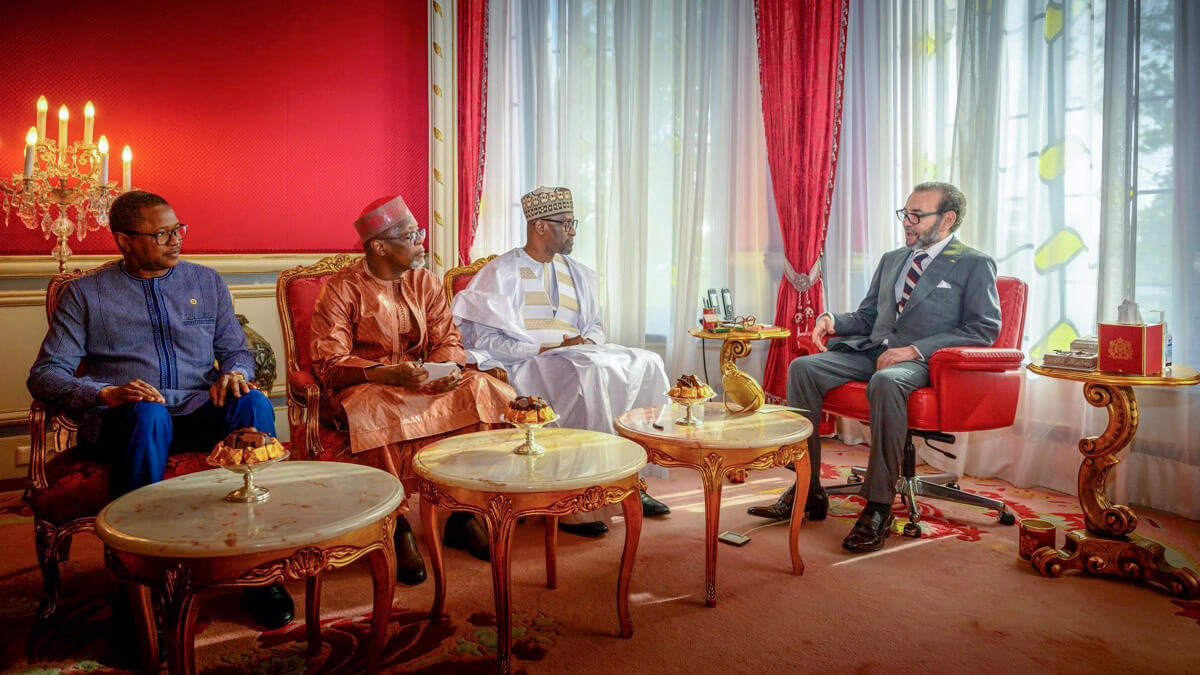
This assertion takes on particular significance when one considers the immediate geopolitical environment. North Africa and the Sahel continue to face challenges associated with terrorism, armed conflicts, political instability, coups d’état and economic crises. In the Middle East, multiple flashpoints of tension persist, whilst Europe is undergoing a period of economic slowdown and growing strategic uncertainty. Against this backdrop, the discourse presents Morocco as a regional exception characterised by institutional continuity and the state’s capacity to implement complex public policies. This is not merely a claim intended for domestic consumption. It also constitutes a message directed at international markets, foreign investors and diplomatic partners. In a global context where political risk has become a determining factor in the location of investments, stability has been transformed into a genuine economic asset.
The logic is clear: where there is institutional predictability, it is possible to plan industrial investments requiring time horizons of twenty or thirty years; where the rules remain relatively stable, technologically complex sectors can develop; where institutions operate in a coordinated manner, it is possible to build value chains capable of competing internationally. The discourse also links stability with institutional effectiveness. Mohammed VI maintains that Morocco is an ancient nation whose institutions operate in a spirit of harmony and complementarity, enabling it to consolidate achievements and tackle challenges even in adverse circumstances. Far from presenting institutions as independent bureaucratic structures, the text describes them as components of a single national project. Institutional coordination thus emerges as an indispensable requirement for sustaining the process of economic modernisation.
Equally significant is the reference to Morocco’s proven ability to organise major international events and manage emergency situations, such as the recent floods that affected various regions of the country. The sovereign interprets both examples as evidence of a public administration capable of responding effectively to both ordinary and extraordinary challenges. These examples serve a broader argumentative function: they seek not only to highlight administrative efficiency, but also to reinforce the idea that economic development is inextricably linked to institutional strength. The organisation of major events, the management of natural disasters, the attraction of industrial investment and the construction of infrastructure are all woven into a single narrative concerning the State’s capacity to implement complex policies.
Once the existence of stable governance, effective institutions and a long-term strategic vision has been established, the discourse shifts its focus to the economy. It does not do so through a simple presentation of macroeconomic indicators or by resorting to the usual catalogue of figures. The message pursues a more ambitious objective: to demonstrate that Morocco has moved beyond a growth model reliant primarily on traditional sectors to become an industrial economy integrated into major global production chains. For much of the 20th century, Morocco’s productive structure was heavily influenced by agriculture, phosphate mining and a growing tourism sector. Although these sectors continue to play an important role, the King’s address reveals that the national strategy has focused on activities that are intensive in technology, knowledge and industrial innovation.
The data on economic growth illustrates this evolution, although it does not constitute the core of the message. Mohammed VI notes that the economy achieved a growth rate of around 4.9 per cent in 2025 and anticipates that this pace may be maintained or even increased. Beyond the figure itself, the interest lies in the speech’s interpretation of this growth. It is not presented as a temporary phenomenon resulting from favourable international circumstances, but rather as the consequence of a carefully planned process of structural transformation. In this regard, the King attaches particular importance to the recovery of the agricultural sector following a period of adverse weather conditions. The reference to a successful agricultural season and to improvements in water and food security goes beyond a mere seasonal assessment. In a country where water is one of the main determinants of development, water resource management takes on a strategic dimension.
The true economic heart of the speech emerges when Mohammed VI states that Morocco has succeeded in establishing itself as a hub for industrial, tourism and financial investment. This statement summarises a strategy launched over two decades ago, aimed at transforming the Kingdom into an industrial platform capable of connecting European, African and Atlantic markets. The significance of this statement becomes clear when the King identifies the sectors that today form the pillars of the national productive apparatus: the automotive sector, the aerospace industry, renewable energy and the agri-food industry. All share three fundamental characteristics: they require high levels of investment in technology, generate highly skilled employment and are closely integrated into international supply chains.
From a comparative perspective, this development represents one of the most significant changes witnessed by an African economy in recent decades. Morocco has not chosen to compete solely on the basis of low labour costs or tax incentives, but has sought to establish itself in industrial segments where competitiveness increasingly depends on technological quality, logistics and institutional stability. The automotive industry provides the most telling example. The report notes that Morocco has become the leading exporter of motor vehicles on the African continent, with an annual production capacity of close to one million vehicles. Even more significant is the fact that combined exports from the automotive and aeronautical sectors now account for more than forty per cent of the Kingdom’s total exports, even surpassing the historical importance of phosphates.
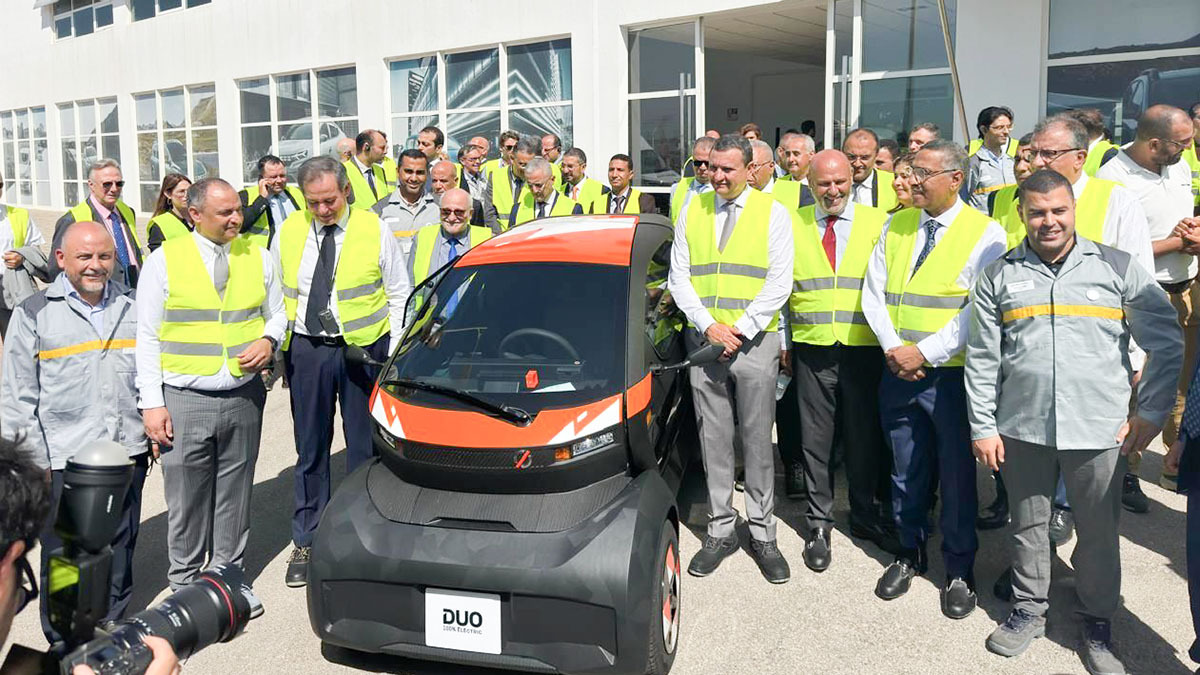
This development reflects a profound structural transformation. For decades, phosphates symbolised the country’s main exportable wealth. The fact that industrial manufactured goods have now overtaken them in prominence is an indicator of the depth of the change that has taken place. Exporting raw materials involves participating in international markets from a position that is generally subordinate to fluctuations in commodity prices. Exporting vehicles, aeronautical components or industrial equipment, by contrast, means integrating into production networks where added value, technological innovation and industrial specialisation take on far greater importance.
Even more revealing is the reference to the opening of new industrial plants dedicated to the manufacture of aircraft engines and landing gear. The aerospace industry ranks among the most complex industrial sectors in existence. Its development demands high quality standards, a highly specialised workforce, technology transfer, international logistical integration and close cooperation with multinational companies. The fact that Morocco aspires to produce critical aircraft components is evidence of the growing sophistication achieved by its industrial sector. From a strategic perspective, the message conveys a clear idea: the Kingdom does not intend to limit itself to assembling products designed in other countries, but rather to move progressively towards activities with greater technological content and a greater capacity to generate national innovation.
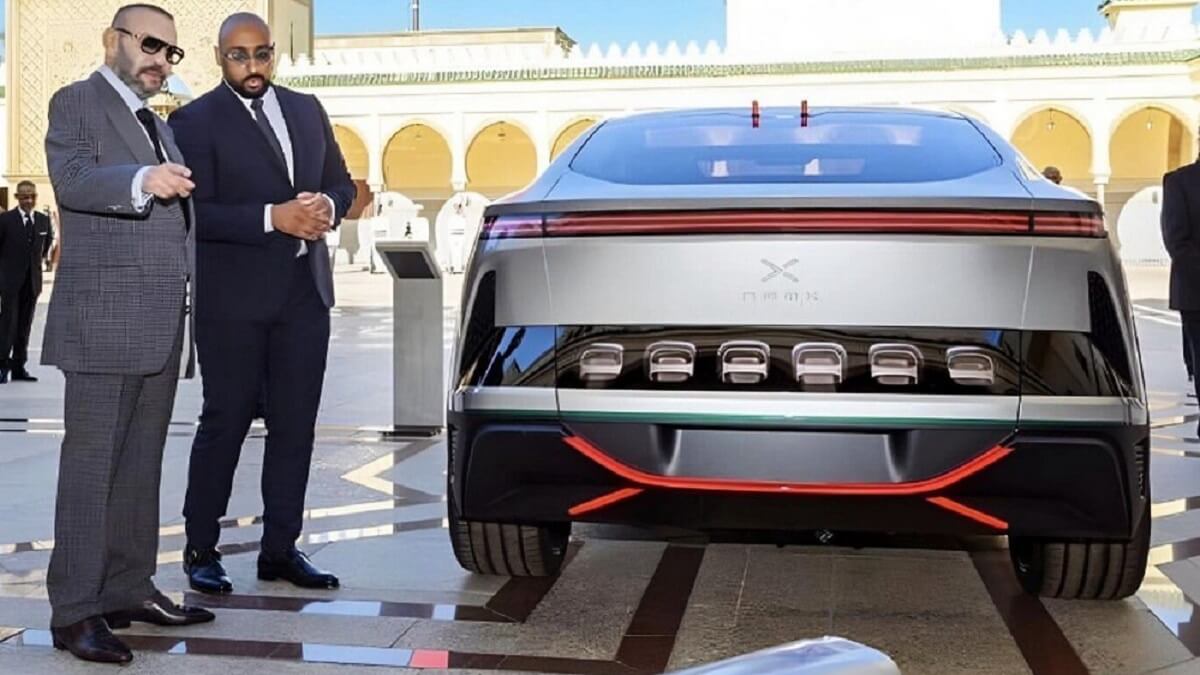
This rationale becomes even clearer when Mohammed VI addresses the development of the electric battery sector. The speech states that this industry demonstrates Morocco’s ability to anticipate technological transformations and integrate into new production chains linked to strategic industries. The transition to electric mobility is one of the most significant industrial processes of the 21st century. Batteries represent one of the components with the highest added value and are currently the focus of intense technological competition between the United States, Europe and Asia. By highlighting this sector, the speech suggests that Morocco aims to play a significant role in this global transformation.
The same logic underpins the development of renewable energy. The King maintains that these projects should not be viewed solely as environmental initiatives, but as instruments of economic policy capable of simultaneously strengthening energy security and industrial competitiveness. Whilst many countries continue to approach the energy transition primarily from a climate perspective, Morocco presents it as a tool designed to strengthen its competitive position. The availability of clean electricity at competitive prices is seen as a factor capable of attracting energy-intensive industries, particularly those subject to growing environmental demands from European markets. Within this strategy, ‘Morocco’s Offer’ for green hydrogen occupies a particularly prominent place. The announcement of the authorisation of a first series of major projects constitutes one of the most significant passages in the speech. Thanks to its solar and wind resources, Morocco enjoys particularly favourable geographical conditions for producing hydrogen from renewable sources, a circumstance which the speech highlights as a long-term strategic opportunity.
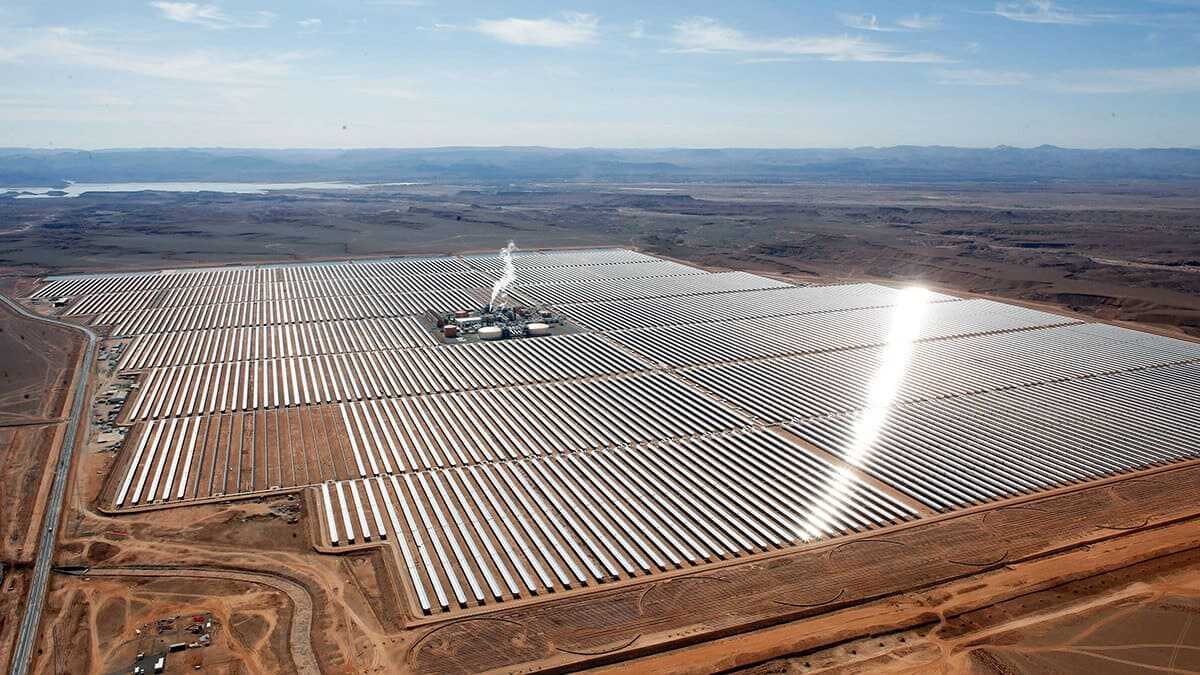
In reality, the reference to green hydrogen goes beyond the energy issue. It represents an expression of a national strategy aimed at identifying, in advance, the industries set to dominate the global economy over the coming decades. This capacity for foresight is precisely one of the characteristics the King emphasises when he speaks of governance based on strategic vision and long-term planning. From this perspective, the industrialisation described should not be interpreted solely as a policy aimed at increasing gross domestic product. It is presented as a much broader process of structural transformation through which Morocco aims to simultaneously increase its economic autonomy, its technological capacity and its international influence. In this context, the economy is no longer regarded exclusively as a sphere for generating wealth but becomes an instrument of national power.
One of the most innovative aspects of the discourse lies in the close link it establishes between economic development and national security. Unlike traditional conceptions, which for decades regarded both areas as relatively independent spheres, the monarch’s message integrates them within a single strategic framework. Industrialisation is no longer seen solely as a means of boosting growth or creating jobs; it has become an essential element of the state’s autonomy and, consequently, of its ability to defend its interests in an increasingly competitive international environment. The profound geopolitical transformations that have taken place since the COVID-19 pandemic – exacerbated by trade tensions between the major powers, the war in Ukraine and the growing fragmentation of international supply chains – have substantially altered the way in which many states conceive of their security. Excessive dependence on external suppliers in critical sectors is no longer seen as a mere economic issue but has become a matter of sovereignty.
It is precisely within this context that one of the central passages of the speech takes on particular significance. Mohammed VI states that, in the face of the resurgence of protectionism and the need to secure production chains, Morocco has made the strengthening of national sovereignty and strategic self-sufficiency one of the cornerstones of its industrial development. This formulation is particularly significant because it introduces into Moroccan political discourse concepts that, until a few years ago, were associated mainly with the major industrial powers. Strategic self-sufficiency is no longer solely a concern for the United States, China or the European Union; it is now presented as a priority for a middle-income country that aspires to progressively increase its degree of autonomy.
The strategy is built around a simple yet profound idea: the greater a country’s capacity to produce domestically those goods considered essential for the functioning of its economy and the protection of its population, the less it depends on the decisions of others. In this regard, the statement highlights that the food and pharmaceutical industries already meet approximately eighty per cent of national needs. The pandemic highlighted the extent to which even highly developed economies could face difficulties in accessing medicines, medical supplies or certain food products when global supply chains were disrupted. Self-sufficiency in these sectors is thus presented as an additional guarantee of stability in the face of future international crises.
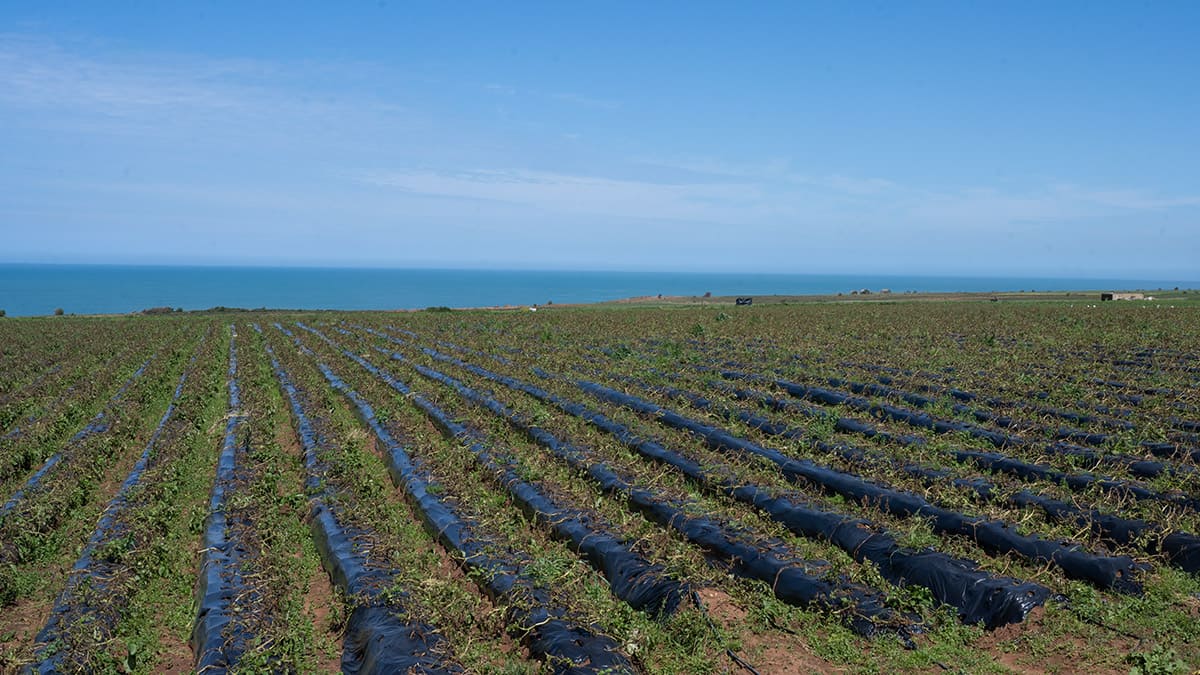
Probably the most significant announcement from a strategic perspective is the decision to develop an industrial and technological base linked to the defence and cyber-security sectors. Although the speech does not provide specific details on the scope of these projects, the mere inclusion of this objective within national planning is highly significant. The defence industries constitute one of the sectors where technological innovation, scientific research, industrial development and strategic autonomy converge. At the same time, the growing prominence of cyber security reflects Morocco’s adaptation to an international landscape in which threats are no longer limited to the conventional military sphere, but include attacks on critical infrastructure, financial systems, energy networks and digital platforms. From a geopolitical perspective, this decision can be interpreted as part of a broader trend observed in numerous countries in recent years. International technological competition has turned certain industrial capabilities into genuine instruments of national power.
In this regard, the discourse hints at a profound transformation in the way Morocco conceives of its place on the international stage. For decades, the Kingdom was regarded primarily as a trading partner, a tourist destination and a major agricultural and mining producer. Today, the official narrative aims to present a country capable of developing advanced industries, producing complex technologies and actively participating in sectors linked to defence, aeronautics, the energy transition and the digital economy. The reference to defence industries also has another, less explicit but equally relevant dimension. It implies a recognition that economic strengthening and military strengthening are complementary processes. No regional power can sustain an ambitious foreign policy without an industrial base capable of underpinning its strategic autonomy.
However, Mohammed VI avoids presenting industrialisation as an end in itself. Throughout his speech, he emphasises that economic growth only acquires political legitimacy when it translates into a genuine improvement in the living conditions of the population. The King points out that the Kingdom continues to implement numerous human development programmes and to make progress in extending social protection, with the aim of improving citizens’ living conditions and strengthening social and territorial justice. The inclusion of this passage is particularly significant as it prevents the speech from being interpreted solely as a defence of economic growth. Mohammed VI seeks to construct a narrative in which industrial development and social cohesion are closely linked. Of particular interest is his emphasis on the need for integrated territorial development programmes to reach all regions of the Kingdom without exception. This reference highlights a recurring concern in many modernisation processes: ensuring that the benefits of growth are not concentrated exclusively in large urban centres or in the most developed regions.
Financial matters also feature prominently. Mohammed VI acknowledges that the country’s economic and social transformation requires resources on an unprecedented scale and states that a large proportion of these must be obtained through domestic financing mechanisms. This statement is a further indicator of the growing maturity of the Moroccan economy. For many years, the development of numerous emerging economies relied heavily on international financing or foreign aid. The speech now sets out a different approach: strengthening the national capacity for saving, mobilising the resources of Moroccan financial institutions, and significantly expanding access to credit for small and medium-sized enterprises, technological innovation, industrialisation and exports. No sustained process of industrialisation can depend indefinitely on foreign capital. The consolidation of a financial system capable of channelling domestic savings towards productive projects is one of the fundamental requirements for sustaining growth over the long term.
The speech thus conveys a coherent vision of the economic model that Morocco aims to consolidate. It is not simply a matter of attracting international investment, but of progressively building a financial and industrial ecosystem capable of sustaining, with its own resources, an increasing share of the modernisation process. Within this framework, the State plays the role of strategic coordinator rather than a substitute for the private sector. The King does not propose an expansion of the state apparatus as the sole driver of development. On the contrary, he makes an explicit call for the financial system to expand its capacity to support private investment, facilitate innovation and accelerate the creation of export-oriented enterprises. Modernisation thus emerges as the result of an ongoing interaction between public policy, entrepreneurial initiative and institutional stability.
Whilst the first half of the speech is devoted to demonstrating that institutional stability forms the foundation of economic development and that industrialisation represents the principal instrument of national transformation, the final section shifts the focus towards Morocco’s growing international influence. This is not a change of subject, but rather the logical culmination of the argument. The Kingdom’s international profile is presented as the natural consequence of the consolidation of a model of state that has succeeded in combining political continuity, economic modernisation and institutional capacity. For decades, many developing countries sought to increase their international standing through intense diplomatic activity that was not always underpinned by a solid economic foundation. The Throne Speech proposes a reverse logic: before aspiring to play a significant role on the international stage, the state must first build, internally, the economic, industrial and institutional capacities that lend credibility to that aspiration.
The phrase chosen by Mohammed VI to summarise this development is particularly significant: Morocco has succeeded in consolidating its position as a reliable, respected and influential international actor. Each of these three descriptors corresponds to a distinct dimension of contemporary foreign policy. The status of a reliable actor refers to the predictability of the Kingdom’s international actions. In a landscape characterised by the growing volatility of alliances and the accelerating pace of geopolitical change, credibility has become one of the main diplomatic assets. The description ‘respected’ refers to an international legitimacy that transcends the country’s demographic or economic size. Finally, the notion of an ‘influential’ actor introduces a qualitatively different dimension. Influence implies the ability to shape decisions, build consensus and play an active role in shaping major international processes.
The King’s subsequent statement elaborates on this idea by asserting that Morocco has become a key economic player and a sought-after partner within the framework of new, balanced and forward-looking partnerships. The phrase “new balanced partnerships” reflects one of the main transformations in Moroccan foreign policy in recent years. Traditionally, relations between Europe and many African countries were characterised by significant political and economic asymmetry. The speech suggests that Morocco considers this logic to be a thing of the past and aspires to establish ties based on shared interests and mutual benefits. This approach is fully in line with the evolution of the international system towards an increasingly multipolar order. The relative weakening of post-war structures and the rise of new economic powers have significantly expanded the room for manoeuvre of middle-power states.
In this context, another of the key statements takes on particular significance: Morocco can address all its partners with confidence and clarity to propose cooperation initiatives on major bilateral and international issues. From a diplomatic perspective, this assertion constitutes a declaration of autonomy. It does not imply neutrality or equidistance between the major powers, but rather the determination to develop a foreign policy flexible enough to maintain constructive relations with diverse international actors without compromising its own strategic interests. This aspect is particularly evident when Mohammed VI emphasises that the Kingdom has chosen to diversify its partnerships with the aim of strengthening national capabilities and enhancing the country’s strategic value across multiple fields. Diversification is probably one of the most characteristic features of contemporary Moroccan diplomacy. Rather than concentrating its foreign policy on a small number of traditional alliances, Rabat has sought to simultaneously expand its relations with Europe, the United States, Africa, the Arab world, the Gulf states and a growing number of partners in Asia and Latin America.
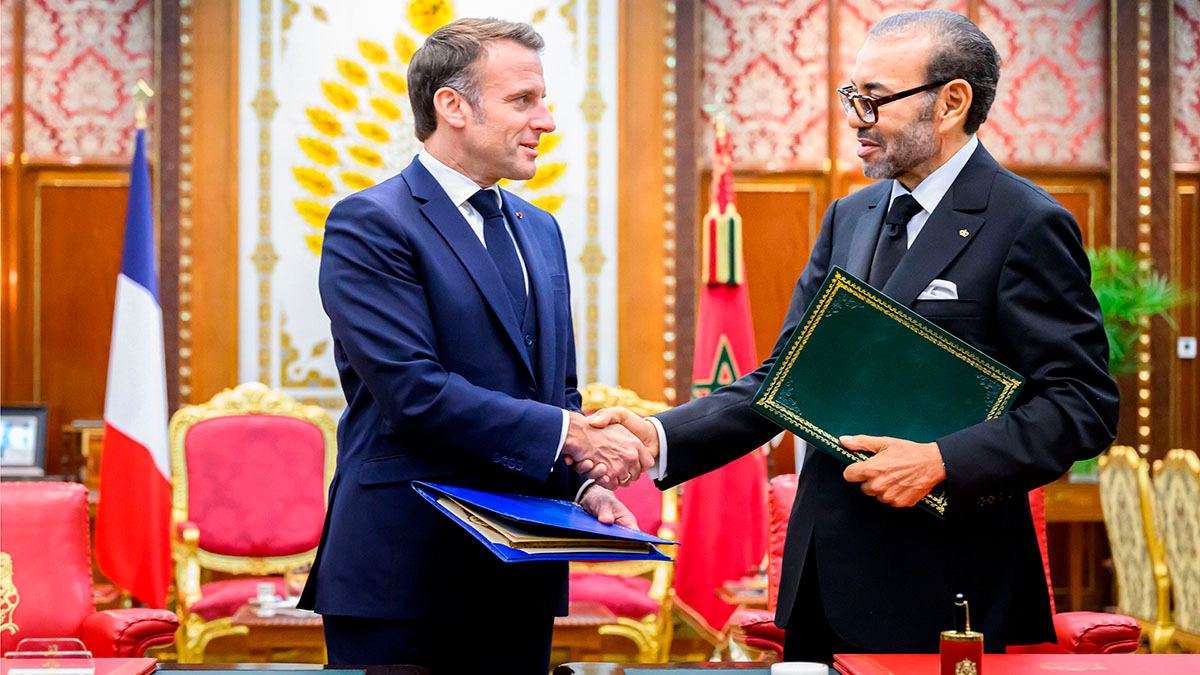
The rationale behind this policy is closely linked to the evolution of the Moroccan economy described in the previous section of this address. A diversified economy equally requires a diversified diplomacy. New manufacturing industries, the expansion of exports, the development of renewable energy and the consolidation of Morocco as an international logistics hub demand an ever-wider network of economic, financial and technological agreements. Consequently, foreign policy is no longer conceived exclusively as an instrument of international representation but is instead becoming an extension of the national development strategy. From this perspective, the Kingdom seeks to position itself as one of the main points of connection between traditionally separate geopolitical spaces. Its geographical location enables it to project itself simultaneously towards Europe, the Atlantic, the Mediterranean, West Africa and the Arab world. However, the speech makes it clear that geography alone is not enough to guarantee this central role. It is essential to complement it with modern infrastructure, institutional stability, industrial capacity and active diplomacy.
In the closing paragraphs of his address, Mohammed VI definitively moves beyond a short-term assessment to place the debate within a much broader context: that of historical time. The monarch no longer speaks solely of economic growth, industrial investment or international relations; he reflects on the way in which a state builds its development over several decades through the progressive accumulation of strategic decisions. In an era dominated by political immediacy and the constant pressure of electoral cycles, the speech emphasises the importance of maintaining strategic directions capable of transcending governments, parliamentary terms and temporary economic circumstances. The chosen phrase clearly sums up this concept: the economic and social achievements attained transcend the timeframe of a government or parliamentary term; rather, they are the result of a succession of positive accumulations, built up over the years, thanks to strategic direction and the major decisions wisely adopted by the country.
From the perspective of institutional analysis, this statement is of considerable importance. It introduces a cumulative view of development. Progress is not presented as the result of isolated measures nor as the consequence of a single government programme. Rather, it arises from a continuous sequence of public policies which, when maintained over long periods, ultimately bring about structural changes to the capacities of the state and the economy. The passage highlights a conception of leadership based on continuity rather than rupture. Whilst many political systems tend to equate change with the replacement of previous policies, the discourse maintains that major national transformations require, precisely, the preservation of certain fundamental orientations regardless of changes in government.
No less significant is the reference to the forthcoming parliamentary elections and the formation of a new government. Far from presenting this process as a turning point, the sovereign expresses the wish that the new political phase should be geared towards consolidating achievements and continuing major projects and reforms. From an institutional perspective, this formulation reaffirms the idea that strategic transformations must outlast changes in government. Elections are presented as part of a framework of continuity in which political changes do not necessarily entail a redefinition of major national objectives.
Taken as a whole, the address also offers a particular conception of leadership. Mohammed VI presents the running of the state as a continuous exercise in strategic foresight. Governing means identifying, well in advance, the technological, economic and geopolitical transformations capable of altering the international environment, thereby preparing the country to capitalise on these opportunities before they fully materialise. The repeated reference to planning, meticulous monitoring, constructive self-criticism and strategic vision thus takes on a much broader dimension than the mere description of a management method. It becomes an explanation of the model through which the Kingdom intends to navigate a century characterised by rapid change and increasingly complex international competition.
Every political discourse aims to interpret the present. Very few, however, succeed in formulating a coherent vision of the future. The message delivered by Mohammed VI on the occasion of the 2026 Throne Day falls into the latter category. Its significance does not lie solely in the economic review presented or in the list of projects currently under way. Its true importance lies in offering a comprehensive narrative of the place Morocco intends to occupy in a world undergoing profound geopolitical, technological and economic transformations. Viewed in context, the text constitutes much more than a showcase of government achievements. It is a strategic framework designed to explain how a medium-sized state can progressively increase its international influence through a combination of institutional stability, economic modernisation, productive diversification and a pragmatic foreign policy.
Throughout the speech, the King develops an idea that recurs in various forms: a country’s external strength ultimately depends on the robustness of its institutions and the capacity of its economy to generate innovation, wealth and social cohesion. This relationship between internal stability and international influence is probably the main thread running through the speech. In this sense, the message moves away from traditional conceptions that equated international power exclusively with military might or population size. International influence is defined by far more complex parameters. The ability to attract investment, participate in technologically advanced industries, secure supply chains, develop renewable energy, strengthen economic resilience and build balanced partnerships takes on a prominence equal to — and even greater than — that of the traditional instruments of state power.
From this perspective, the speech delivered on the occasion of the Throne Day celebrations goes far beyond the significance of a national ceremony. It constitutes a declaration of intent regarding the role Morocco aspires to play in the coming decades and a synthesis of the strategic vision that has guided much of the transformation driven forward during the twenty-seven years of Mohammed VI’s reign. Rather than a point of arrival, the message presents these achievements as the foundation upon which the Kingdom intends to build a new phase of development, characterised by greater industrial capacity, more robust economic autonomy and an increasingly influential international presence in a world order undergoing radical reconfiguration.
BY: The Times Union