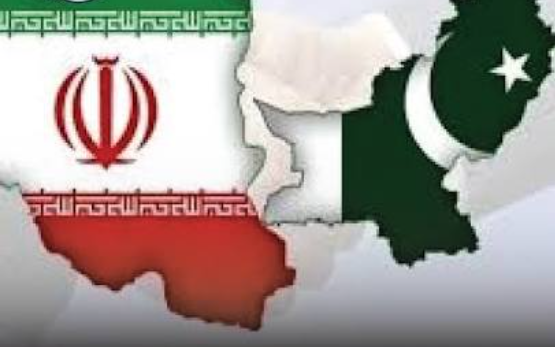
I would like to sincerely congratulate the great nation, the esteemed government, and all the dear and culture-loving people of Pakistan on the arrival of August 14, Pakistan’s Independence Day.
Iran and Pakistan are two neighbors and two nations with ties that go far beyond political borders. It is a matter of pride for us that Iran was the first country to recognize the existence of this country after Pakistan’s independence in 1947. This early step was not a ceremonial or purely political decision, but rather a natural reflection of the deep historical, cultural, religious, and civilizational ties between the two nations.
The reasons for this initiative can be sought in several factors:
First, religious commonalities and Islamic values; Iran and Pakistan are both formed on the basis of Islamic identity, and the bond of Islamic brotherhood has always been the axis of relations between the two nations.
Second, geographical proximity and ethnic and social ties; common borders and the long-standing presence of tribes and families living on both sides of the border have paved the way for close human, economic, and cultural relations.
Third, the shared heritage of Persian language and literature; Persian was the official, administrative, and cultural language of the subcontinent for centuries, and many poets, mystics, and thinkers of this land have composed and written poetry in Persian. This heritage links Iran with the cultural heart of Pakistan.
Fourth, supporting the independence of Muslim nations and opposing colonialism; at that historical juncture, Iran considered Pakistan’s independence a step towards the revival of Islamic identity and the freedom of the nations of the region.
The historical and cultural ties between Iran and Pakistan are very extensive and deep-rooted. Persian language has played an unparalleled role in the formation of Urdu language and literature of Pakistan, and Persian vocabulary, terms, and concepts are still seen in the daily lives of Pakistani people. Allama Muhammad Iqbal Lahori, the national poet of Pakistan, composed a significant part of his works in Persian and considered himself indebted to Iranian and Islamic culture. His Persian poems such as “Asrar Khudi”, “Zabur Ajam”, and “Javidnameh” are a strong bridge between the hearts of the two nations.
Also, mystical and Sufi traditions, from Rumi and Hafez to shared Sufi stories, are rooted in both lands. Rituals such as Nowruz, music, architecture, Islamic motifs, gardening and hospitality customs are all signs of a common civilization and an unbreakable bond.
Today, relying on this precious heritage, we can further expand the cultural, scientific, academic and artistic relations between the two countries. Iran and Pakistan, with their great common capital, can be a model of neighborliness and brotherhood in the Islamic world.
Once again, I congratulate you on this auspicious day and wish the great nation of Pakistan ever-increasing dignity, unity, security and pride.
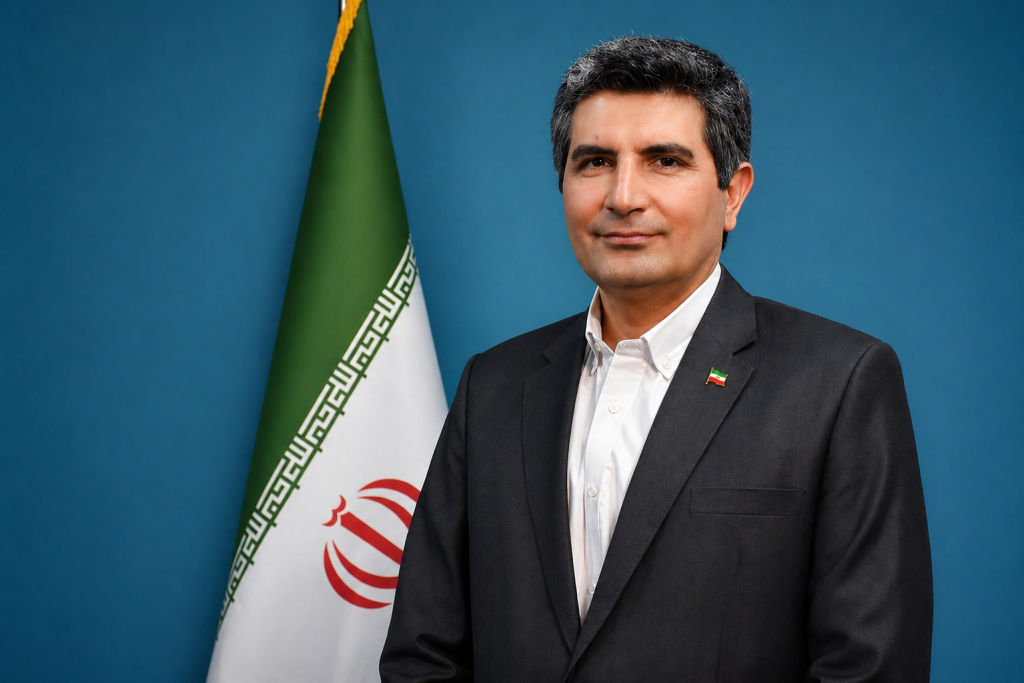
Iranian Cultural Attaché in Pakistan