- 1,100-year-old mountain fortress and six associated strongholds bring Iran’s World Heritage total to 30
TEHRAN: Iran’s historic Alamut Castle and its associated network of medieval mountain fortifications have been inscribed on the UNESCO World Heritage List, bringing the country’s total number of World Heritage sites to 30.
The inscription was approved on Sunday during the 48th session of the UNESCO World Heritage Committee in Busan, South Korea, marking a major achievement for Iran’s cultural heritage and international recognition of its historic architecture.
Seven Fortresses Form Medieval Defensive Network
The nomination, titled “Alamut Castle and Its Associated Fortifications,” was formally approved by UNESCO following recommendations from its advisory bodies, according to Alireza Izadi, director general for the registration, preservation and restoration of Iran’s cultural and natural heritage.
The newly inscribed property consists of seven medieval strongholds—Alamut, Lambsar, Novizar Shah, Shams Kalayeh, Qostin Lar, Shirkuh and Ilan. Together, they form an interconnected defensive system dating from the 11th to the 13th centuries.
Alamut Castle: A Strategic Mountain Stronghold
Perched dramatically on a rugged rock outcrop near the village of Gazor Khan in Iran’s Qazvin Province, approximately 200 kilometers northwest of Tehran, Alamut Castle commands sweeping views of the Alamut Valley.
The fortress stands at an elevation of around 2,163 meters, rising approximately 220 meters above the surrounding terrain in the southwestern foothills of the Alborz Mountains.
UNESCO Highlights Advanced Engineering and Strategic Design
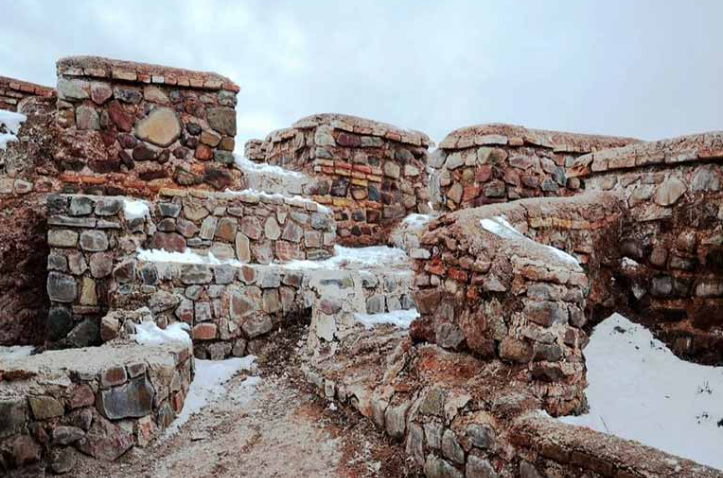
UNESCO recognized the property for its remarkable adaptation to the challenging mountainous landscape, including sophisticated defensive architecture, water-management systems, communication routes and strategic spatial planning.
Alamut Castle historically served as the headquarters of the Nizari Ismaili state and is widely regarded as one of the most formidable fortified complexes in Iranian history.
The UNESCO inscription further underscores the architectural, engineering and historical significance of Iran’s medieval mountain fortifications and places Alamut among the country’s most important internationally recognized cultural heritage sites.
BY: The Times Union