- Tehran and Muscat Continue Consultations as Strategic Waterway Remains at the Centre of Regional Tensions
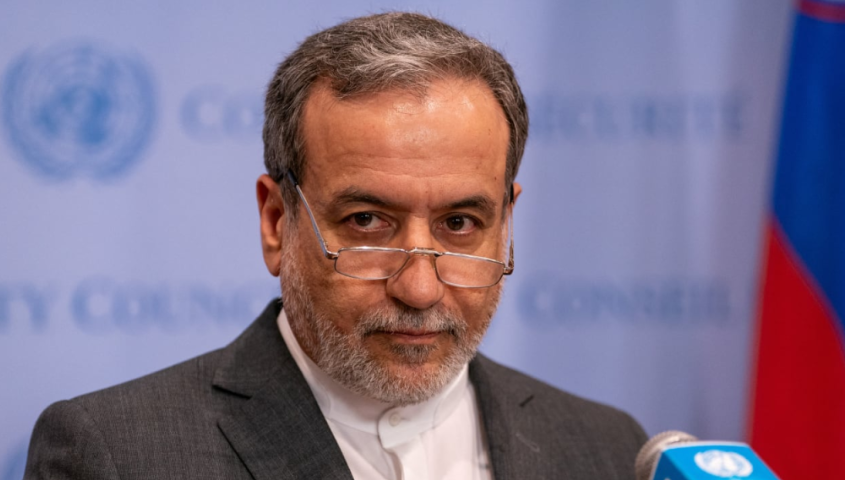
TEHRAN: Iranian Foreign Minister Abbas Araghchi is scheduled to visit Oman on Saturday for high-level discussions focused on the Strait of Hormuz and maritime security, Iran’s state media reported.
According to the official IRNA news agency, the talks will concentrate on developments in the strategically important waterway and efforts to ensure the safety of international shipping.
Foreign Ministry spokesman Esmaeil Baghaei said the visit forms part of an ongoing series of consultations between Tehran and Muscat.
“The discussions will focus on the Strait of Hormuz and shipping safety and are a continuation of the consultations we have held with Oman over the past one to two months,” Baghaei said.
Strait of Hormuz Remains a Key Flashpoint
The Strait of Hormuz has emerged as a central point of dispute between Iran and the United States following the conflict that erupted after military operations launched by the United States and Israel in late February.
Although a ceasefire agreement took effect on April 8, tensions have persisted, with repeated incidents linked to security and navigation in the strategic maritime corridor.
The narrow waterway serves as one of the world’s most critical energy routes, carrying nearly one-fifth of global oil and liquefied natural gas shipments.
Tehran Reasserts Position on Maritime Control
Iran has maintained that it should exercise greater control over the Strait of Hormuz and has proposed imposing transit fees on commercial vessels using the route.
Before the conflict, Iran did not exercise such authority. While the strait passes through the territorial waters of both Iran and Oman, international maritime law generally guarantees the right of transit passage, preventing coastal states from blocking navigation or imposing tolls on vessels engaged in international transit.
Saturday’s meeting in Oman is expected to explore ways to reduce tensions and address maritime security concerns in one of the world’s most strategically important shipping lanes.
BY: The Times Union