- How a Christian king’s justice and sacrifice saved the cradle of Islam and changed the course of history
Love for Ethiopia is not a choice . It is a debt. And for every Muslim who knows the painful early days of Islam, that debt must be honored with the heart, the tongue, and even the wallet.
More than 1,400 years ago, when the light of Islam first flickered in the dark alleys of Makkah, the believers walked under the shadow of death. They were not generals or traders. They were the poor, the weak, and the enslaved. Their lives belonged to their masters. Their faith belonged to Allah alone – and that was a crime punishable by torture and murder.
The Quraysh lords burned, beat, and buried alive those who dared to say La ilaha illallah (There is only one God). The Prophet Muhammad (peace be upon him) saw his companions bleeding in the scorching heat of persecution. It was then that he gave an unforgettable command:
“Go to Habsha (Ethiopia). There is a king under whose rule no one is wronged. It is a land of truth and justice. Stay there until Allah grants us relief.”
The King Who Chose Justice Over Gold
That king was Negash (Najashi), the Christian ruler of Ethiopia. He had never met the Prophet. He had never heard the Quran. But he was a man who knew one thing: justice is above every treasure.
The Quraysh of Makkah were not foolish. They knew the power of trade. Ethiopia and Arabia shared strong business ties. So they sent two of their most eloquent representatives, Amr bin Al-Aas and Abdullah bin Abi Rabiah, with expensive gifts for the king and his bishops. Their demand was simple: “Return these runaway rebels to us. They have abandoned the religion of their forefathers and speak against our gods.”
The king listened. Then he called the Muslims led by Ja’far ibn Abi Talib, the cousin of the Prophet. Ja’far stood before the throne of a mighty king and recited verses from Surah Maryam – the chapter of the Quran about Mary, the mother of Jesus.
The king wept. His beard became wet with tears
“These words and the words of Jesus have come from the same divine light. Go in peace. No one will harm you in my land.” King Nejashi
The gifts of Quraysh were returned. The business relationship was broken. And the economy of Ethiopia suffered. But King Negash did not flinch. He chose faith over profit. He chose the oppressed over the powerful.
The First Azan and the Debt of Bilal
Among those who found shelter in Ethiopia was Bilal ibn Rabah – a black slave who was dragged through the streets of Makkah with a heavy stone on his chest because he said Ahadun Ahad (God is One). If King Negash had surrendered the Muslims, Bilal would have been returned to a life of torture. There would have been no Bilal. And without Bilal, there would have been no first Azan in Medina. The voice that still echoes across minarets every single day would have been silenced before it was born.
Islam became the world’s largest religion not only by the sword of Khalid bin Walid but also by the justice of a Christian king in the highlands of Ethiopia.
A Holy Tomb for the Muslim World
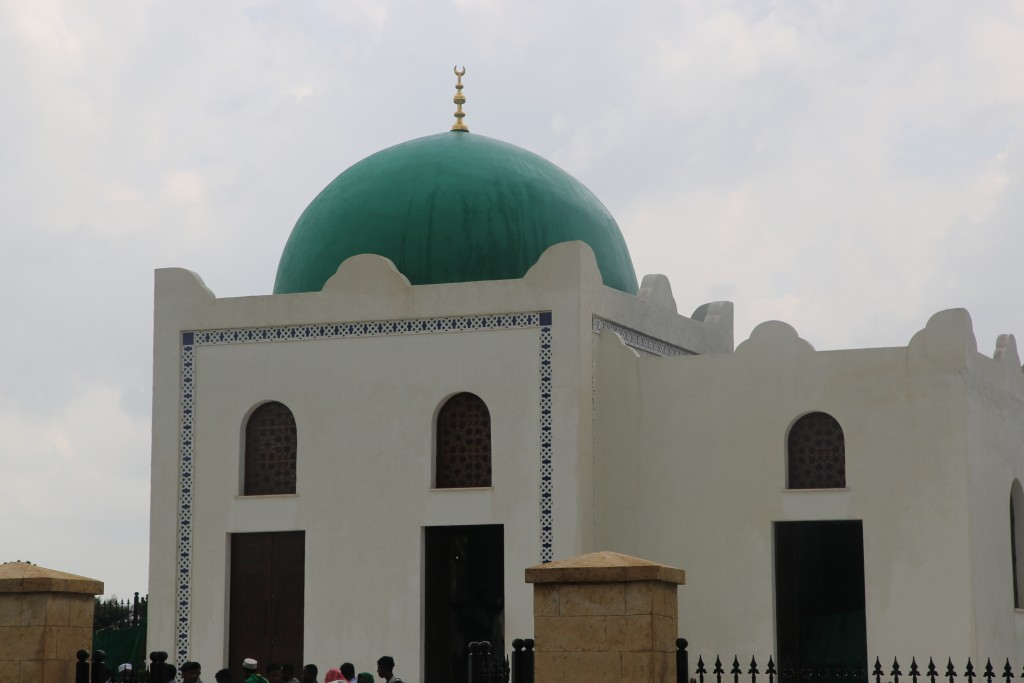
King Negash passed away in the Christian faith, but the Prophet Muhammad (peace be upon him) announced his death the same day in Medina and offered the funeral prayer in absentia – an honour rarely given to anyone outside the Muslim community. His tomb lies in Ethiopia. And for Muslims around the world, that grave is not just a historical site. It is a spiritual landmark. It belongs alongside Makkah and Medina in the geography of the Islamic heart.
A Call to Muslim Businessmen, Especially in Pakistan
Today, Ethiopia faces economic challenges. Its tourism industry remains underdeveloped. Its coffee, pulses, oilseeds, textiles, and leather products do not receive the visibility they deserve in Muslim markets.
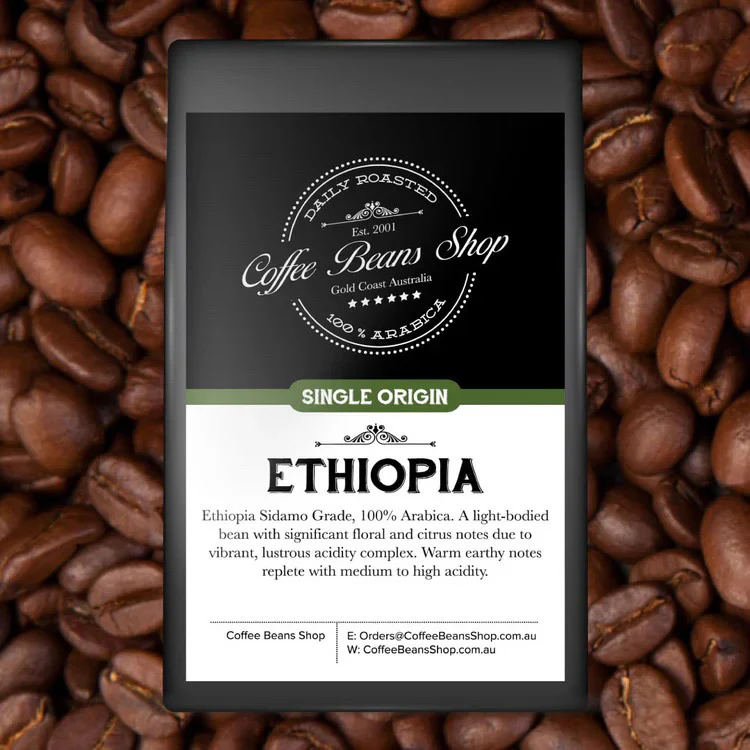
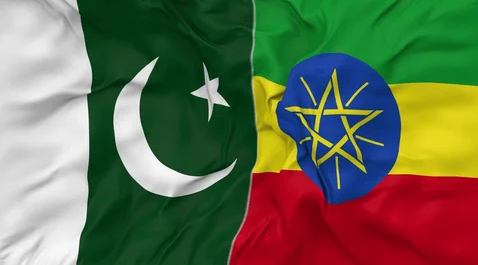
Every Muslim businessman – especially in Pakistan – has a religious and moral duty to promote Ethiopian products. Ethiopian coffee must be available in every general store in Karachi, Lahore, and Islamabad. Ethiopian honey, sesame, and handicrafts must be displayed with pride. Ethiopian tourism must be marketed as a spiritual journey for every Muslim who wants to walk on the land that once became the womb of Islam.
Muslim pray five times a day. But gratitude is not only in prostration. It is in action. It is in trade. It is in promotion. It is in remembering that had King Negash bowed to the pressure of Quraysh, the story of Islam would have ended before it truly began.
Today, we are Muslims because of Ethiopia and its great king.
Let every Muslim store around the world carry Ethiopian products as a mark of respect. Let every Muslim traveller book a ticket to Ethiopia as a pilgrimage of thanks. And let every Muslim heart carry love for this great country until the end of time.
BY: Writer Nadeem Faisal Baiga is the Editor-in-Chief of The Times Union
Disclaimer: Views expressed by writers in this section are their own and do not necessarily reflect The Times Union‘ point of view