- Air Traffic Surge Reflects Morocco’s Rising Global Influence
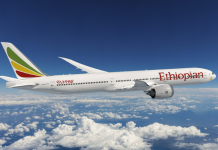
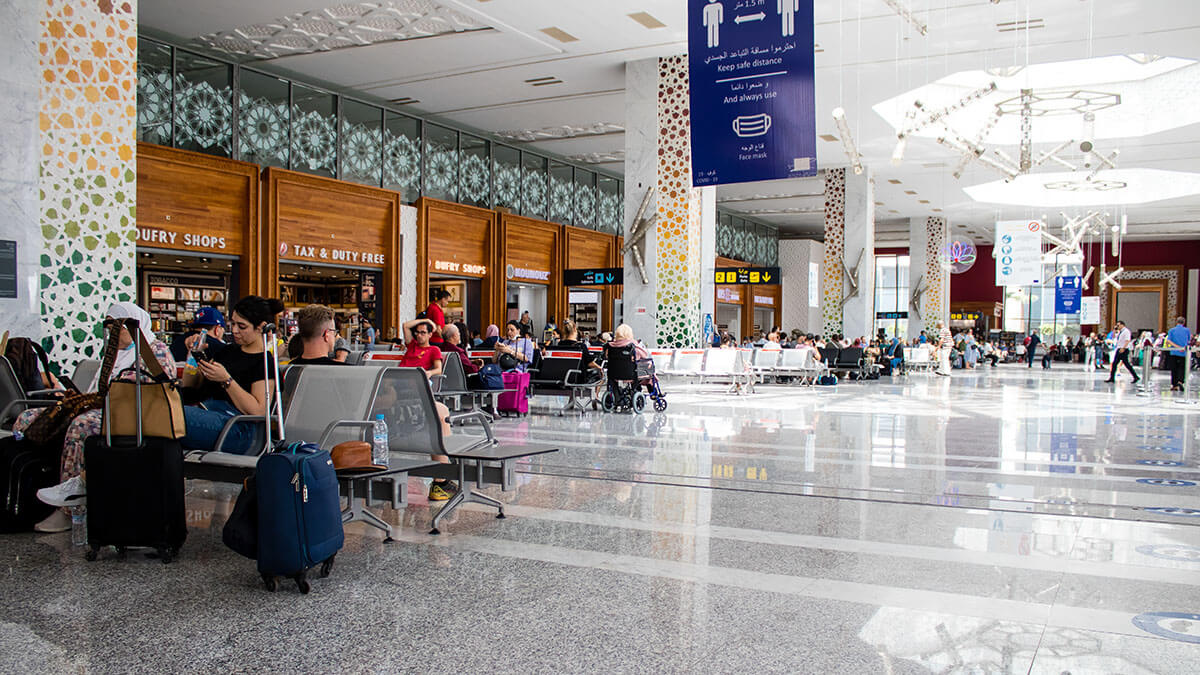
RABAT — Morocco’s aviation sector achieved another milestone in 2025, with the Kingdom’s airports handling a record 36.3 million passengers, representing an impressive 11 percent increase compared to the previous year.
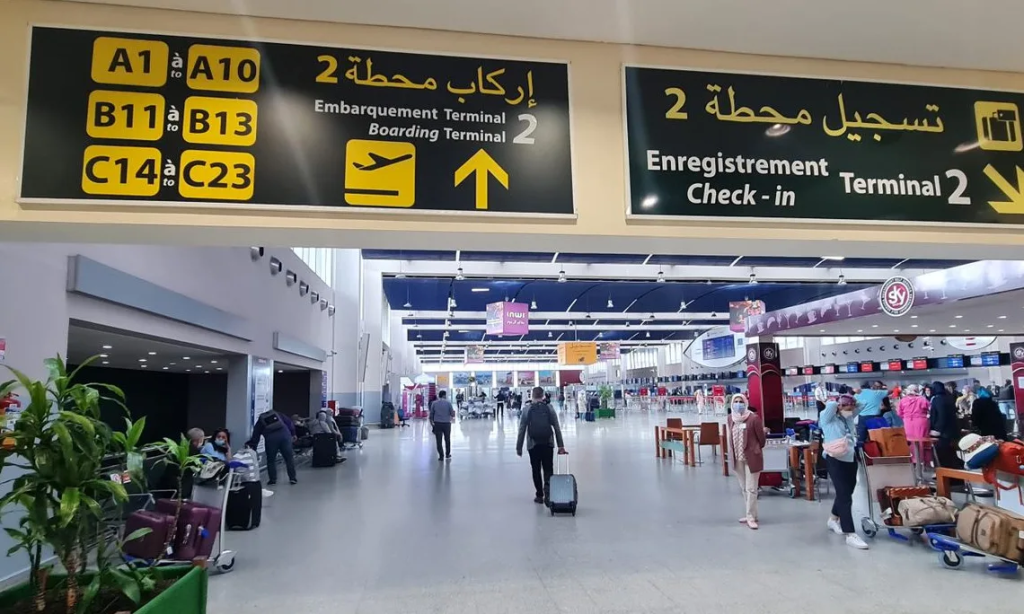
The announcement was made by Morocco’s Minister of Transport and Logistics, Abdessamad Kayouh, during the board meeting of the National Airports Office (ONDA), held in the presence of ONDA Director General Adel El Fakir.
The strong growth highlights Morocco’s accelerating transformation into a major international gateway linking Africa, Europe, the Middle East, and the Americas, while reinforcing the Kingdom’s position as a strategic hub for tourism, logistics, business, and global sporting events.
International passenger traffic remained the primary driver of growth, reaching 32.4 million travelers, while domestic air traffic also continued its recovery with 3.9 million passengers recorded during the same period.
Aircraft movements increased by 9 percent to nearly 265,000 flights, while air cargo volumes approached 100,000 tons, underlining Morocco’s expanding role in global trade and transportation networks.
King Mohammed VI’s Vision Driving Morocco’s Global Rise
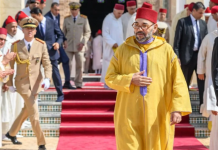
The remarkable performance of Morocco’s aviation sector reflects the broader economic and infrastructural transformation launched under the leadership of King Mohammed VI, whose long-term vision has positioned the Kingdom as one of the most stable, modern, and competitive nations in Africa and the Arab world.
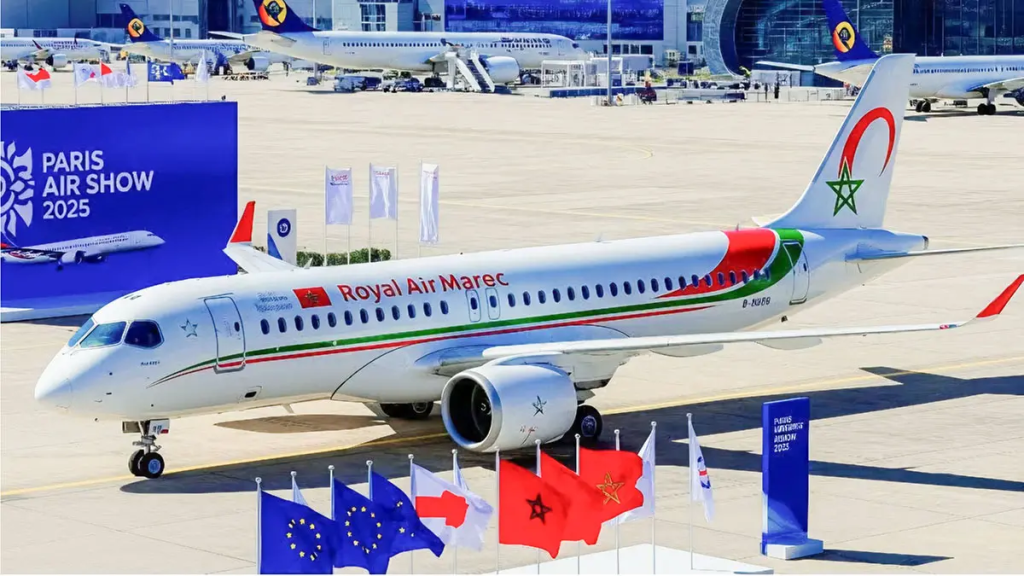
Over the past two decades, Morocco has invested heavily in modern airports, high-speed rail, highways, renewable energy, tourism infrastructure, industrial zones, and logistics platforms aimed at making the country a regional and international economic powerhouse.
The rapid expansion of airports across Casablanca, Marrakech, Rabat, Agadir, Tangier, Fez, Dakhla, and Laayoune has significantly strengthened Morocco’s tourism sector while supporting the Kingdom’s ambitions to host major international sporting and diplomatic events.
Morocco’s growing international connectivity also reflects increasing global confidence in the country’s political stability, investment climate, and strategic location.
Tourism Boom Strengthens Morocco’s International Appeal
The continued rise in passenger traffic comes amid a major tourism boom that has seen Morocco emerge as one of the world’s fastest-growing travel destinations.
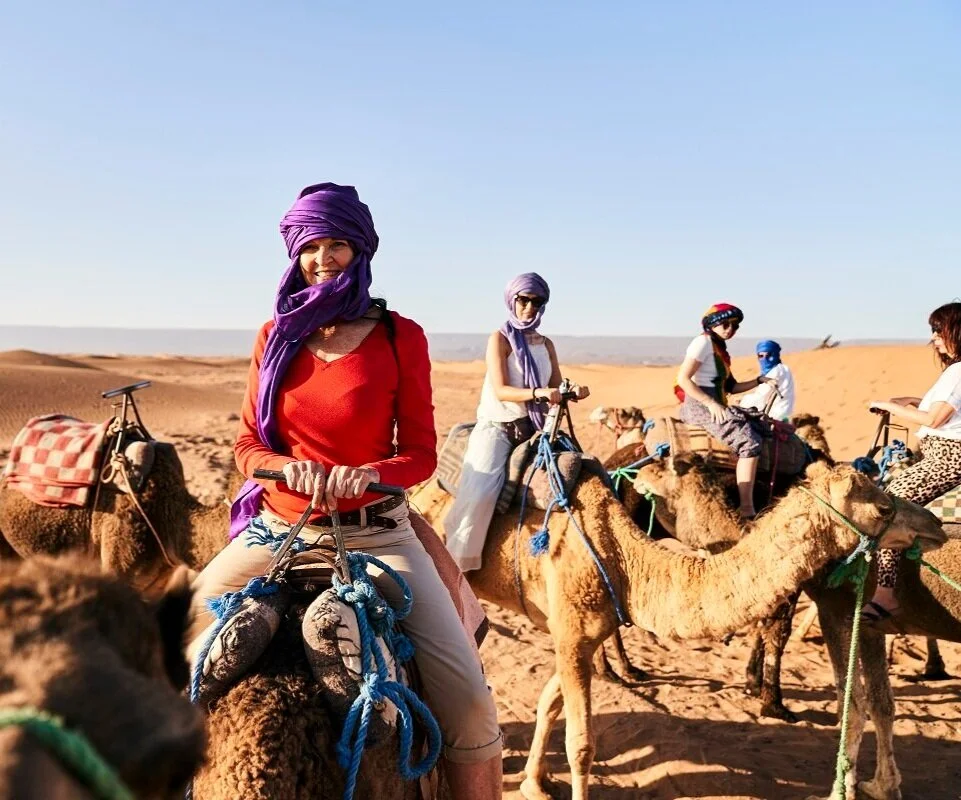
From the historic medinas of Marrakech and Fez to the Atlantic coastline, Sahara Desert, Atlas Mountains, and modern cities such as Casablanca and Tangier, Morocco continues to attract millions of tourists seeking cultural heritage, luxury travel, adventure tourism, and business opportunities.

The Kingdom’s tourism development strategy, strongly supported by King Mohammed VI, has focused on modernizing infrastructure, expanding air connectivity, promoting sustainable tourism, and enhancing Morocco’s global image as a safe and attractive destination.
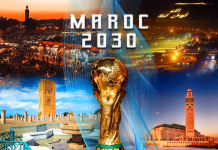
Preparations for major global events, including the 2030 FIFA World Cup co-hosted with Spain and Portugal, are expected to further accelerate investments in airports, transportation, hospitality, and urban development.
Morocco’s Sporting Achievements Elevate National Prestige
Morocco’s growing global visibility has also been fueled by its historic achievements in international sports.
The Atlas Lions’ historic run to the semifinals of the 2022 FIFA World Cup in Qatar marked the best-ever performance by an African and Arab nation, dramatically boosting Morocco’s international reputation and inspiring a new generation across the region.
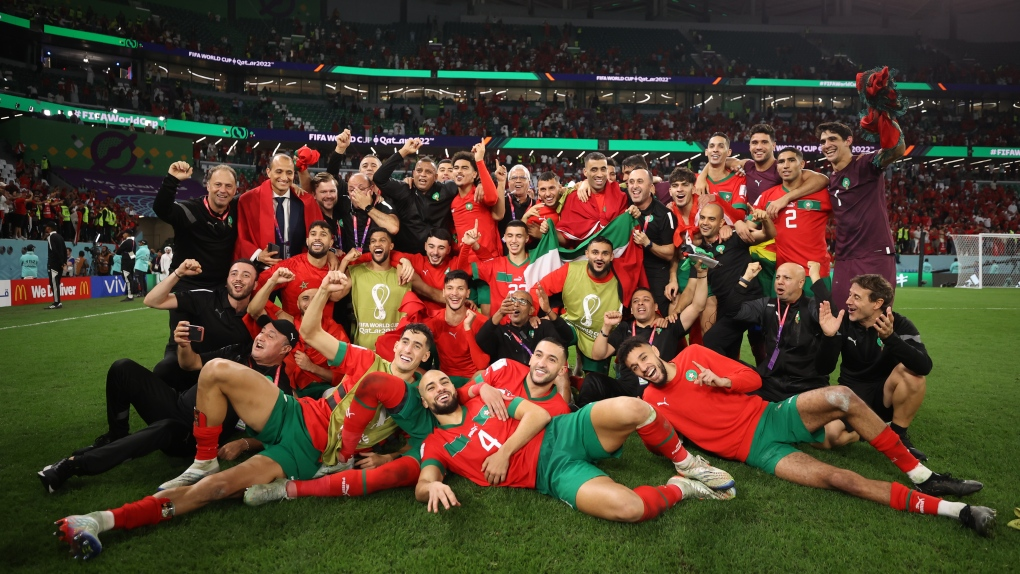
The Kingdom has since intensified investments in sports infrastructure, youth development, and international sporting partnerships as part of a broader national strategy to position Morocco as a leading global sports destination.
Morocco is increasingly hosting major continental and international competitions while preparing to deliver one of the most ambitious sporting events in Africa’s history during the 2030 World Cup.
Morocco Emerges as Africa’s Automotive and Industrial Leader
Alongside tourism and aviation, Morocco has also become Africa’s leading automotive manufacturing hub.
Major global carmakers have expanded operations in the Kingdom, benefiting from Morocco’s advanced logistics networks, industrial infrastructure, renewable energy strategy, and access to European and African markets.
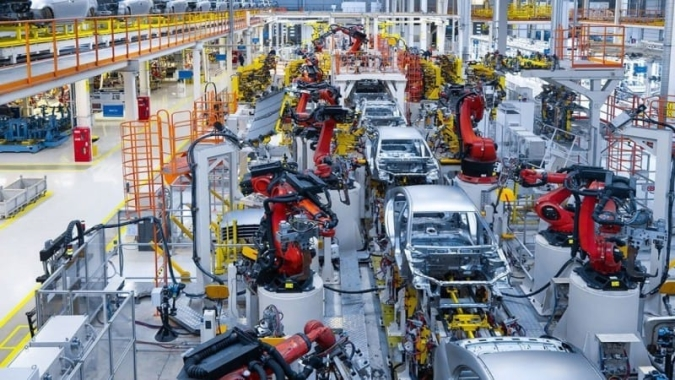
The automotive industry now represents one of Morocco’s most important export sectors, reinforcing the country’s growing status as a regional industrial powerhouse.
Combined with advances in aerospace, renewable energy, and digital innovation, Morocco’s economic diversification strategy continues to attract substantial international investment.
Diplomatic Successes Strengthen Morocco’s International Standing
Morocco’s growing economic influence has been matched by significant diplomatic achievements under the leadership of King Mohammed VI.
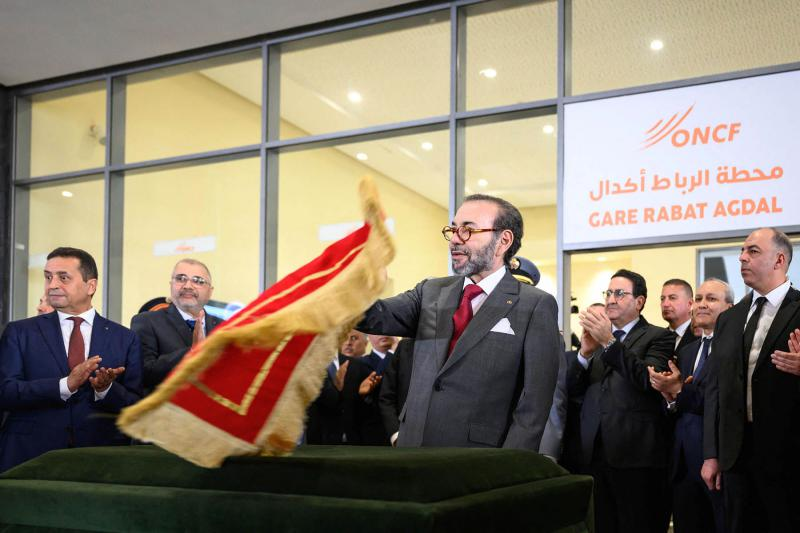
The Kingdom has strengthened strategic partnerships with major international powers while expanding its influence across Africa, Europe, the Gulf region, and the Americas.
In recent years, Morocco has secured increasing international support for its autonomy initiative regarding the Sahara region, with several countries backing Rabat’s proposal as a serious and credible solution to the regional dispute.
The opening of diplomatic representations in Laayoune and Dakhla by numerous countries has further reinforced Morocco’s diplomatic momentum and growing international recognition of its sovereignty efforts.
Morocco’s active diplomatic engagement, combined with its political stability and economic reforms, has enhanced the Kingdom’s reputation as a reliable regional partner and a bridge between continents.
Strong Financial Results Reinforce ONDA’s Expansion Strategy
Financially, ONDA reported revenues of MAD 5.8 billion ($630 million) in 2025, marking a 9 percent increase, while net profits climbed 16 percent to approximately MAD 1.3 billion ($141 million).
Minister Kayouh said the strong results demonstrate the resilience and financial strength of the National Airports Office despite rising infrastructure and financing costs linked to large-scale modernization projects.
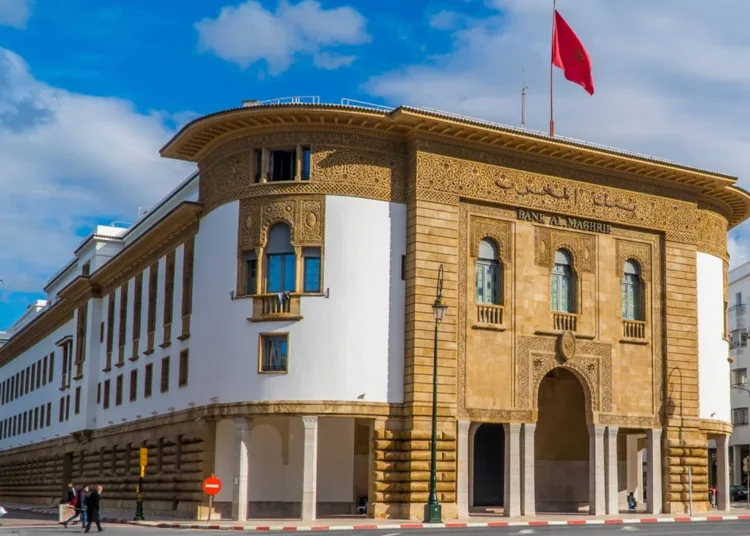
“These results demonstrate the resilience of the Office and its capacity to maintain investment momentum in major projects,” the minister stated.
Kayouh also highlighted ongoing institutional reforms, particularly ONDA’s transition into a joint-stock company, describing the move as a major step toward enhancing governance standards, managerial efficiency, and long-term competitiveness.
As Morocco continues its ambitious modernization drive, the Kingdom’s aviation growth stands as another powerful indicator of the country’s emergence as a leading destination for tourism, investment, sports, diplomacy, and economic development across Africa and the wider international arena.
BY: The Times Union