- Weather Agency Forecasts Increased Risk of Heatwaves, Droughts, and Extreme Rainfall Across Multiple Regions
GENEVA: The World Meteorological Organization (WMO) has warned that a moderate to potentially strong El Niño event is developing and could significantly increase global temperatures while intensifying extreme weather conditions in the months ahead.
According to the UN weather agency, warming sea surface temperatures across the central and eastern Pacific Ocean are driving the formation of El Niño, a naturally occurring climate phenomenon that typically lasts between nine and 12 months and has far-reaching impacts on weather patterns worldwide.
Above-Average Global Temperatures Expected
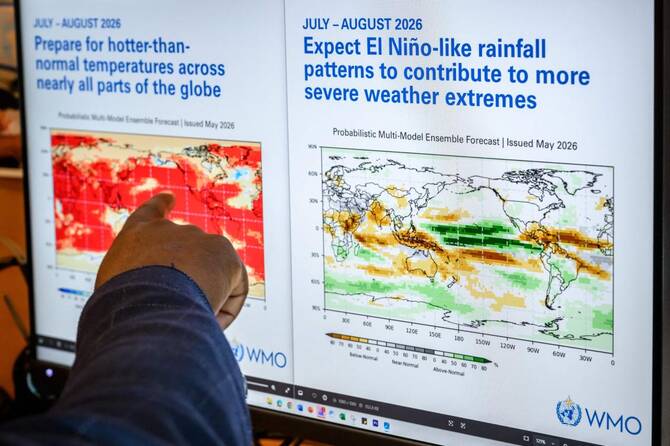
The WMO forecasts above-average temperatures across much of the world from June through August and says El Niño conditions are likely to persist until at least November.
“We need to prepare for a potentially strong El Niño event, which will exacerbate drought and heavy rainfall and increase the risk of heatwaves both on land and in the ocean,” said Celeste Saulo.
The agency noted that warm ocean waters are continuing to fuel the phenomenon, with sea surface temperatures in the Equatorial Pacific rising rapidly between late April and mid-May—an indication that El Niño conditions are strengthening.
Subsurface Ocean Heat Signals Growing Climate Impact
Scientists have also detected exceptionally warm subsurface conditions across the tropical Pacific, with temperatures more than 6 degrees Celsius above average in some areas. The WMO said this vast reservoir of heat is contributing to rising ocean surface temperatures and increasing the likelihood of a sustained El Niño event.
The previous El Niño cycle in 2023–24 played a significant role in making 2024 the hottest year ever recorded globally, according to Saulo.
Potential for Extreme Weather Worldwide
El Niño is known for disrupting regional climate patterns and triggering extreme weather events across multiple continents.
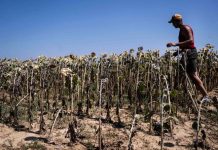
The WMO said the phenomenon could bring heavier-than-normal rainfall to parts of southern South America, the southern United States, the Horn of Africa, and Central Asia. At the same time, it may increase the risk of drought in Australia, Central America, Indonesia, and parts of southern Asia.
The climate pattern can also contribute to stronger tropical storms and hurricanes in the central and eastern Pacific Ocean while amplifying global warming trends.
UN Chief Calls for Urgent Climate Action
Reacting to the forecast, António Guterres described the emerging El Niño as a serious warning for the international community.
“The world must treat it as the urgent climate warning it is. El Niño conditions will pour fuel on the fire of a warming world,” Guterres said, renewing calls for a faster transition away from fossil fuels and toward renewable energy sources.
Climate Change Amplifies Impacts
While scientists have found no conclusive evidence that climate change directly increases the frequency or intensity of El Niño events, the WMO emphasized that global warming can magnify their consequences.
Higher background temperatures can intensify associated impacts, including severe heatwaves, extreme rainfall, flooding, and prolonged droughts, increasing risks for communities, agriculture, water resources, and ecosystems worldwide.
As El Niño conditions continue to develop, climate experts are urging governments and disaster-response agencies to strengthen preparedness measures and monitor evolving weather patterns closely in the months ahead.
BY: The Times Union