- CENTCOM strikes Iranian tankers while Iran seizes Chinese-owned vessel carrying crude, fires missiles and drones at UAE; Vance meets with Qatari PM in DC to discuss Iran talks
Fresh “sporadic clashes” broke out Friday between Iranian and US naval forces in the Strait of Hormuz, according to Iranian state media, marking the latest flare-up despite a monthlong ceasefire between Washington and Tehran.
The fighting came as US Secretary of State Marco Rubio said Washington expected a response from Tehran on Friday to its latest proposal.
“For the last hour, sporadic clashes have taken place between the Iranian armed forces and American vessels in the Strait of Hormuz,” Iran’s semi-official Fars news agency reported.
Fox News, citing a senior US official, said the American military on Friday struck several empty Very Large Crude Carriers (VLCC) that allegedly attempted to violate the blockade on the Strait of Hormuz.
US Central Command later confirmed US forces hit two empty Iranian-flagged oil tankers and disabled a third vessel on Wednesday.
“All three vessels are no longer transiting to Iran,” CENTCOM said in a post on X.
The command also said more than 70 tankers were being prevented from entering or leaving Iranian ports.
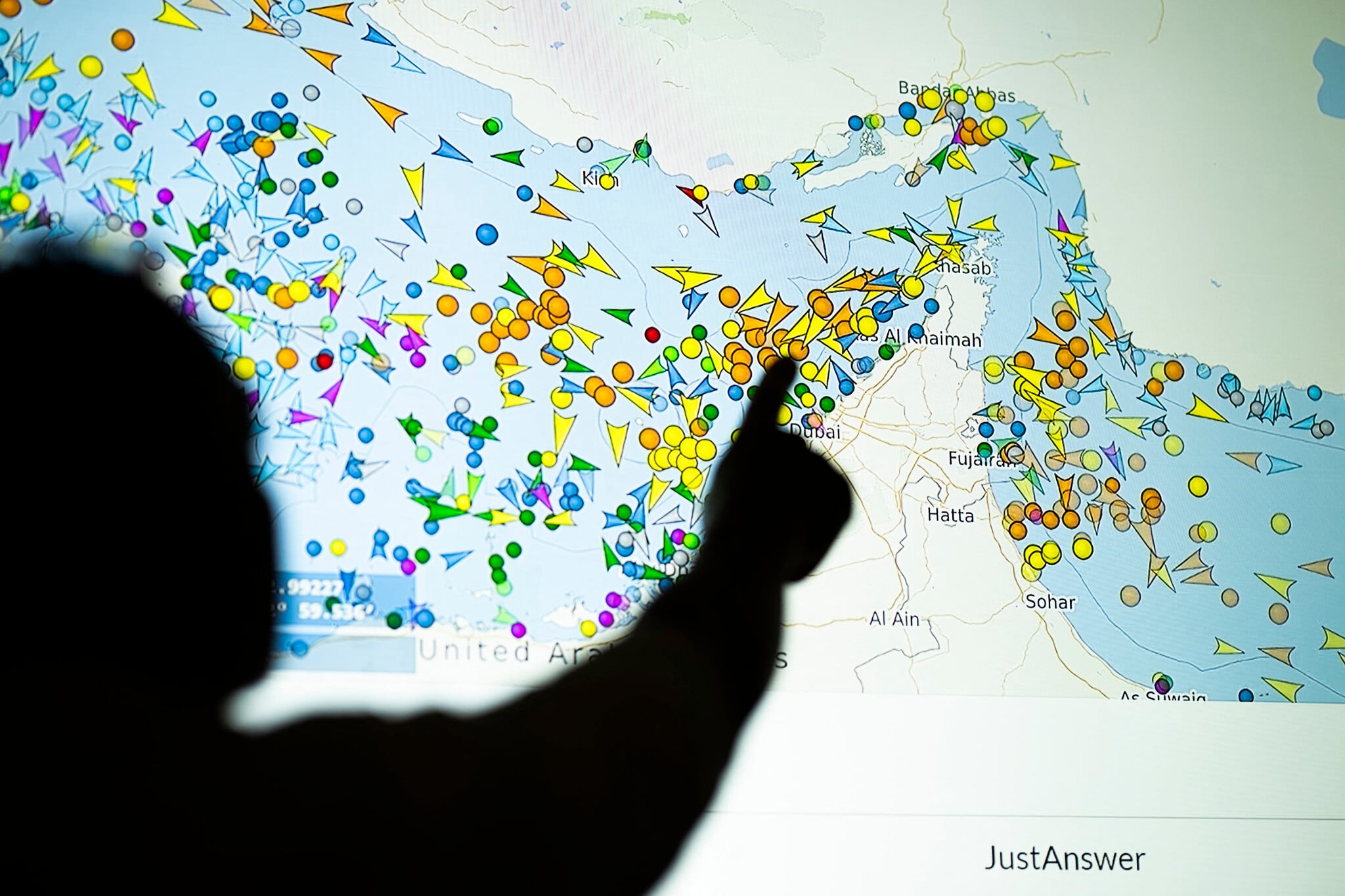
large screen displaying vessel movements in the Strait of Hormuz on a
ship-tracking website.
“These commercial ships have the capacity to transport over 166 million barrels of Iranian oil worth an estimated $13 billion-plus,” CENTCOM said.
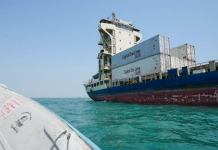
Additionally, Iran announced it seized what it called a US-sanctioned oil tanker carrying Iranian crude in the Sea of Oman, which reports said is Chinese-owned.
“The Islamic Republic of Iran’s navy, through a specially planned operation in the Sea of Oman, seized the offending tanker Ocean Koi,” the Iranian army said in a statement carried by state television, adding that the vessel had sought “to damage and disrupt Iran’s oil exports.”
Meanwhile, the United Arab Emirates said Iran fired two ballistic missiles and three drones at the country since midnight Friday, moderately wounding three people.
According to the Emirati Defense Ministry, 13 people have been killed and 230 wounded in the UAE since the US-Israel war with Iran began on February 28.
The incidents on Friday came a day after the United States and Iran exchanged fire, in the most serious test yet of the fragile truce reached after the US-Israeli war against the Iranian regime began in late February.
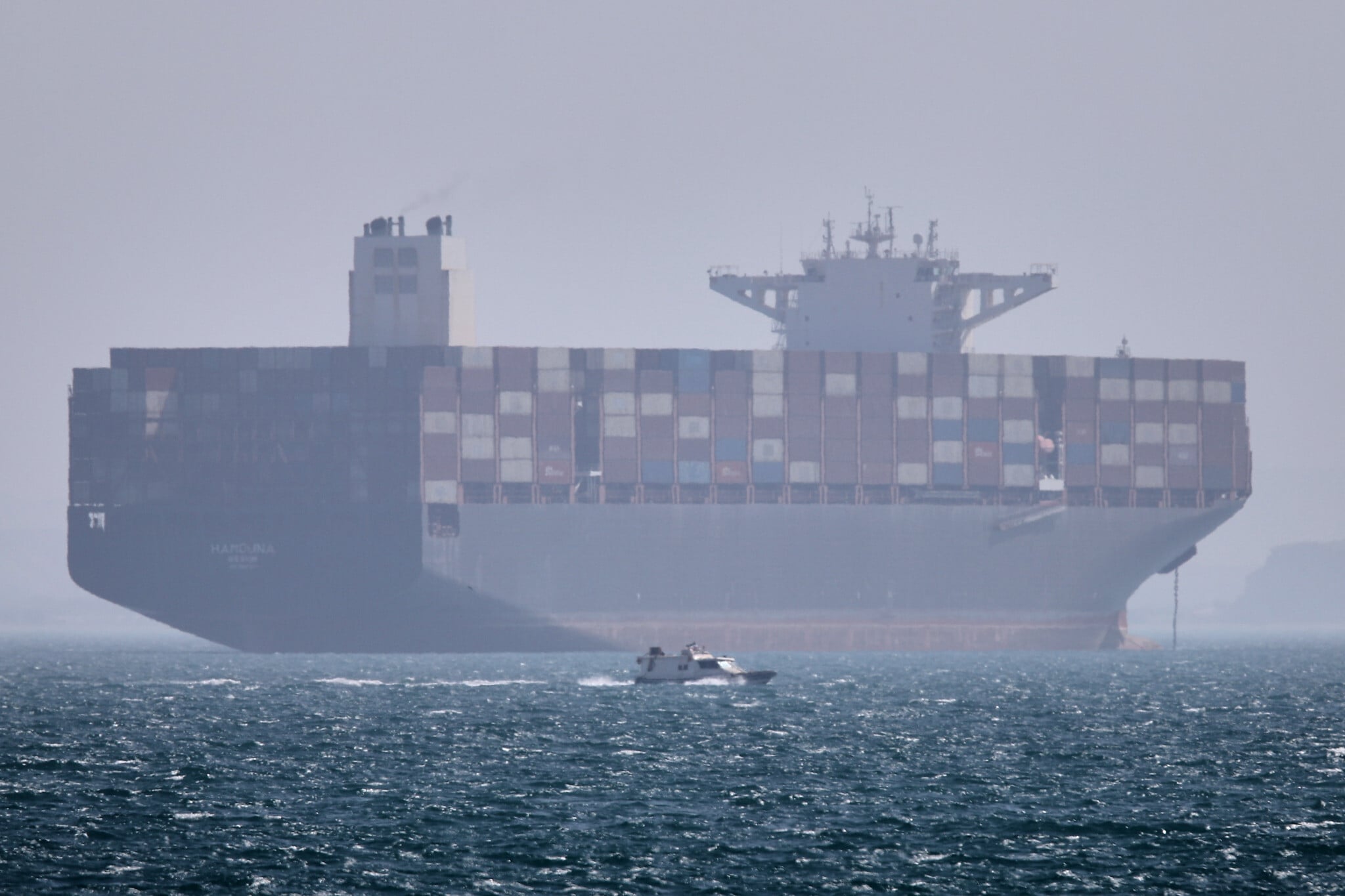
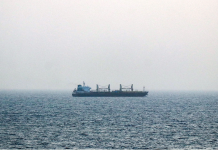
the Strait of Hormuz off Bandar Abbas, Iran, May 2, 2026.
CENTCOM confirmed overnight that it carried out “self-defense” strikes in Iran in response to “unprovoked Iranian attacks” against US Navy missile destroyers that transited the Strait of Hormuz to the Gulf of Oman, which Tehran claimed violated international law and the ceasefire.
“The action carried out last night was both a blatant violation of international law and a breach of the ceasefire,” Iranian Foreign Ministry spokesman Esmaeil Baqaei said, according to the ISNA news agency.
“At the same time, the country’s defenders delivered a ‘major slap’ to the enemy and repelled the enemies’ aggression with full force,” he added.
Despite the fighting, Trump told ABC on Thursday the truce was still “in effect.” But in a social media post, he threatened Iran with further strikes if it did not agree to a deal with the US.
Speaking Friday while visiting Rome, Rubio said Washington expected an imminent response from Tehran to its latest offer.
“We’ll see what the response entails. The hope is it’s something that can put us into a serious process of negotiation,” Rubio told reporters.
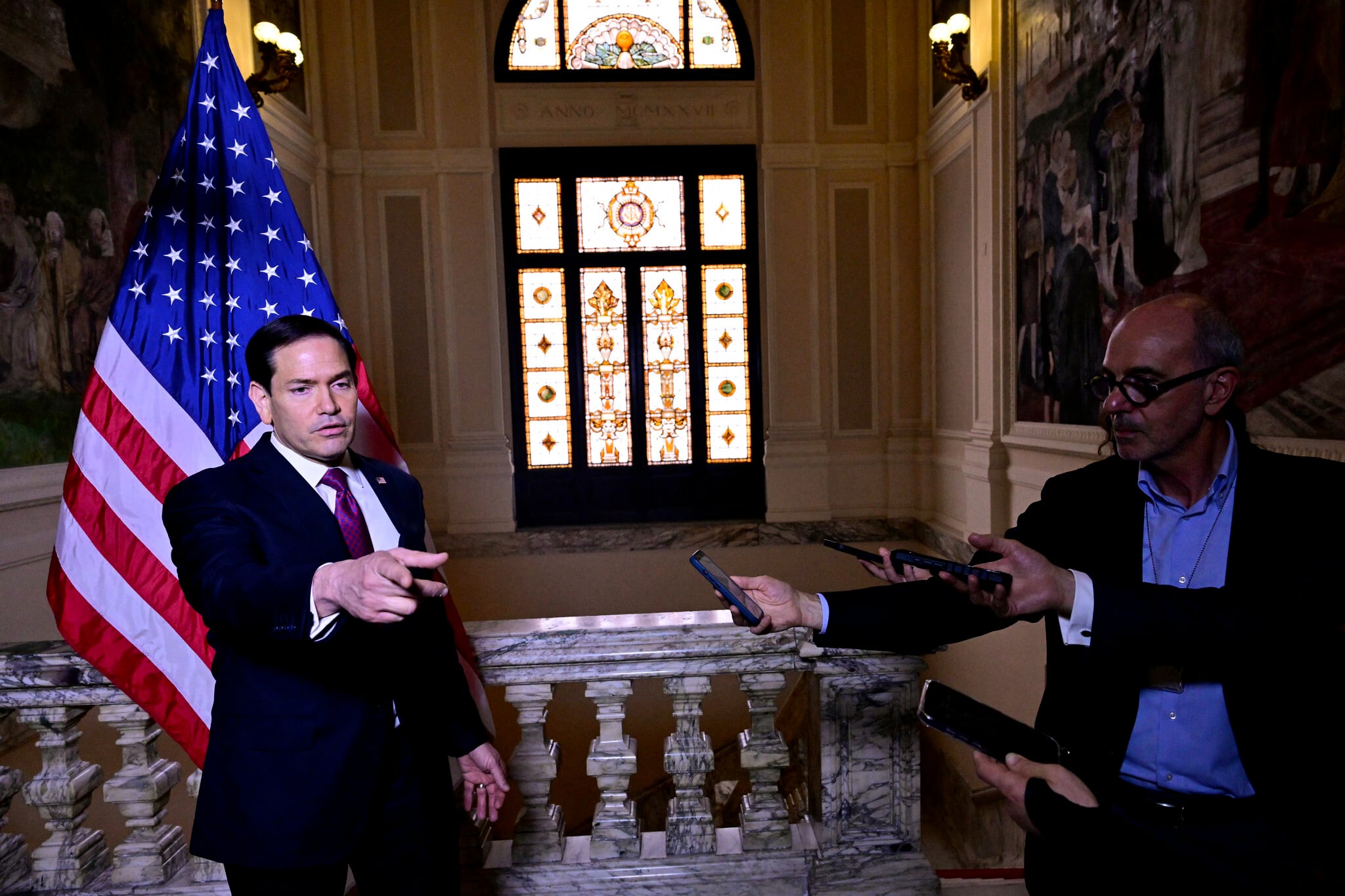
Rome on May 8, 2026.
Meanwhile, US Vice President JD Vance met at the White House with Qatari Prime Minister Mohammed bin Abdulrahman al-Thani, to discuss the ongoing Iran talks, a source familiar with the matter told The Times of Israel.
Qatar has been serving as a backchannel mediator in the talks between the US and Iran.
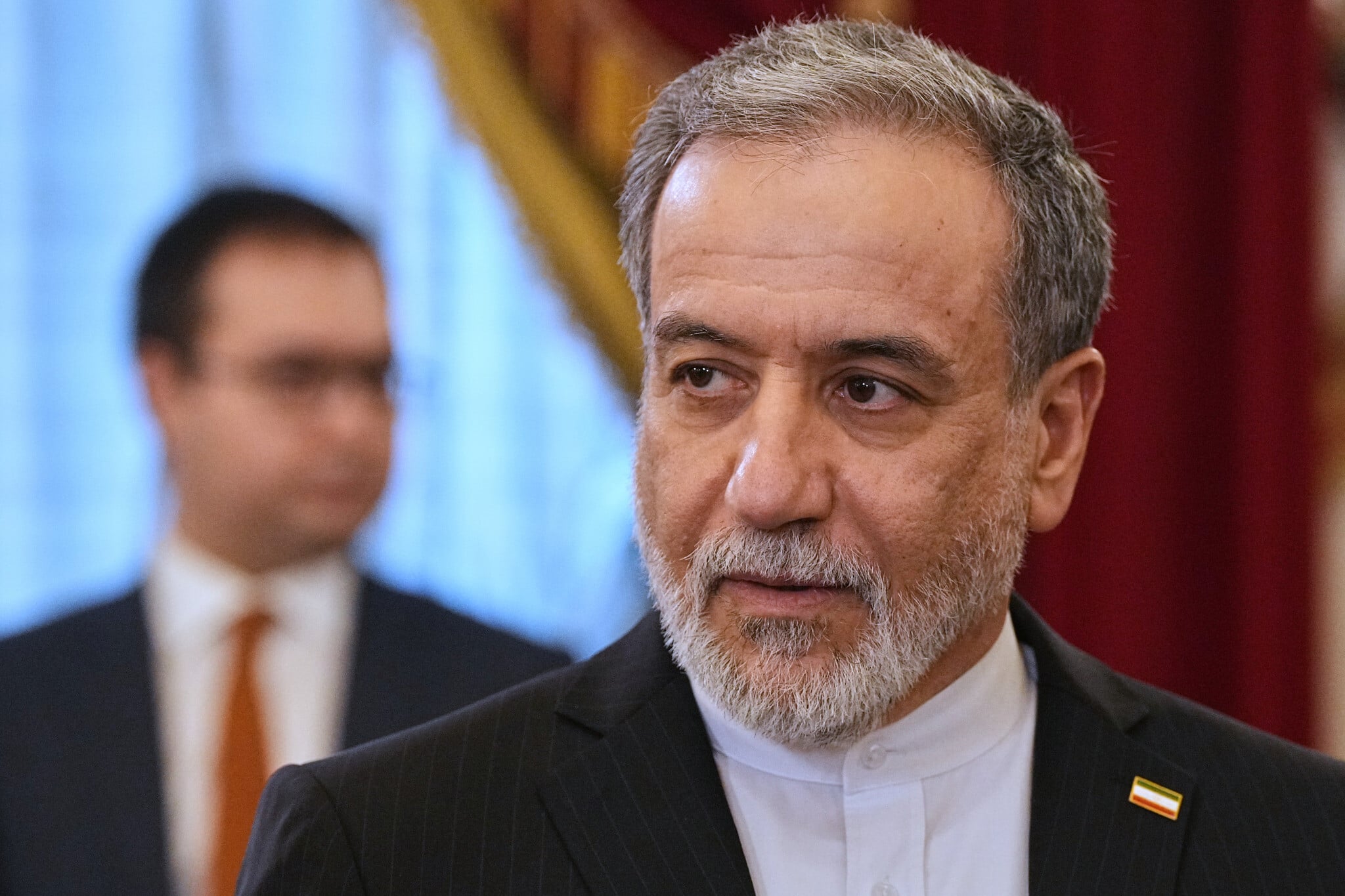
Iranian Foreign Minister Abbas Araghchi, however, accused the United States of abandoning diplomacy in favor of what he called a “reckless military adventure.”
“Is this a crude pressure tactic? Or the result of a spoiler once again duping POTUS into another quagmire,” Araghchi wrote on X. “Whatever the causes, the outcome is the same: Iranians never bow to pressure and diplomacy is always the victim.”
President Vladimir Putin at the Boris Yeltsin Presidential Library, in St. Petersburg,
Russia, April 27, 2026.
Araghchi also rejected a Washington Post report saying the CIA assessed Iran retained 75% of its pre-war ballistic missile stockpile, claiming that the levels were in fact much higher.
“The CIA is wrong. Our missile inventory and launcher capacity are not at 75% compared to Feb 28. The correct figure is 120%,” he wrote.
Hormuz tensions shake oil markets
The struggle over the Strait of Hormuz has increasingly become the central front in the broader confrontation between Iran and the United States.
An adviser to the supreme leader, Mohammad Mokhber, on Friday compared control of the strait to possessing an “atomic bomb.”
“The Strait of Hormuz represents an opportunity as precious as an atomic bomb,” Mokhber said in a video published by the Mehr news agency.
“Indeed, having in one’s hands a position that allows you to influence the global economy with a single decision is a major opportunity.”
He vowed Iran would not “forfeit the gains of this war” and suggested Tehran could seek to alter the legal regime governing the strait. Shipping journal Lloyd’s List separately reported that Iran had established an authority to approve transit through the strait and collect tolls.
The disruption has continued to send shockwaves through global shipping and energy markets.
The UN’s International Maritime Organization said around 1,500 ships and roughly 20,000 crew members were currently trapped in the Gulf because of the Iranian blockade.
“Right now, we have approximately 20,000 crewmen and around 1,500 ships trapped,” IMO Secretary-General Arsenio Dominguez said at the Maritime Convention of the Americas in Panama.
“Ten sailors have lost their lives” in more than 30 attacks on vessels, he later told reporters.
The IMO chief urged companies to avoid sending vessels to the Gulf so as not to increase the death toll among sailors or incur further economic losses.
The war has also severely disrupted global energy flows. Before the conflict, roughly one-fifth of the world’s oil and gas shipments passed through the Strait of Hormuz.
Oil prices rose again on Friday following the latest clashes. Brent crude climbed 1.1% to $101.13 a barrel, while US crude rose 0.7% to $95.47. Asian markets also retreated sharply amid fears of renewed escalation.
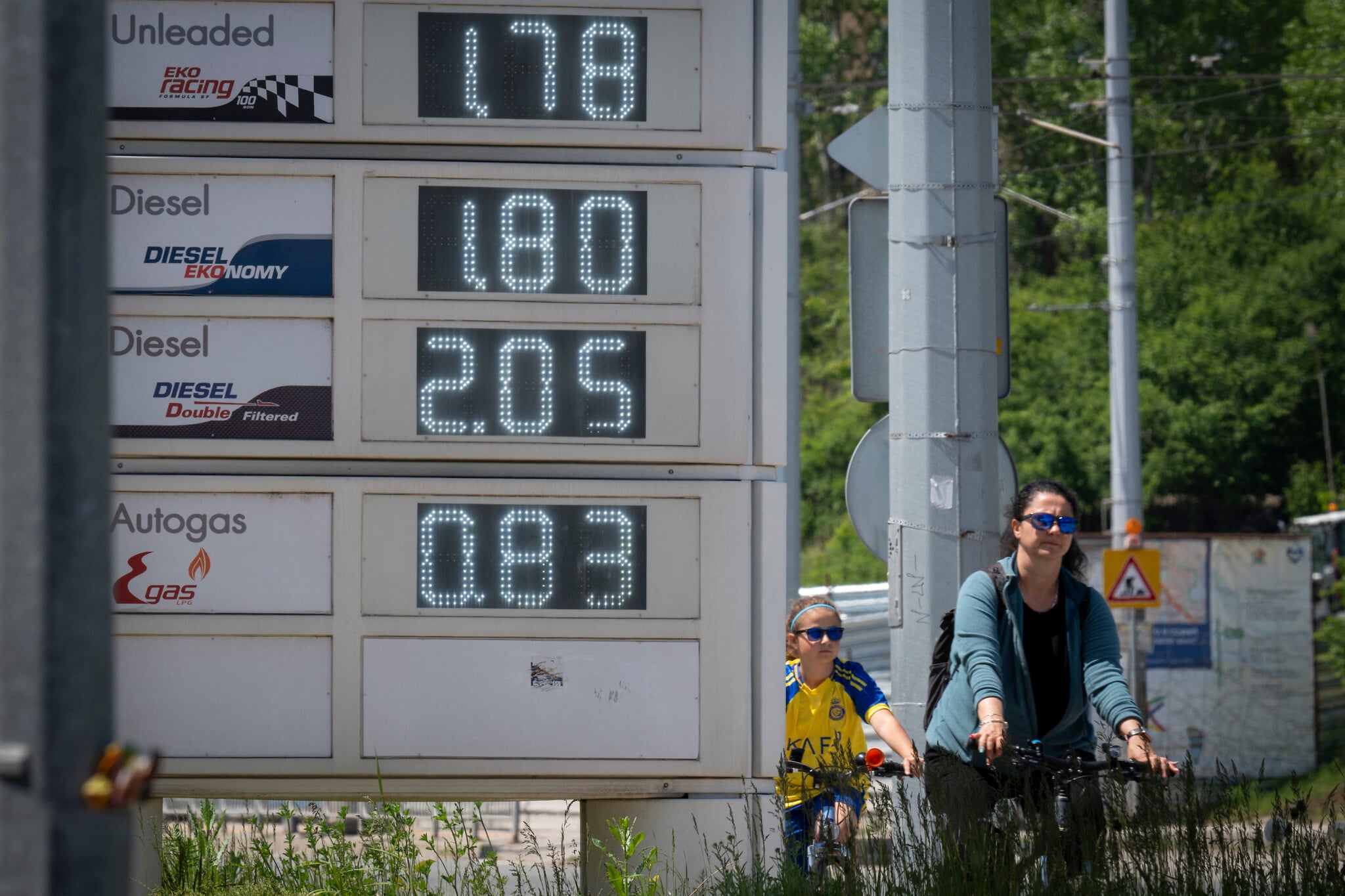
in Sofia on May 6, 2026.
Satellite imagery, meanwhile, appeared to show a major oil spill near Iran’s Kharg Island, the hub for roughly 90% of Iran’s oil exports, much of it destined for China.
Images from the Copernicus Sentinel satellites showed what researchers described as a gray-and-white slick spanning an estimated 45 square kilometers west of the island.
“The slick appears visually consistent with oil,” said Leon Moreland of the Conflict and Environment Observatory.
Analysts said it could be the largest spill since the war began 70 days ago, though the source remained unclear.
BY: Jacob Magid