- Zamir visits air base that welcomed three new F-35s into IAF arsenal; at Home Front Command earlier in week, IDF chief said Israel preparing for ‘surprise war
IDF Chief of Staff Lt. Gen. Eyal Zamir on Wednesday said the military was prepared to act against any enemy posing a threat to the country amid ongoing tensions with Iran.
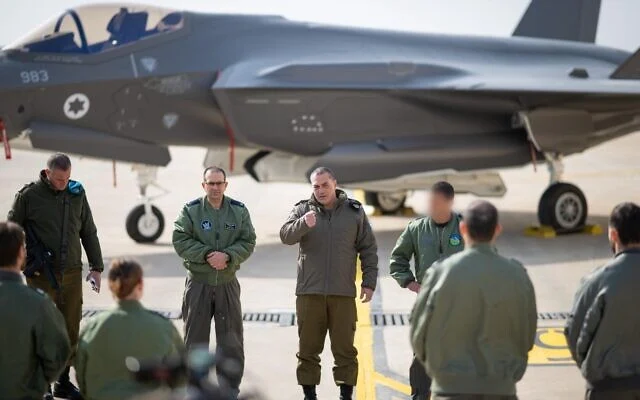
During a visit to the Nevatim Airbase in southern Israel, Zamir told Israeli Air Force pilots and air personnel that the military “will know how to strike powerfully in any arena against any enemy that threatens the security of the State of Israel,” according to remarks provided by the military.
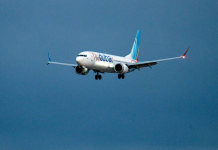
The base is home to the IAF’s F-35I stealth fighters. This week, three new F-35s joined the IAF’s arsenal, bringing its total to 48.
“The air force constitutes the IDF’s strategic arm. You have been at the forefront of the offensive and defensive effort in both near and distant arenas over the past two years of fighting,” Zamir said.
Zamir told the pilots that during the 12-day war with Iran in June, “you accumulated operational experience unparalleled anywhere in the world, and we will know how to draw lessons from it and use it to ensure the security of the State of Israel at all times.”
“We are prepared for various scenarios and continuously improve our capabilities in order to achieve victory in the overall campaign against our enemies. This is our responsibility and our mission,” he said.
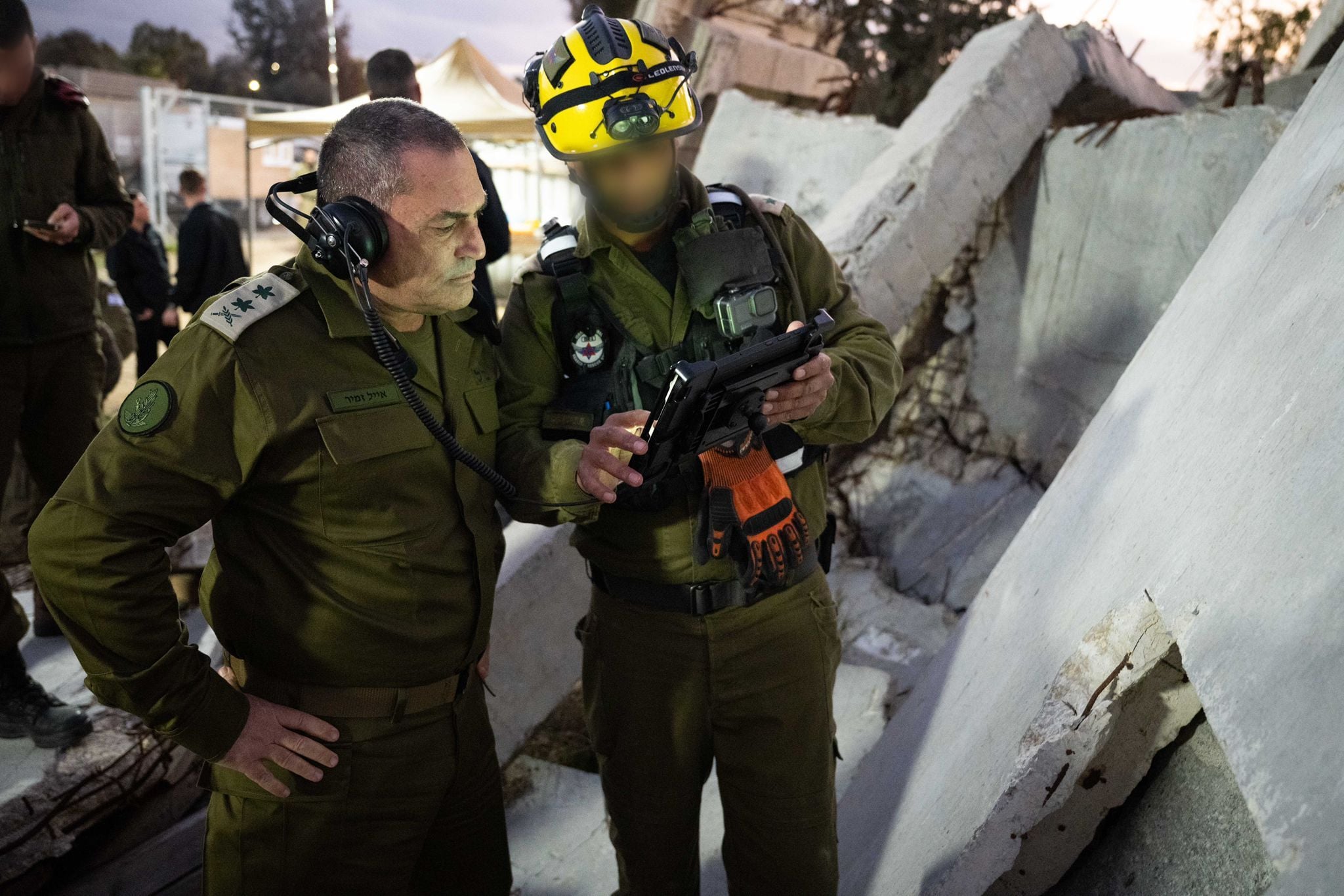
Command headquarters in Ramle, January 19, 2026.
During a visit to the Home Front Command on Monday, Zamir also said the military remains prepared for defense against “multifront threats,” in an apparent reference to Iran.
“In the face of the scope of the multifront threats to the State of Israel, the Home Front Command stands on defense, is competent, trained, and on high alert. The command is prepared at all times to employ a wide range of capabilities to contend with an attack on the civilian home front and to save lives,” Zamir said.
“At the same time, the IDF is prepared to employ an offensive capability unprecedented in its power against any attempt to harm the State of Israel,” he continued.
“We are prepared with full defense for any scenario,” Zamir said, adding that the lessons from the 12-day war against Iran in June have been implemented in the military, “and as part of this, the IDF is also preparing for the possibility of a surprise war.”
The comments came a week after tensions spiked in the region, after US President Donald Trump threatened to strike Iran if it killed anti-government protesters.
While he has since appeared to back down, claiming authorities had halted plans to execute hundreds of protesters, Trump is continuing to push his aides to devise what he calls “decisive” military options against Iran, The Wall Street Journal reported Tuesday.
Tehran has said in the past that it would target Israel and US military targets in the Middle East if Trump were to order strikes.
As concerns over war eased, the United Kingdom dialed down its travel warning to Israel on Wednesday, after advising last week that British citizens avoid “all but essential travel” to the region.
Now, the UK’s Foreign Office lifted the warning for most of the country, with the exception of high-risk areas.
It continues to advise against all travel within 500 meters of the Gaza border, within 500 meters of the buffer zone separating Israel and Syria, and within 500 meters of the Lebanon border.
In the Palestinian territories, it recommends against all travel to Gaza as well as several areas in the West Bank, including Tulkarm, Jenin, and Tubas.
Finally, it “advises against all but essential travel” to the rest of the West Bank, excluding Bethlehem, Ramallah, and Jericho.
The death toll from the Iranian protests has reached at least 4,519 people, the US-based Human Rights Activists News Agency said. The agency has been accurate throughout the years on demonstrations and unrest in Iran, relying on a network of activists inside the country that confirms all reported fatalities. The Associated Press has been unable to independently assess the death toll.
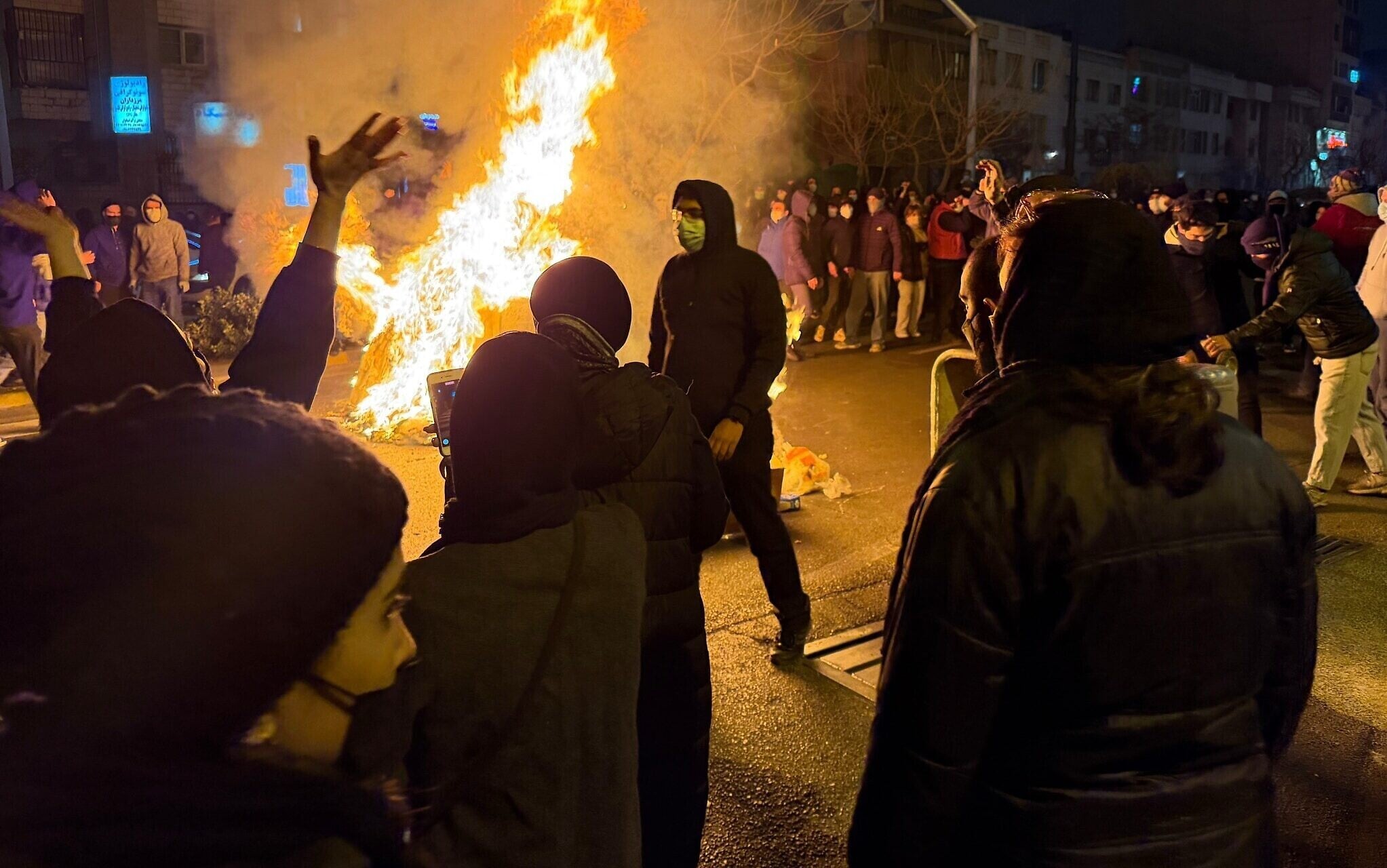
protest in Tehran, Iran, January 9, 2026.
The death toll exceeds that of any other round of protest or unrest in Iran in decades, and recalls the chaos surrounding the 1979 revolution that brought the Islamic Republic into being. Although there have been no protests for days, there are fears the death toll could increase significantly as information gradually emerges from a country still under a government-imposed shutdown of the internet since January 8.
Iran’s Supreme Leader Ayatollah Ali Khamenei said on Saturday that the protests had left “several thousand” people dead and blamed the United States. It was the first indication from an Iranian leader of the extent of the casualties.
More than 26,300 people have been arrested, according to the Human Rights Activists News Agency. Comments from officials have led to fears of some of those detained being put to death in Iran, one of the world’s top executioners. That and the killing of peaceful protesters have been two red lines laid down by Trump in the tensions.
BY: The Times Union – TOI