ISLAMABAD – In a poignant demonstration of international environmental solidarity, the Residence of the Swiss Ambassador to Pakistan, H.E. Ambassador Georg Steiner, served as the venue for the exclusive premiere of the documentary “The Meltdown of Glaciers: Switzerland and Pakistan.” The screening, held in observance of the United Nations’ International Mountain Day 2025, convened a distinguished gathering of diplomats, scientists, world renown Pakistani Climbers, policymakers, climate activists, and media representatives.

The event underscored Switzerland and Pakistan’s unique, albeit concerning, common ground: as nations hosting critical mountain ecosystems, they are on the frontlines of accelerated glacial retreat. The documentary, a collaborative triumph co-produced by Explore n Exped and Adventure Club of Pakistan with the foundational support of the Swiss Embassy in Pakistan, transcends geographical boundaries to present a unified narrative on climate vulnerability and resilience.
A Cinematic and Scientific Dialogue
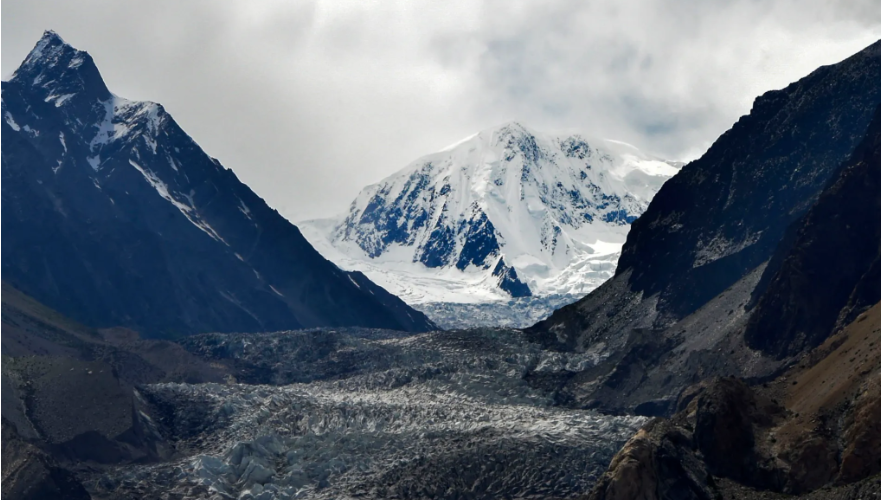
More than a film, the premiere fostered a profound dialogue between continents. “The Meltdown of Glaciers” is distinguished by its compelling dual-nation perspective, juxtaposing the iconic Alps of Switzerland with the towering peaks of the Karakoram, Hindu Kush, and Himalayan ranges in Pakistan. Through stunning, high-definition cinematography, the film captures the breathtaking beauty of these fragile landscapes while starkly documenting their rapid transformation.

The narrative is powerfully anchored by expert testimonies. Glaciologists and climate scientists from both nations provide authoritative data and analysis on melt rates and hydrological impacts. Their insights are humanized through intimate portraits of local farmers and mountain communities, whose livelihoods and centuries-old cultural heritage are directly threatened by shifting water patterns, glacial lake outburst floods (GLOFs), and changing agricultural cycles. This blend of empirical evidence and personal story creates a resonant and urgent call to action.
Elevating the Discourse on International Mountain Day
Ambassador Steiner, in his opening remarks, framed the event within a critical global context. “International Mountain Day reminds us that mountains are early indicators of climate change and essential pillars for global water security. Switzerland and Pakistan, though separated by distance, are connected by shared vulnerabilities and a shared responsibility. This documentary is not merely a chronicle of loss; it is a testament to the power of shared knowledge and cooperative action in forging pathways toward adaptation and sustainability.”
A Partnership Forged in Common Cause
The production itself stands as a model of cross-cultural collaboration. By partnering with
renowned Pakistani explorative entities, Explore n Exped and Adventure Club Pakistan, the Swiss Embassy has facilitated a project that is both locally authentic and globally relevant. This initiative reinforces Switzerland’s enduring commitment to environmental diplomacy and its support for Pakistan’s climate resilience efforts.
About the Documentary:
“The Meltdown of Glaciers: Switzerland and Pakistan” is an evidence-based, empathetic exploration of climate impacts in high-altitude regions. It serves as an essential educational tool and a diplomatic bridge, highlighting that the consequences of a warming planet are both universal and acutely local.
The successful premiere at the Ambassador’s Residence has set the stage for further screenings at international environmental forums, academic institutions, and public awareness campaigns in both countries, ensuring its message catalyzes ongoing dialogue and inspires meaningful cooperation between Switzerland, Pakistan, and the global community in safeguarding our planet’s vital mountain ecosystems.
BY: Nadeem Faisal Baiga