- While Washington believed conflict would leave a weakened Tehran unable to aid its proxies, Hamas has dug in on refusing to disarm and like its patron sought to drag out talks
WASHINGTON — The US-Israeli war against Iran appeared to break out at an inopportune time for the Board of Peace tasked with negotiating Hamas’s disarmament.
Just nine days earlier, on February 19, the US-led international panel overseeing the postwar management of the Gaza Strip secured $17 billion in pledges for humanitarian relief and reconstruction in the enclave.
The nascent Board of Peace’s ability to galvanize such support — conditioned on Hamas giving up its weapons — suggested that momentum in the international arena was moving against the terror group.
But the war quickly turned attention elsewhere in the region. Gulf countries that had offered to donate the largest sums to the Board of Peace suddenly found themselves among the hardest hit by Iran’s retaliatory strikes, and now seem poised to deprioritize foreign aid in favor of more national defense spending.
But a senior US official speaking to The Times of Israel days after the February 28 Iran war launch was emphatically unbothered.
“Hamas is watching what is happening to Iran and understands that its last lifeline is fading away,” the US official maintained, as Tehran was still in shock over the opening US and Israeli strikes on the country’s leaders and military assets.
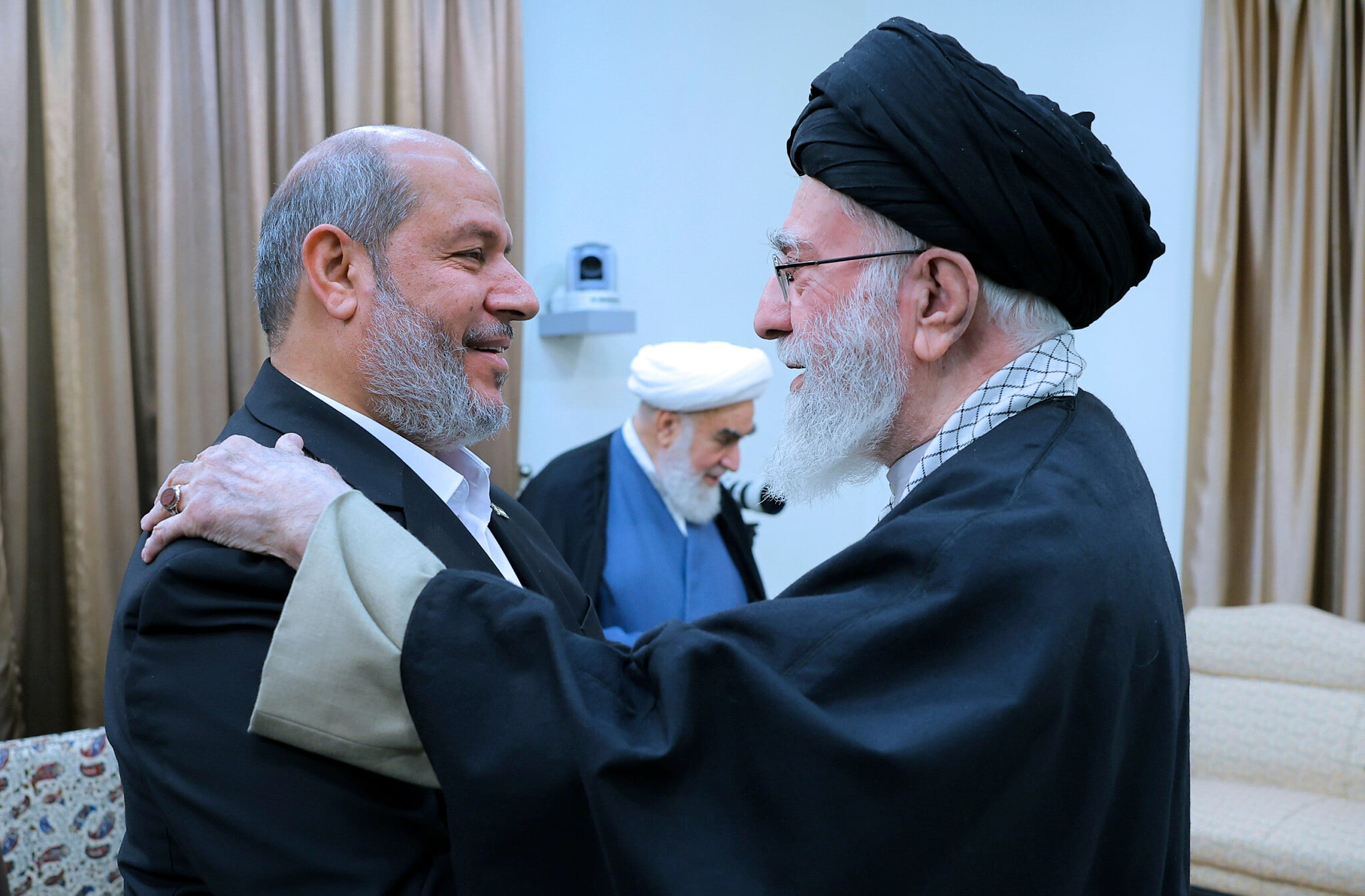
leader, Supreme Leader Ayatollah Ali Khamenei, right, greets Khalil al-Hayya, a
member of Hamas leadership council during their meeting in Tehran, Iran
Even if the US needed to shift its focus to Iran for the brief period of time that it expected the war to last, Hamas only stood to lose with each new blow inflicted on its benefactors in Tehran, the senior US official argued.
Over two months later, however, that optimism appears to have been premature.
After a brief pause in the Board of Peace’s negotiations with Hamas, the sides reconvened, only to see the Islamist terror organization continue to spurn the panel’s framework for disarmament.
“Not only is Hamas emboldened by Iran’s ability to withstand the war, but it is seeing the importance of holding onto your cards for as long as you can,” said an Arab diplomat from one of the countries involved in the Board of Peace talks.
The Iranian card that the US most badly wants is its nuclear program, which Tehran has thus far refused to budge on in negotiations.
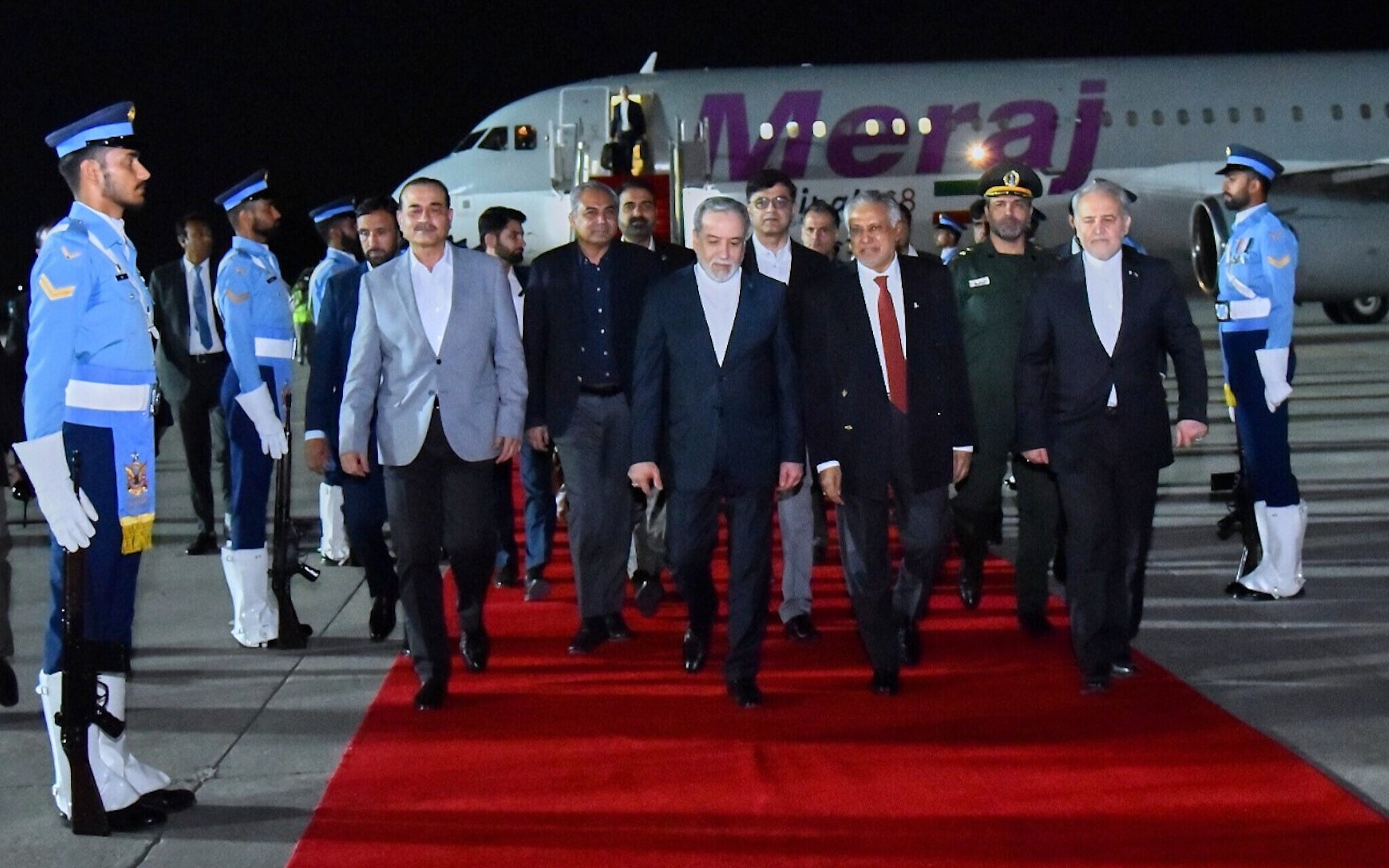
Minister Abbas Araghchi, center, is greeted by Pakistan Foreign Minister Ishaq Dar,
second right, and Army Chief Field Marshal Asim Munir, third left, upon his arrival
at Nur Khan airbase in Rawalpindi, Pakistan, April 24, 2026.
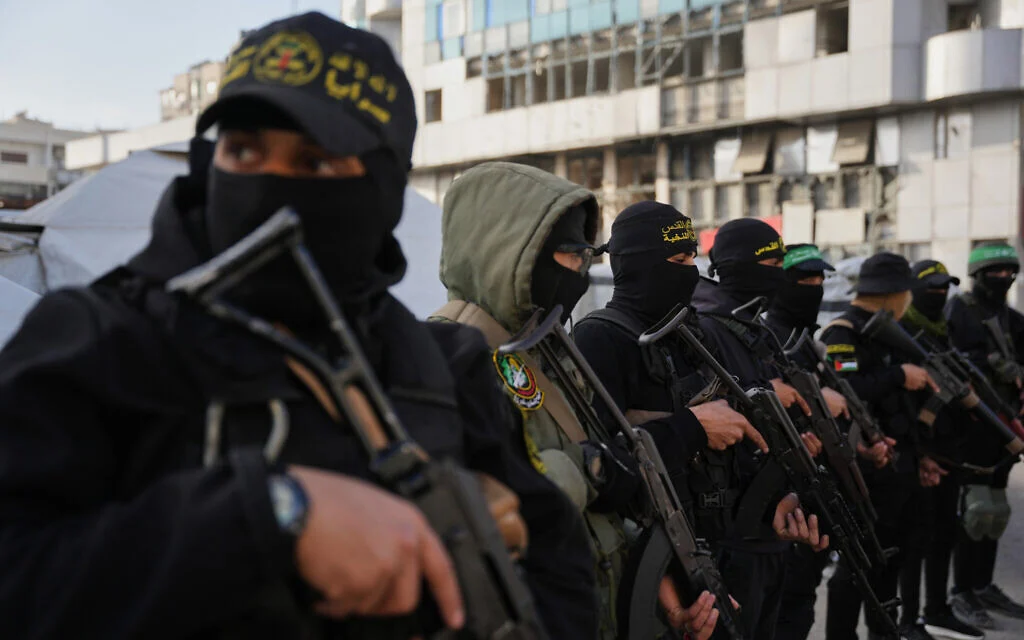
For Hamas, the last key piece of leverage is its arms, and while before the Iran war it appeared to signal willingness to part ways with its heavy weapons, it has more recently hardened its stance, the Arab diplomat said.
Taking another page out of Iran’s playbook, Hamas has sought to drag out negotiations over disarmament. It has refrained from rejecting the Board of Peace proposal outright, even indicating it is prepared to hold additional talks after submitting a counter-proposal on April 2 that fell well short of the board’s demands, the Arab diplomat explained.
In recent days, though, it has again signaled a desire to slow down negotiations, this time explaining that it wants to wait until the results of its internal leadership elections are in next week before proceeding with the disarmament talks, the Arab diplomat said.
In the meantime, the Board of Peace’s Gaza envoy Nickolay Mladenov acknowledged on Wednesday that Hamas is consolidating its power in the Strip, while dragging its feet in disarmament talks, thereby stalling plans to rebuild the war-torn enclave.
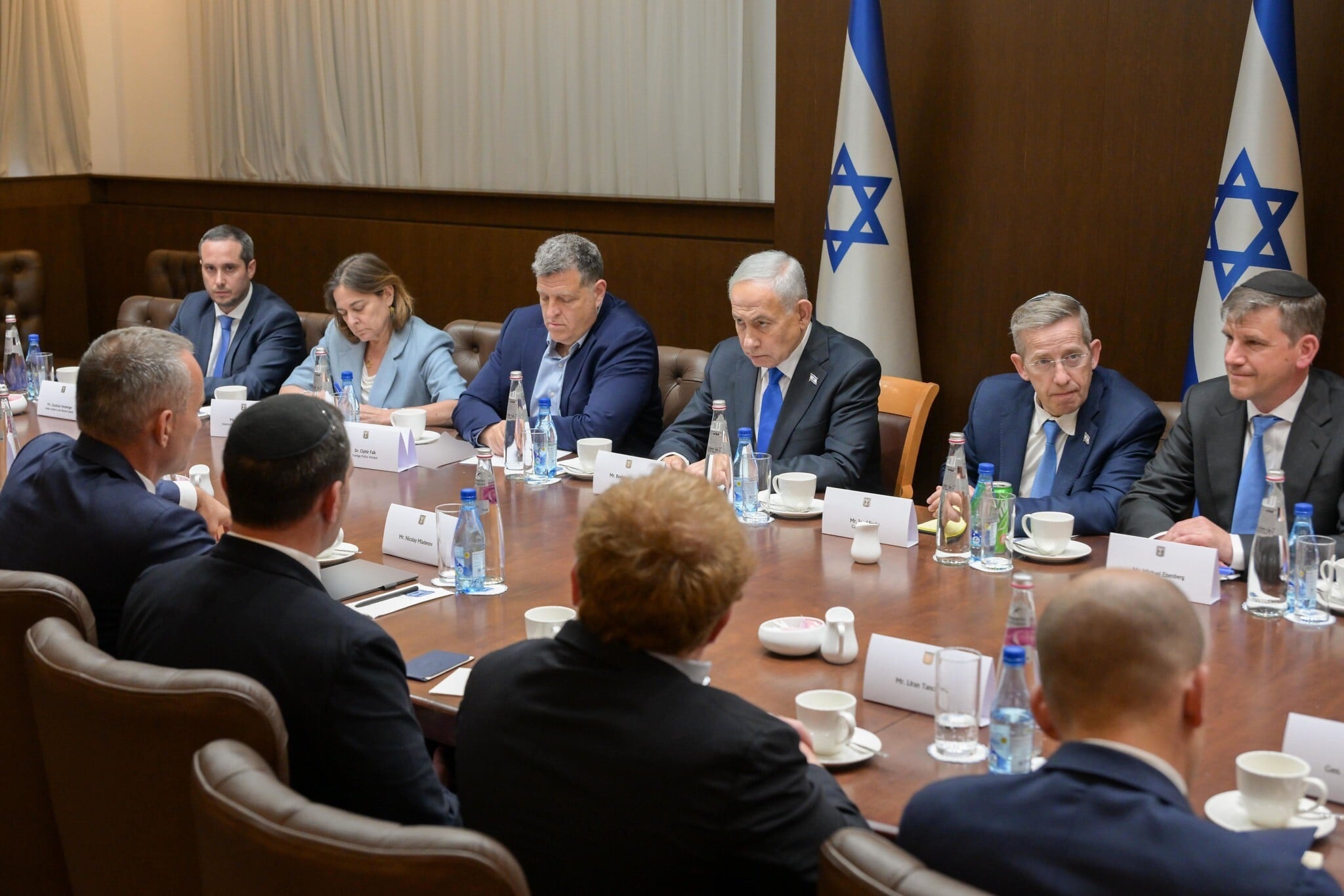
Nickolay Mladenov in Jerusalem on May 13, 2026.
“Diplomacy remains open, but the people of Gaza cannot be asked to wait indefinitely while the same questions are being discussed a second, third, fourth and fifth time,” he said.
While Hamas was more hesitant to criticize Mladenov as he settled into his position, it has been quick to attack him more recently, in another indication of how emboldened it is feeling.
“Mladenov is not worthy of being responsible for even one day of transitional management of our Palestinian people,” Senior Hamas official Bassem Naim said in a statement on Wednesday.
BY: Jacob Magid