- Separate report says US let Qatari tankers that paid Iran traverse Hormuz, and even escorted some; Trump: Deal coming ‘slowly but surely,’ Iran agreed not to procure nuclear arms
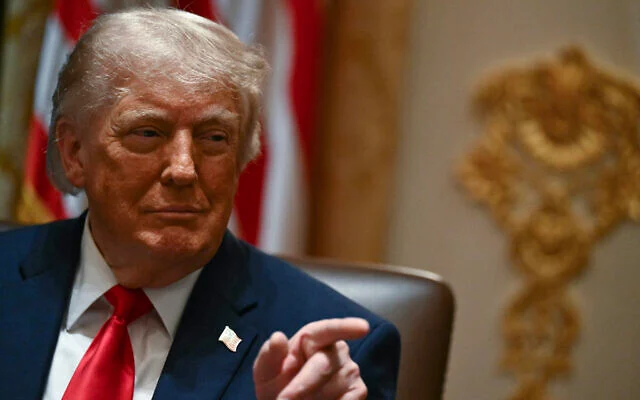
US President Donald Trump put off his decision on the memorandum of understanding with Iran after demanding his team secure more concessions on Iran’s nuclear program, Axios reported Sunday, citing a senior administration official and a US source briefed on the matter.
Trump also wants some changes to the draft’s language about reopening the Strait of Hormuz, the second source said, without elaborating.
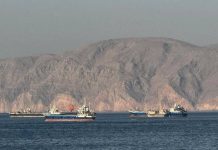
A separate report in Israeli daily Israel Hayom said the US let dozens of Qatari oil and liquefied natural gas tankers sail through the strait over the past week after Iran okayed the tankers’ passage and in some cases received payment for it.
Some of the vessels were even escorted by the US Navy, said Israel Hayom, which cited three unidentified diplomatic and intelligence sources. According to the report, the vessels were headed to Europe and East Asia, mostly India or China.
Trump on Friday said he was entering the Situation Room for a “final determination” on Iran, after the White House said that, pending his approval, Washington and Tehran had agreed to a 60-day ceasefire extension during which the sides would hammer out nuclear commitments.
The Situation Room meeting ended inconclusively, according to US media, and Iranian officials denied Trump’s suggestions that the memorandum of understanding contains nuclear concessions or a commitment to fully reopening the strait.
The senior official cited by Axios said Trump asked his team during the meeting to amend the timetable of the nuclear talks, in which the US seeks to remove about 10 warheads’ worth of highly enriched uranium that Iran has amassed. The material is thought to have been buried after the US hit key Iranian nuclear sites during the June 2025 Israel-Iran war.
Trump wants “more specifics about how the US gets the material and the timing,” the official was quoted as saying.
According to the official, the Iranians would need about three days to get back to Trump because “they’re literally in caves and they’re not using email.”
Washington is “willing to wait so the president gets what he asks for,” the official said. “It could be a week. It could be less. It could be more. At the turn of the week, we hope to have something.”
The White House did not immediately comment, Axios said.
In an interview broadcast Sunday with his daughter-in-law, Fox News host Lara Trump, Donald Trump said a deal with Iran would come “slowly but surely” or the US would return to war.
“We’re going to make a great deal, or… we’ll just go back and finish it militarily,” he said.
Trump was in “no hurry” to make a deal, he said.
“If you’re going to be in a hurry, you’re not going to make the good deal,” Trump said. “I would rather get a deal, because we can open the strait immediately upon signing.”
“One guarantee that I have to have is that there will be no nuclear weapons. They’ve agreed to that,” he claimed, adding that he had made sure the Iranians could neither build nor buy the bomb.
“They originally said, ‘We will not develop a nuclear weapon.’ I said, ‘Well, what happens if you buy a nuclear weapon?’” said Trump.
“Now it says, ‘We will not develop or in any way purchase” nuclear arms, he said.
Trump also said he was surprised Iran targeted its Gulf neighbors during the war, but that he “viewed it as a positive” because it shored up support for the US.
“We were surprised — I was surprised,” he said. “Actually, I viewed it as a positive, because all those people came immediately to our side.”
Iran launched missile and drone strikes across the region, and imposed a blockade in the Strait of Hormuz, after the US and Israel, on February 28, started a bombing campaign on the Islamic Republic to destabilize its regime and destroy its ballistic missile and nuclear programs.
While Iran, whose leaders are sworn to Israel’s destruction, denies seeking nuclear arms, it has amassed uranium enriched to levels with no peaceful application. Meanwhile, the Iranian naval blockade choked off about a fifth of the world’s oil shipments, sending energy prices soaring worldwide.
Pakistani mediation efforts secured a truce on April 8. The US launched its own blockade on Iran-linked shipping five days after that, and the US and Iran have traded fire in the strait in recent days for the first time since the truce.
BY: The Times Union – TOl