- Why Pakistan Must Reclaim the Narrative of Gratitude for the UAE
Bridging the Perception Gap in Pakistani Media
In recent years, a noticeable gap has emerged in segments of Pakistani media discourse—particularly during discussions on Middle East conflicts—where the depth of solidarity and contributions of the United Arab Emirates toward Pakistan is often underrepresented.
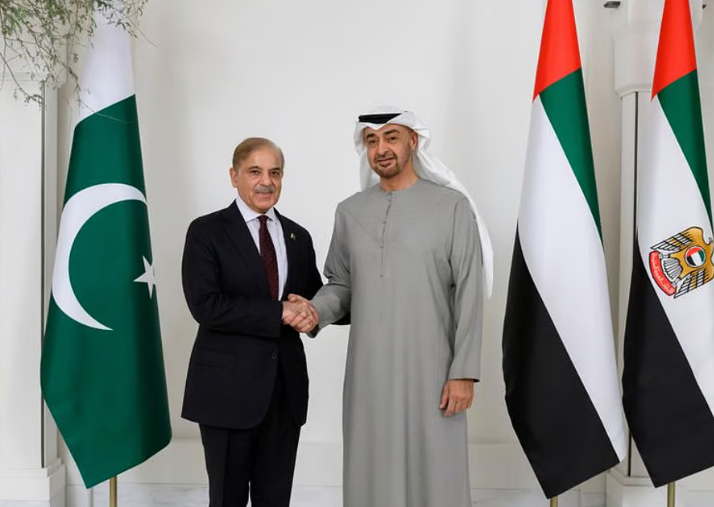
A closer and more balanced assessment reveals a very different reality: the UAE has consistently stood by Pakistan as a steadfast partner, extending support across economic stability, humanitarian relief, healthcare, education, and infrastructure. This enduring relationship reflects not only diplomatic alignment but genuine brotherhood and goodwill.
A Lifeline for Economic Stability
Financial Support at Critical Moments
At times when Pakistan has faced economic pressures, the UAE has played a decisive stabilizing role. Through the rollover of multi-billion-dollar deposits—including $2 billion in 2026—the UAE has helped Pakistan maintain foreign exchange reserves and meet key benchmarks set by the International Monetary Fund. Such support has not only strengthened Pakistan’s financial standing but also reinforced international confidence in its economy.
Saving Lives: Health and Humanitarian Leadership
Emirates Polio Campaign
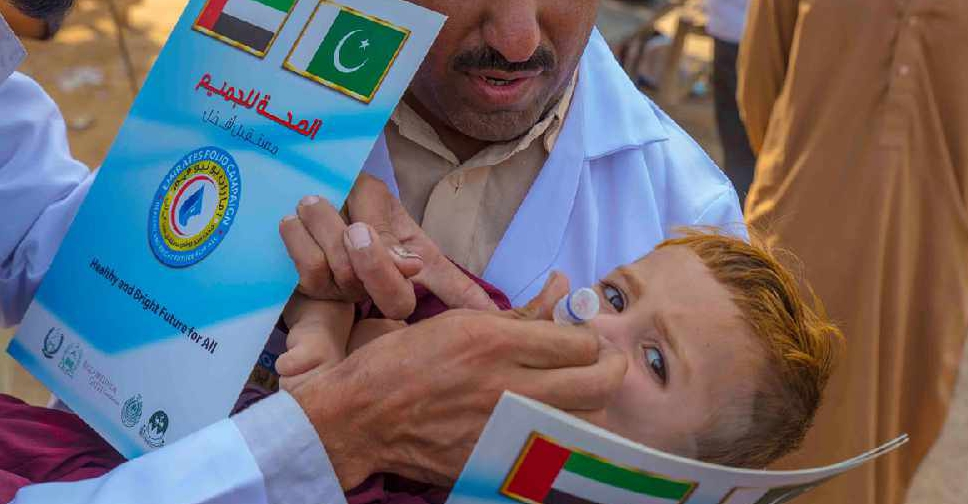
Under royal directives, the Emirates Polio Campaign has administered more than 44 million vaccine doses, protecting millions of Pakistani children in high-risk regions such as Khyber Pakhtunkhwa, Balochistan, and Sindh. This initiative stands as a powerful symbol of the UAE’s commitment to Pakistan’s future generations.
Disaster Relief in Times of Crisis
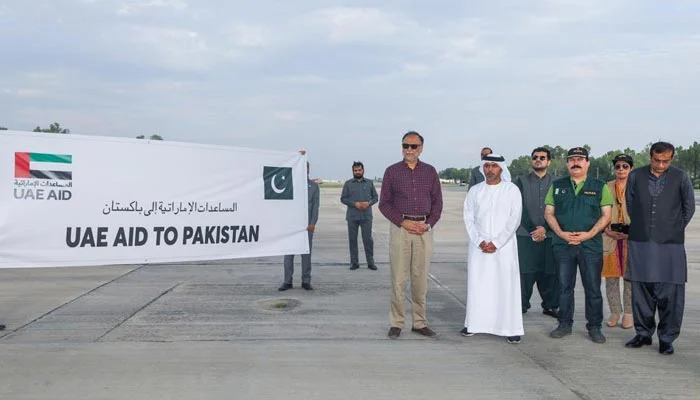
During devastating floods in 2010 and 2022, the UAE rapidly mobilized humanitarian air bridges, delivering essential medical supplies, food, and shelter to affected communities. These timely interventions saved countless lives and demonstrated unwavering solidarity in moments of national crisis.
Transforming Healthcare Across Pakistan
Through the Abu Dhabi Fund for Development and other initiatives, the UAE has significantly strengthened Pakistan’s healthcare infrastructure, especially in underserved areas.
Key institutions include:
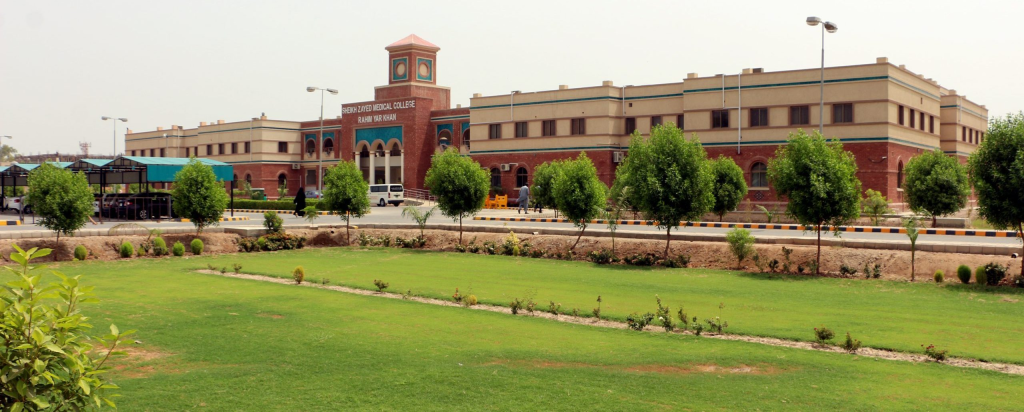
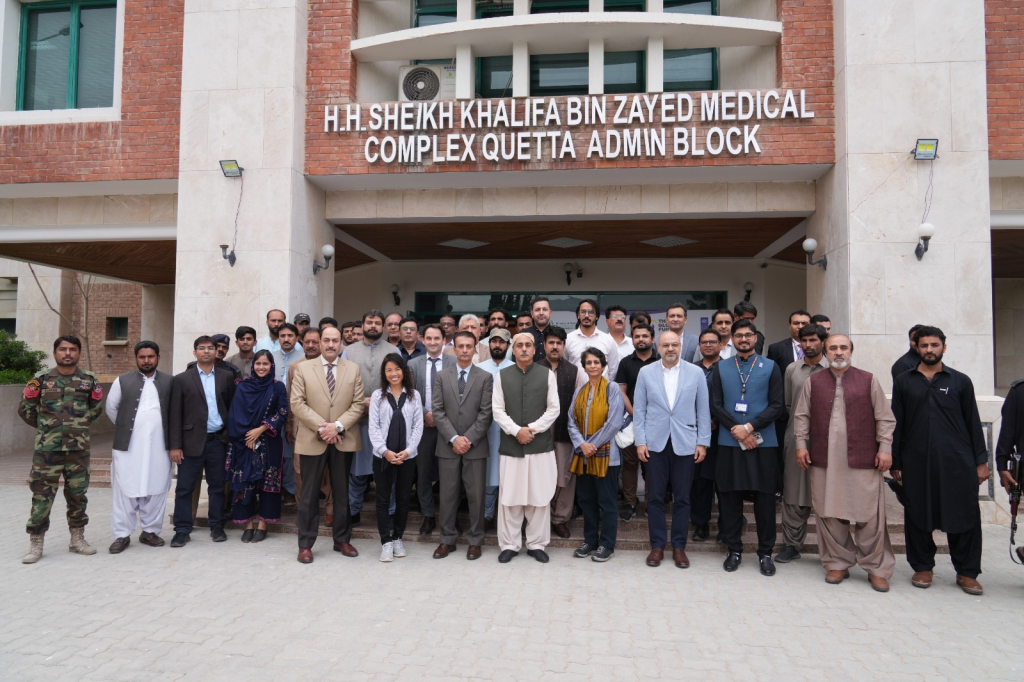
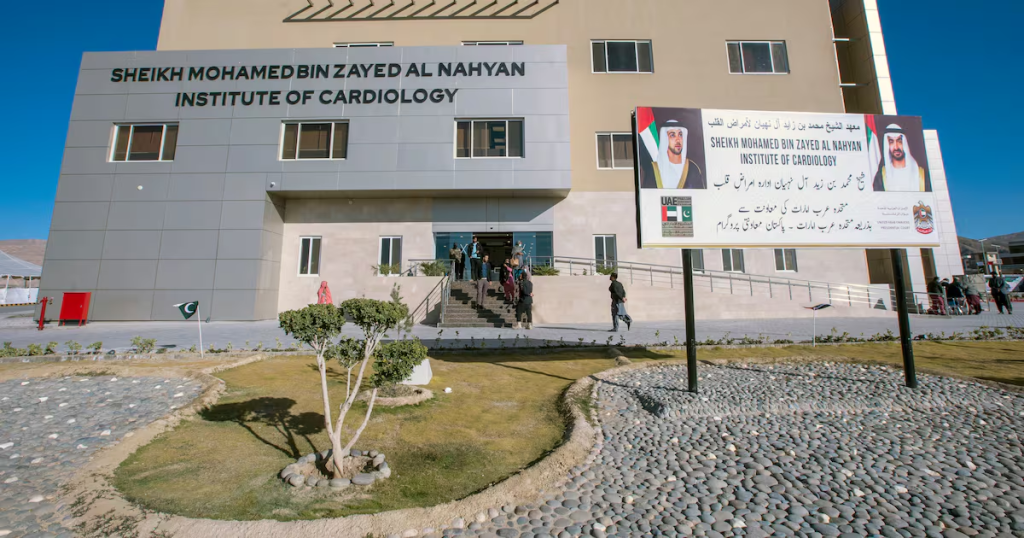
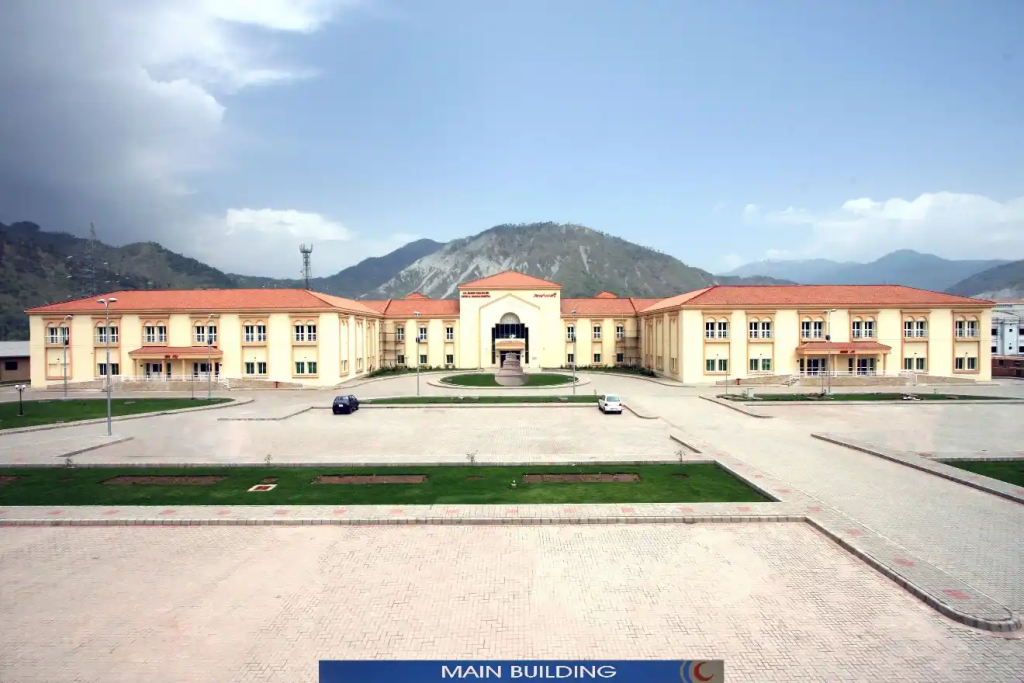
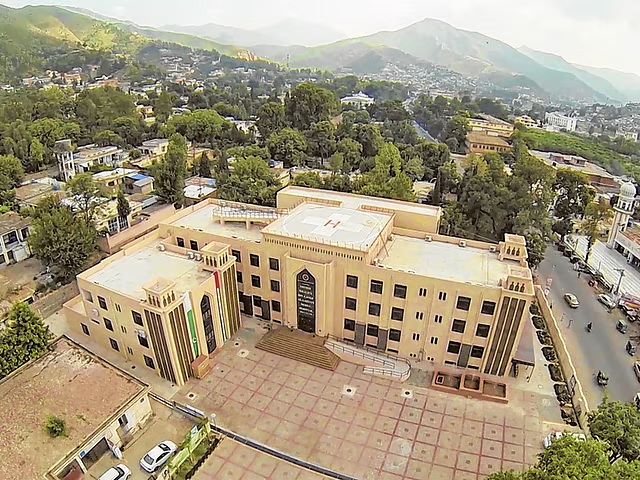
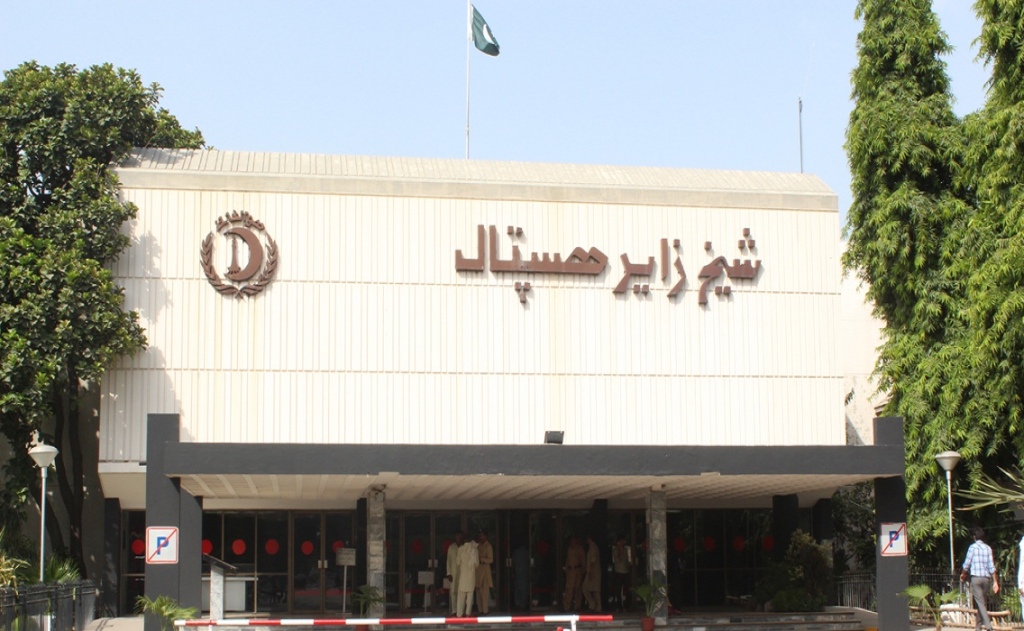
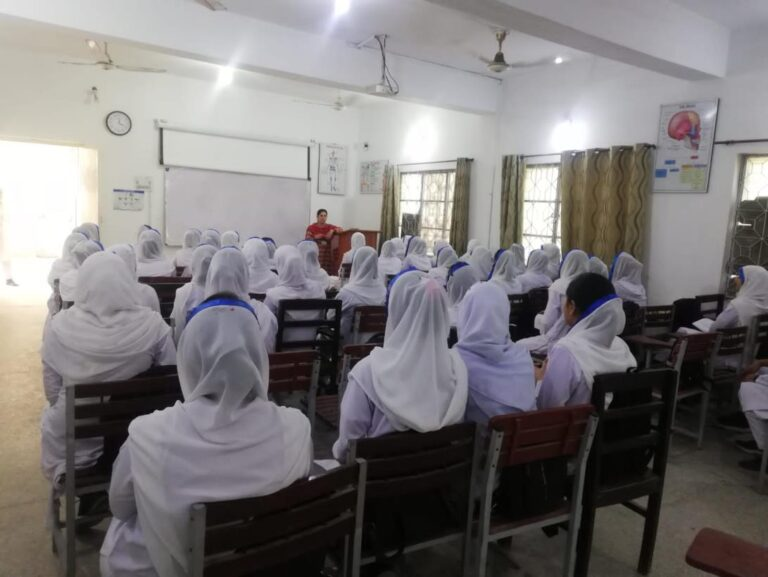
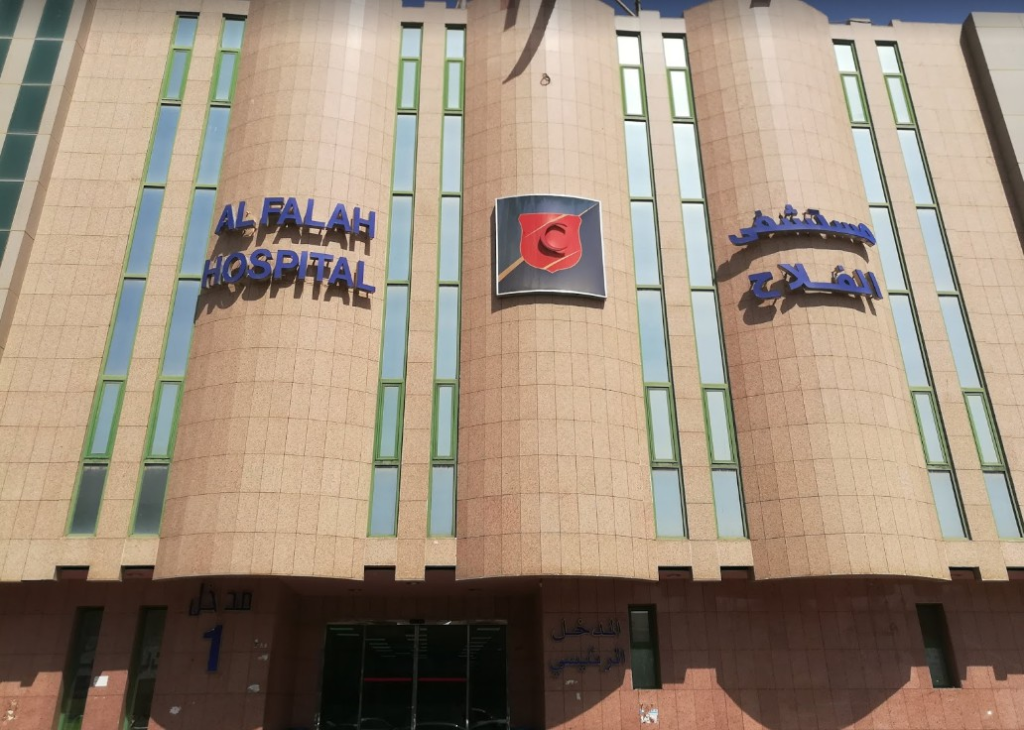
These facilities provide advanced medical services, maternal and child healthcare, and specialized treatment, improving the quality of life for thousands of Pakistanis.
Investing in Education and Human Potential
Schools and Skills Development
The UAE has made transformative investments in Pakistan’s education sector, particularly in rural and underprivileged regions. Through Dubai Cares, over 70,000 children—especially girls—have gained access to quality primary education in Sindh and Punjab.
Institutions such as:
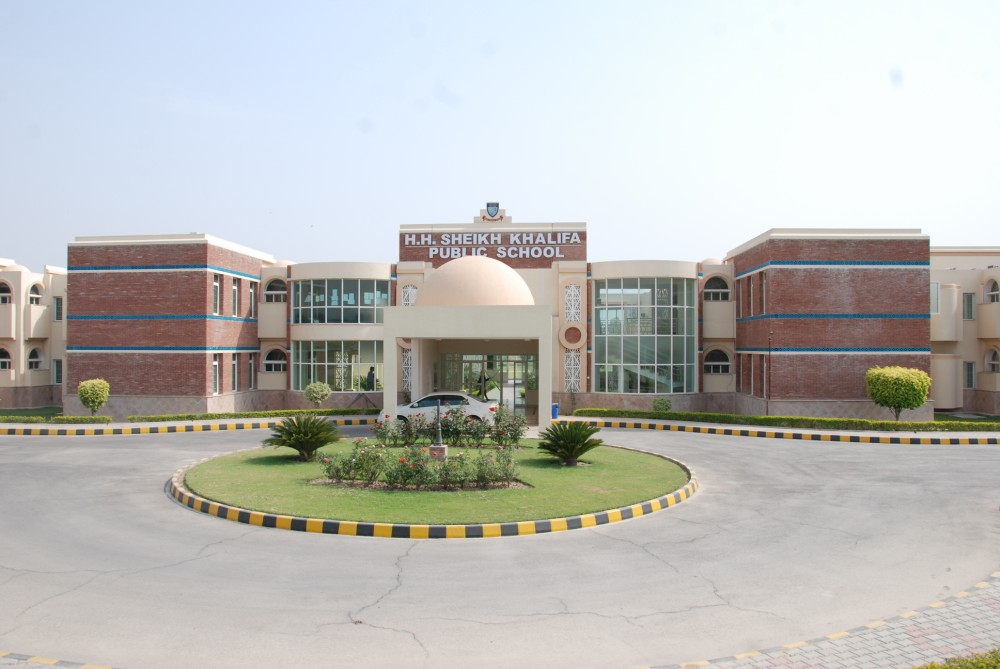
Sheikh Khalifa Technical College, Peshawar
are empowering youth with modern education and vocational skills, helping reduce poverty and enhance employability.
Teacher Training for Lasting Impact
The “Teachers Without Frontiers” program has trained educators nationwide, equipping them with advanced teaching methodologies to better serve students in underserved communities.
Clean Water, Infrastructure, and Energy Support
Access to Safe Drinking Water
Through UAE-PAP initiatives, numerous water supply and purification plants have been established in remote areas, significantly reducing waterborne diseases and improving public health.
Building Connectivity and Growth
The UAE has funded critical infrastructure projects, including roads and bridges that connect remote regions with urban centers, boosting trade and mobility.
Addressing Energy Challenges
Grants and soft loans from the UAE have supported Pakistan’s energy sector, helping to mitigate power shortages and strengthen electricity distribution systems.
Modernizing Transport and Trade
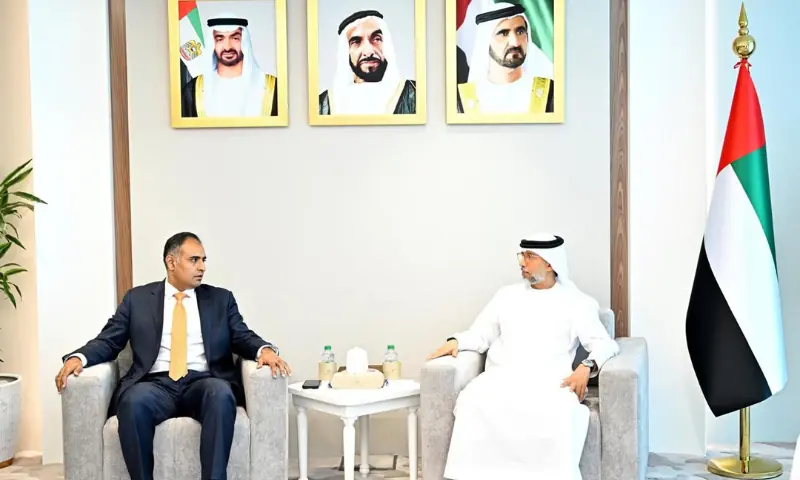
with UAE Minister of Energy and Infrastructure Suhail Mohamed Al Mazrouei
Recent collaboration with DP World aims to modernize Pakistan Railways’ freight capacity, improving logistics from Karachi Port and reducing road congestion—an important step toward economic efficiency and regional trade integration.
Consular Support and Welfare Services
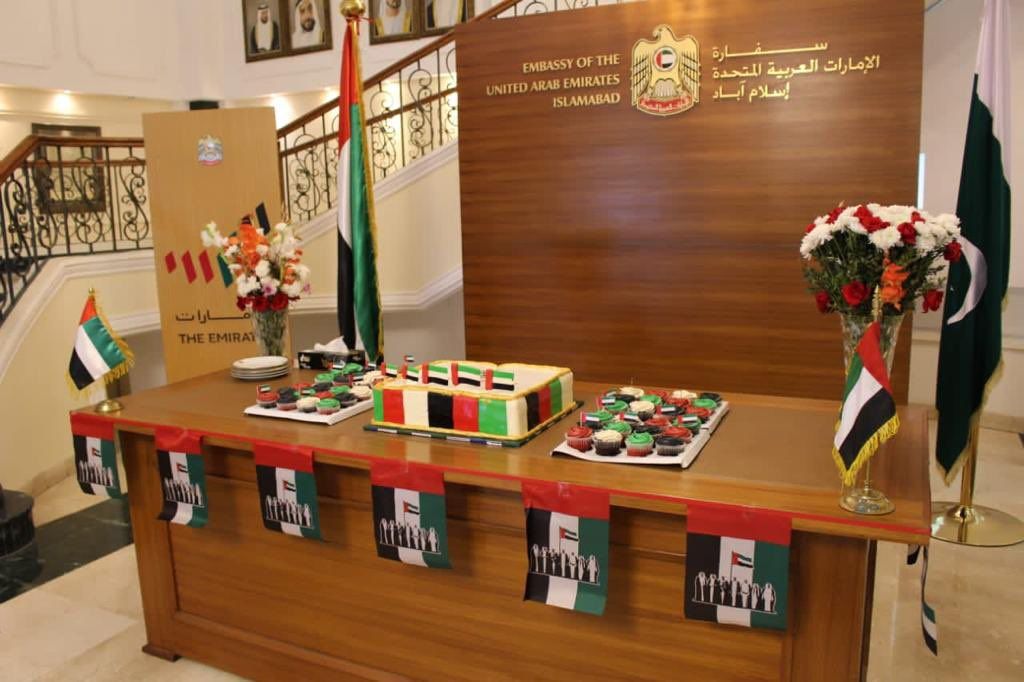
The UAE’s diplomatic missions, including its Consulates in Karachi and Islamabad, continue to provide critical assistance, particularly in medical emergencies, further reflecting its commitment to the welfare of Pakistani citizens.
A Call for Recognition and Solidarity
At a time when global narratives are often shaped by selective perspectives, it is important for the Pakistani nation to acknowledge those who have consistently stood by it. The UAE’s contributions are not symbolic—they are tangible, far-reaching, and life-changing.
Now is the moment for Pakistanis to stand shoulder to shoulder with their Emirati brothers and sisters, recognizing a partnership built on trust, compassion, and mutual respect.
A Friendship That Transcends Time
In today’s complex world, conflicts may last for days or months, but the impact of true friendship endures for generations. The relationship between Pakistan and the UAE is one such enduring bond—defined not just by diplomacy, but by action, sacrifice, and heartfelt commitment.
The UAE’s extraordinary support and genuine love for Pakistan deserve not only recognition but also appreciation at every level of society.
BY: Nadeem Faisal Baiga is the editor-in-chief of The Times Union
Disclaimer: Views expressed by writers in this section are their own and do not necessarily reflect The Times Union‘ point of viewNadeem Faisal Baiga