Terrorism in KPK and NMDs is more often discussed as a security concern, measured by death toll, insurgent onslaught, and cross-border tension. This limited approach fails to resolve the larger concern. The growing violence in this area is deeply a war against human survival and its prosperity. Every onslaught on healthcare facilities, road connectivity, telecommunication networks, educational institutes, or local markets is a ravage on social sustainability, development, and prosperity. The assaults of TTP and its other splinter groups are not only a challenge to the sovereignty of the state but also ensure that the local people of KPK and NMDs face persistent anxiety, poverty, and isolation. Terrorism, therefore, should be viewed as a law-and-order concern but as a deliberate tactic to stall development and refuse local people the opportunity to build an optimistic future.
The tragedy is extremely hurtful because the population of NMDs was pledged to an optimistic trajectory. The merger of EX-FATA Federally Administered Tribal Area with KPK was thought to be a turning point, proposed to end political exclusion and choke economic growth. Roads, Schools, healthcare facilities, digital connectivity, Business investment, and employment were hoped to change the environment that had long facilitated militancy to grow. Therefore, the terrorist assault seems to reverse these advantages by making infrastructure investment too costly and too hazardous to pursue. This isn’t merely a terror; it is a systematic destruction of the region’s prospects.
The insurgent group understands that the apparent threat to their survival is not only kinetic operations but also development and public participation. A developed region, educated and skilled youth, and a boosted economy can lose the market value of the insurgents’ claim of resentment and radicalization. Thus, the violence we see aims at vandalizing the development.
The current wave of terrorism in KPK, such as South Waziristan and North Waziristan, targets military check posts as well as sabotages telecom infrastructure, dismantling cellular networks to keep civilians inaccessible. These insurgent groups target energy infrastructure, intimidating and coercing laborers from working at national gas and oil corporations. In North Waziristan, threats to development contractors have brought infrastructure projects to a standstill. When engineers, laborers, and construction companies are targeted, extorted, or killed, the message delivered to the investors is that the development will not be allowed.
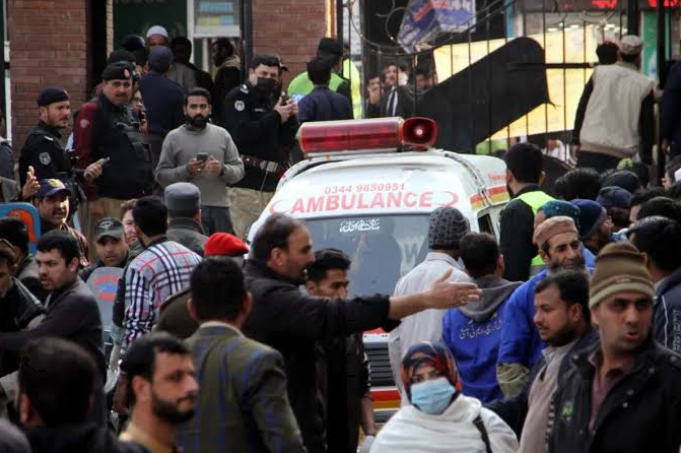
The Healthcare infrastructure faced a similar assault. Hospitals, ambulances, vaccination teams, and health workers have frequently been attacked, undermining the public health services. The struggle to eradicate polio has also been undermined, as violence against vaccination teams has halted the immunization initiative. The lack of healthcare services will make the public more vulnerable during pandemics and natural hazards; it will further raise the gap between rural and urban communities, this collapse of healthcare services will further strengthen militants and their cause.
Furthermore, attacks on journalists, local leaders, and rights activists who express voices against the revival of the Taliban government are calculated efforts to disturb the social structure of tribal areas. By stopping the voices of harmony and development, the militants aim to leave the public unled, completely reliant on the unfair justice of weapons.
Additionally, the economic toll on the public is disastrous. The KPK and NMDs possess plenty of resources, particularly natural gas, minerals, and trade with Central Asia. Although no economy can survive in an unstable and insecure environment, until unless the militants attacks are not halted. The local businessmen in urban areas and tribal entrepreneurs face dual challenges: a shattering economic crisis on one hand and hostile ransom claims from the splinter groups on the other hand. For those who deny the demands, repercussions are lethal; this environment has compelled capital flight from the region, leaving youth already searching for employment with limited opportunities.
The anti-people violence can be viewed in the form of displacement and psychological trauma forced on the public. The local population of KPK and NMDs has already paid heavy prices during earlier counter terrorism activities, which dislocated millions of people. The huge peaceful protests in Khurram, Khyber and Swat show the locals are completely tired of violence; they are clearly refusing the insurgents’ presence and kinetic military strategies that affect public life.
The situation is aggravated by geopolitical dynamics. Due to the provision of sanctuaries to TTP by the Afghan Taliban regime, Pakistan has been coerced to employ heavy-handed reactive approaches. The airstrikes on the Afghan border intensify the conflict, resulting into the civilian casualties.
To end this impasse and counter this anti-people and anti-development violence, the government should strengthen coordination among the military and KPK’s Police force, as well as among the federal and provincial governments on a broad scale. For addressing the concerns of civilians, State forces should take the locals into confidence while conducting military operations and to ensure the displaced group is not misused by radical groups. Pakistan should enhance the strong intelligence sharing and coordination with neighboring states and dismantle the sanctuaries of insurgents groups. Implement de-radicalization and rehabilitation programs for local communities prepare them to free from violence and also create employment opportunities for the displaced group. Addressing the governance gap, legitimacy and development is important along with kinetic approaches.

Disclaimer: Views expressed by writers in this section are their own and do not necessarily reflect The Times Union‘ point of view