- Fewer Than 20 Commodity Vessels Crossed the Strategic Waterway Over the Weekend as Shipping Activity Falls 90% Below Pre-Conflict Levels
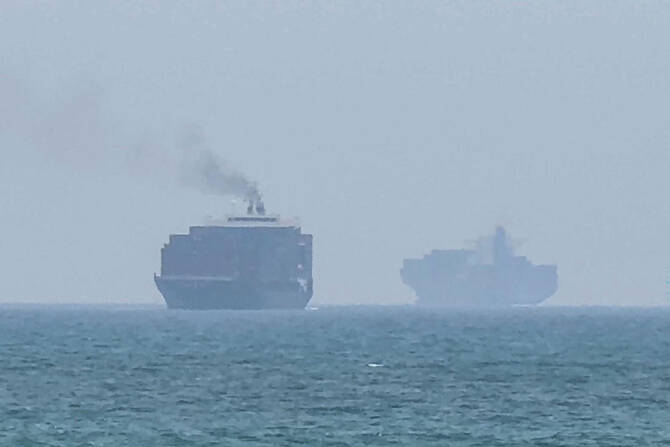
SINGAPORE: Commercial shipping through the Strait of Hormuz remained severely disrupted over the weekend, with fewer than 20 commodity vessels transiting the strategic energy chokepoint amid Iranian and US blockades, according to shipping data released Monday.
Four commodity vessels crossed the strait on Sunday, while 13 transited on Saturday, initial data from ship-tracking firm Kpler showed. The figures could be revised as some vessels switched off their Automatic Identification System (AIS) transponders while navigating the waterway.
Friday recorded 16 transits. Among them were two empty very large crude carriers (VLCCs) that entered the Gulf with their tracking systems switched off—one reportedly bound for Iraq and the other for Bahrain.
A VLCC carrying approximately 2 million barrels of Emirati crude exited the strait on Thursday, according to the data.
Energy Shipments Remain Heavily Constrained
Eight very large gas carriers crossed the Strait of Hormuz over the three-day period, with six entering the Gulf empty. The remaining two were carrying liquefied petroleum gas (LPG) loaded in Iran before exiting the Gulf.
Overall maritime traffic remained significantly below normal during the week ending August 21, as vessels abandoned planned crossings or altered their routes through the northern part of the strait following a series of attacks, the United Kingdom Maritime Trade Operations (UKMTO) said in a report.
According to UKMTO data based on AIS tracking, 89 vessels exited the Strait of Hormuz while 103 entered during the seven-day period.
“Traffic remains well below normal levels,” the agency reported, noting that AIS-detected transits were approximately 90 percent below pre-conflict levels and had continued to decline after reaching a peak between June 24 and June 26.
Tankers Account for Nearly Half of Traffic
Tanker movements accounted for approximately 45 percent of total vessel traffic through the strait, according to UKMTO.
Of those tankers, 56 percent were carrying crude oil, petroleum products or chemicals, while LPG carriers represented another 24 percent.
The sharp decline in traffic comes amid continuing security concerns in and around the strategic waterway. Since July 6, UKMTO has recorded 23 incidents involving projectile strikes, resulting in damage to bridges, engine rooms and other structural components of vessels operating in the region.
Bab al-Mandab Traffic Also Declines
Shipping activity was also weaker through the Bab al-Mandab Strait, another critical maritime route connecting the Red Sea with the Gulf of Aden.
Kpler data showed that 24 commodity vessels transited Bab al-Mandab on Sunday, down from 32 on Saturday, although the figure remained above Friday’s 22 crossings.
Two VLCCs entered the Red Sea on Saturday, with one carrying Iraqi Basrah crude and the other sailing empty, according to the shipping data.
The continued decline in traffic through both strategic waterways highlights the growing impact of regional security risks on global energy and maritime trade routes.
BY: The Times Union