- Renewed Diplomatic Engagement Opens New Opportunities for Military Cooperation, Economic Growth, Investment, Direct Connectivity and People-to-People Relations
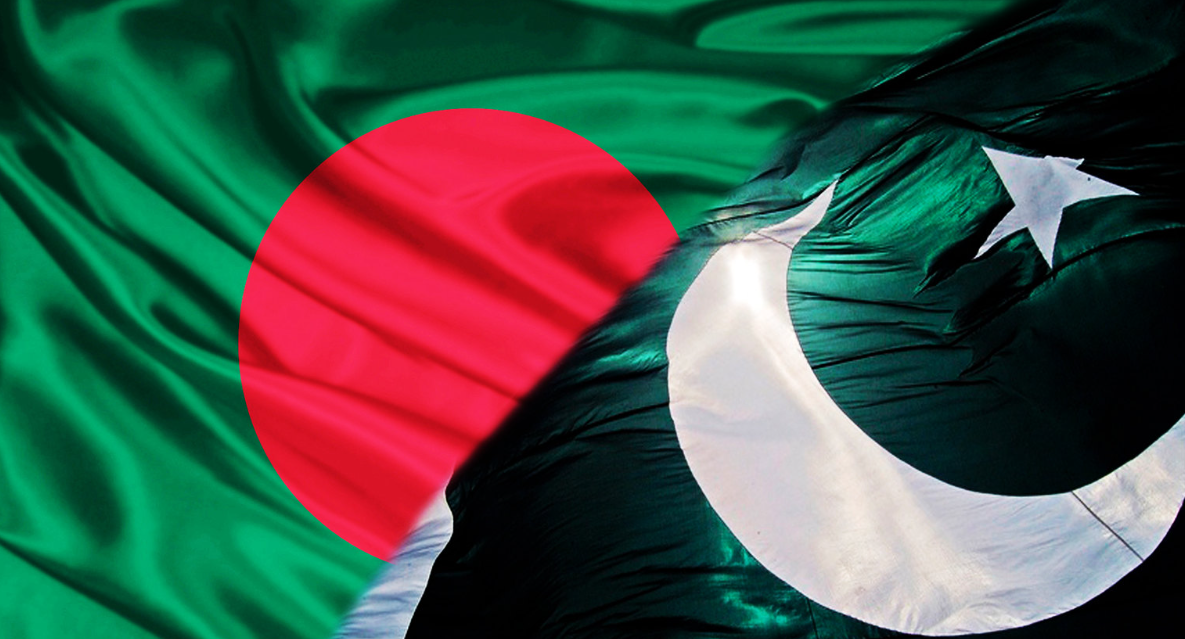
ISLAMABAD: Pakistan and Bangladesh are entering a promising new chapter in their bilateral relations, with growing opportunities to transform renewed diplomatic engagement into a comprehensive strategic partnership based on defence cooperation, economic development, trade, investment, tourism and stronger people-to-people connections.
The two South Asian countries share deep cultural, religious, linguistic and historical connections, as well as complementary economic strengths and considerable potential for regional cooperation. After years of limited high-level engagement, recent diplomatic exchanges and institutional initiatives have created fresh momentum for rebuilding confidence and establishing a forward-looking relationship.
The restoration of regular diplomatic contacts, the resumption of direct air connectivity, renewed maritime trade, military exchanges and agreements covering education, commerce and institutional cooperation demonstrate the growing determination on both sides to strengthen bilateral relations.
Under the leadership of Prime Minister Muhammad Shehbaz Sharif and Bangladesh’s Prime Minister Tarique Rahman, Pakistan and Bangladesh have an opportunity to build a relationship that extends beyond traditional diplomacy and contributes to economic prosperity, regional stability and a stronger South Asian partnership.
The objective should be to develop a sustainable relationship in which both countries benefit from their respective strengths while respecting each other’s sovereignty, national interests and historical sensitivities.
1. Strengthening Defence and Strategic Cooperation
Defence cooperation represents one of the most promising areas for expanding Pakistan-Bangladesh relations. Both countries face evolving regional security challenges and have a shared interest in maintaining peace, stability and maritime security across South Asia and the wider Indian Ocean region.
Recent exchanges between senior military officials have provided an important foundation for closer defence engagement. These interactions can be developed into a structured framework covering military training, professional education, defence technology, intelligence cooperation against transnational threats and institutional exchanges.
Pakistan possesses an established defence manufacturing sector, including capabilities in aviation, naval systems, military equipment and training. Bangladesh, meanwhile, has been modernising its armed forces and strengthening its defence capabilities.
There is considerable potential for mutually beneficial cooperation in several areas:
- Air force cooperation: Professional exchanges, pilot training, technical assistance and possible cooperation involving Pakistan’s JF-17 Thunder multi-role fighter aircraft and Super Mushshak trainer aircraft.
- Naval cooperation: Joint training, maritime security, naval exercises, technical exchanges and cooperation in protecting commercial shipping routes.
- Military education: Increased opportunities for Bangladeshi officers to attend professional military institutions and training programmes in Pakistan, alongside reciprocal exchanges.
- Defence manufacturing: Exploration of joint ventures, maintenance facilities, technical cooperation and the exchange of defence-related expertise.
- Regional security: Cooperation against terrorism, drug trafficking, organised crime, cyber threats and other transnational security challenges.
Discussions on potential JF-17 procurement and accelerated delivery of Super Mushshak aircraft have already featured in military engagement between the two countries. These discussions indicate the potential for expanding defence-industrial relations, although any procurement arrangements would require formal agreements.
A regular Pakistan-Bangladesh defence dialogue, supported by meetings between military leadership and specialised working groups, could provide an institutional foundation for long-term cooperation.
Importantly, stronger defence relations should be directed towards defensive capabilities, professional development, regional stability and mutual security rather than confrontation with any third country.
2. Expanding Bilateral Trade and Economic Partnership
Economic cooperation should become one of the principal pillars of Pakistan-Bangladesh relations. Both countries have substantial consumer markets, established manufacturing industries, skilled workforces and opportunities for mutually beneficial investment.
According to Pakistan’s Ministry of Foreign Affairs, bilateral trade reached approximately US$865 million during 2024–25. Although this represents an important economic relationship, the potential for further growth remains considerable. Ministry of Foreign Affairs Pakistan
The revival of the Pakistan-Bangladesh Joint Economic Commission (JEC) in October 2025, after a gap of 20 years, was a significant development. Its ninth session addressed cooperation in trade, investment, industrial development, agriculture, transport, information technology, banking, healthcare, tourism, energy, education and textiles.
Both countries also discussed strengthening cooperation between their national shipping corporations, with Pakistan offering Karachi Port as a potential gateway for Bangladesh’s trade with regional markets, including China and Central Asia. Pakistan Information Database
Key Sectors for Bilateral Trade
Textiles and garments: Bangladesh has developed one of the world’s major ready-made garment industries, while Pakistan has a strong textile base, cotton production and established textile manufacturing capabilities. Greater cooperation in cotton yarn, fabrics, textile machinery, chemicals, accessories and value-added products could benefit manufacturers in both countries.
Agriculture and food security: Pakistan can expand exports of rice, agricultural commodities, fruits, vegetables, meat and other food products to Bangladesh. Both countries could also collaborate in agricultural research, modern farming techniques, irrigation, seed development and food processing.
Pharmaceuticals and healthcare: Pakistan’s pharmaceutical industry offers opportunities for exporting medicines, medical equipment and healthcare products. Joint ventures, research partnerships and professional exchanges could further strengthen cooperation.
Information technology and digital economy: Pakistan and Bangladesh have growing technology sectors, particularly in software development, freelancing, digital services, financial technology and business-process outsourcing. Cooperation between technology companies, universities and start-ups could create employment and encourage innovation.
Leather and sports goods: Pakistan’s established leather, surgical instruments and sports manufacturing industries offer opportunities for exports and joint production. Bangladesh’s manufacturing base and export networks could complement these capabilities.
Energy and industrial development: Both countries could explore cooperation in energy infrastructure, renewable energy, power generation, industrial technology and engineering services.
Investment and Joint Industrial Ventures
Beyond conventional trade, Pakistan and Bangladesh should encourage business-to-business partnerships and joint ventures.
Regular trade exhibitions in Islamabad, Karachi, Lahore and Dhaka could introduce manufacturers, exporters, investors and entrepreneurs to opportunities in each other’s markets.
A Pakistan-Bangladesh Business Council could also facilitate direct communication between chambers of commerce, industrial associations and private-sector investors.
The November 2026 discussions between Pakistani and Bangladeshi officials on industrial cooperation, export-led growth, electric vehicles, solar technology, battery manufacturing and technology transfer further demonstrate the potential for expanding economic collaboration.
A particularly promising initiative would be the establishment of joint industrial projects in textiles, pharmaceuticals, sports goods, food processing, renewable energy and information technology.
3. Tourism: Connecting the Natural, Cultural and Historical Attractions of Both Countries
Tourism offers an important opportunity to bring the people of Pakistan and Bangladesh closer while generating employment, foreign exchange and investment.
Both countries possess remarkable natural beauty, historical heritage, religious landmarks, traditional cuisines and vibrant cultural identities. Yet tourism exchanges between them remain far below their potential.
The restoration of direct flights between Dhaka and Karachi provides a valuable opportunity to develop bilateral tourism and make travel easier for families, businesspeople, students and holidaymakers.
Promoting Pakistan as a Destination for Bangladeshi Tourists
Pakistan offers a diverse range of attractions for Bangladeshi visitors, including spectacular mountains, historical cities, religious heritage and coastal destinations.
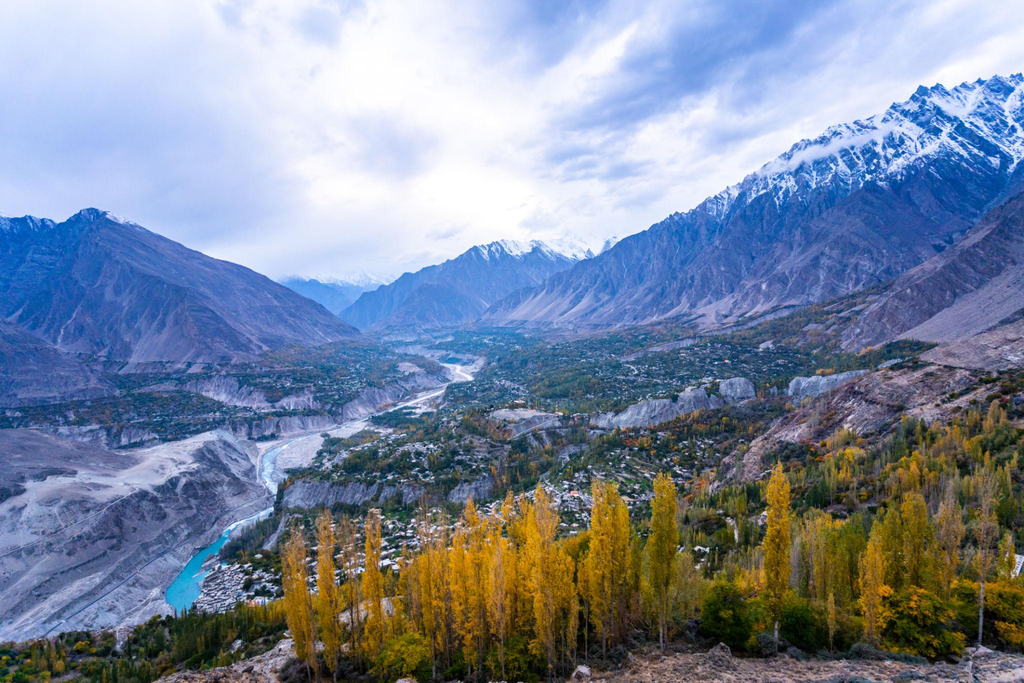
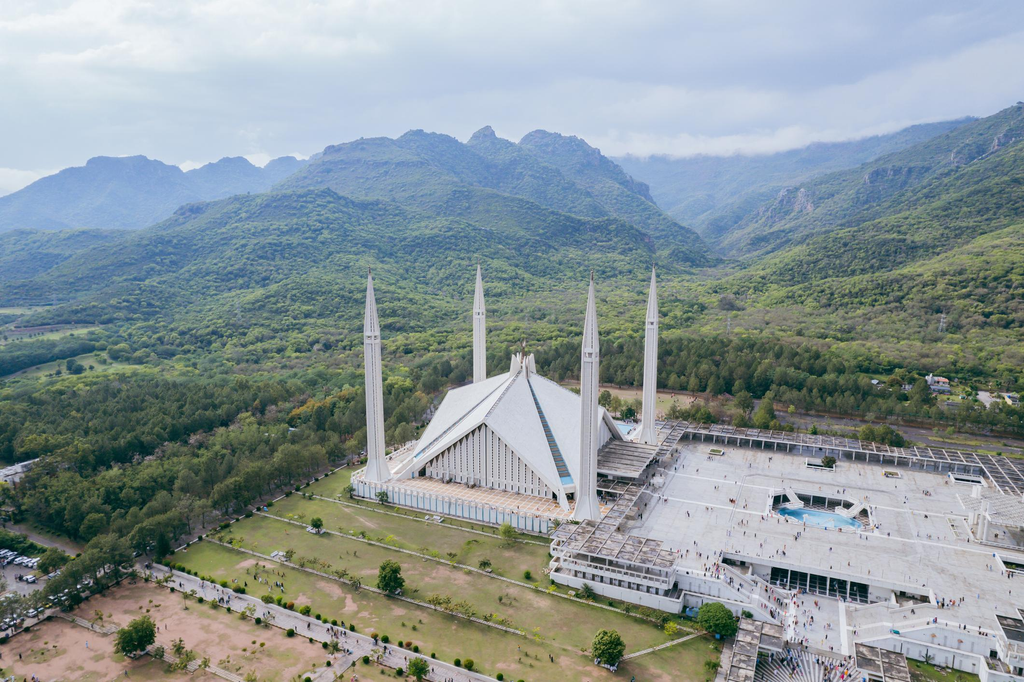
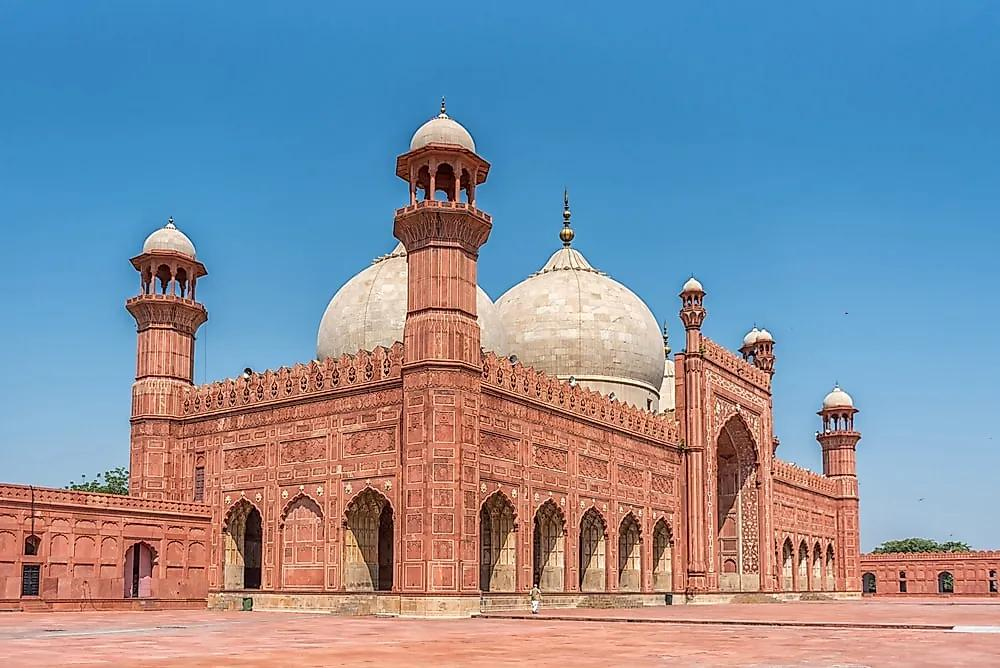
Some of the most attractive destinations include:
- Islamabad: Faisal Mosque, Daman-e-Koh, the Margalla Hills and cultural attractions.
- Lahore: Badshahi Mosque, Lahore Fort, Shalimar Gardens, historic bazaars and traditional Punjabi cuisine.
- Northern Pakistan: Hunza, Skardu, Gilgit, Swat and the breathtaking mountain landscapes of the Karakoram and Himalayas.
- Religious tourism: Important Islamic shrines, historic mosques and Sufi heritage sites.
- Historical tourism: Mohenjo-daro, Taxila and other archaeological destinations.
- Coastal tourism: Karachi, Gwadar and the scenic coastline of Balochistan.
Pakistan could develop dedicated tourism packages for Bangladeshi visitors, combining historical sightseeing, cultural experiences, shopping, family holidays and religious tourism.
Promoting Bangladesh as a Destination for Pakistani Visitors
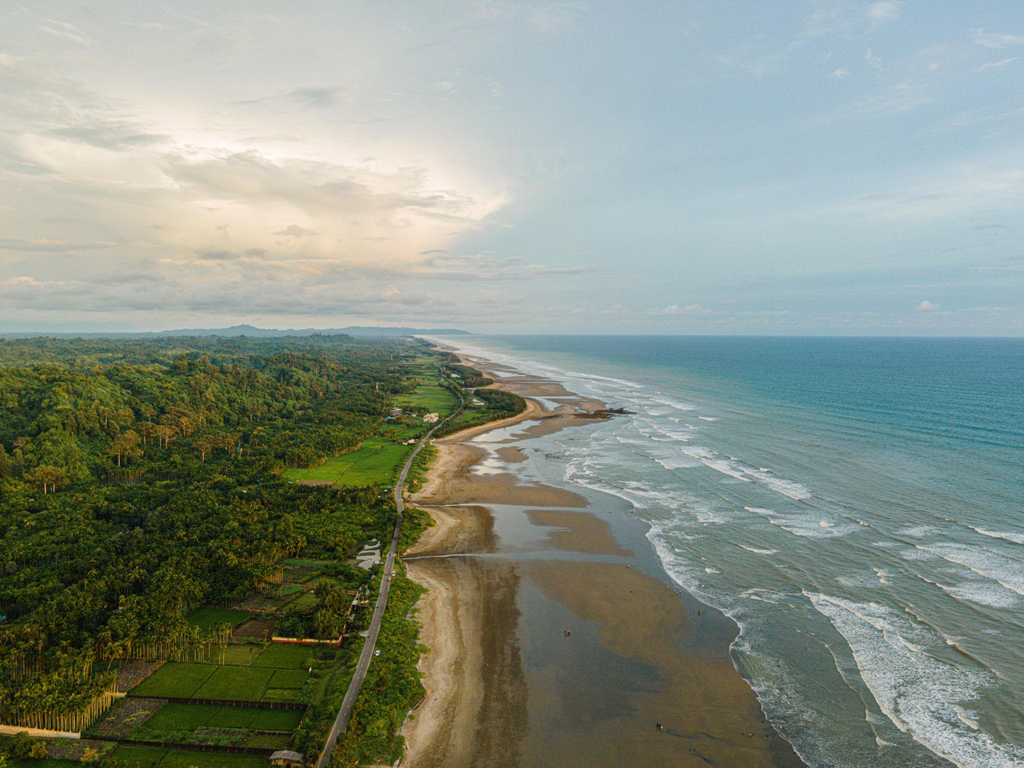
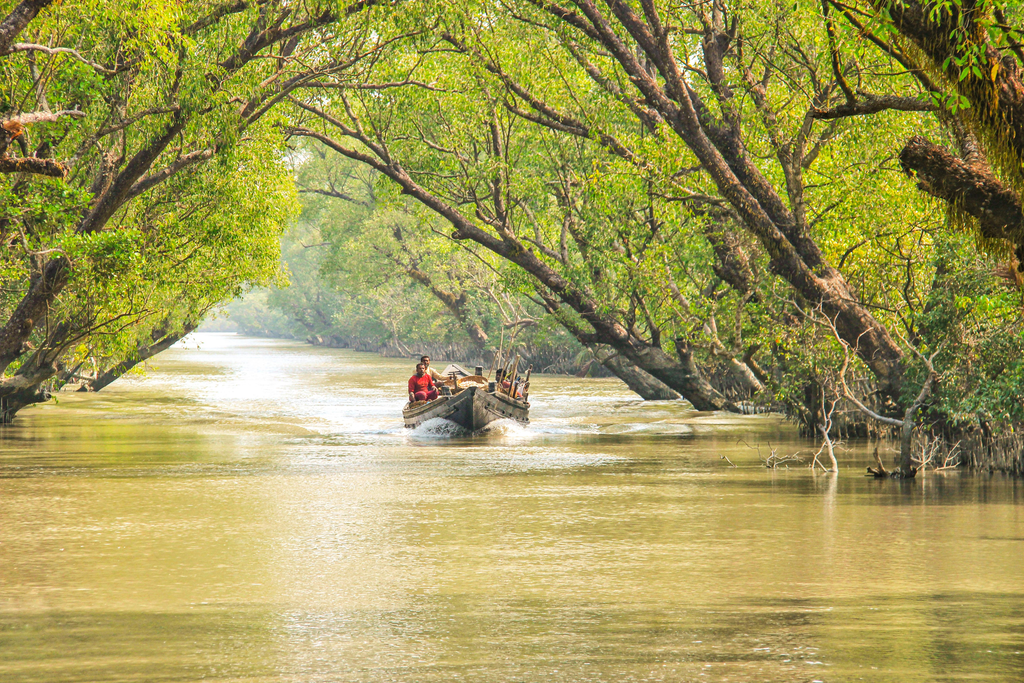
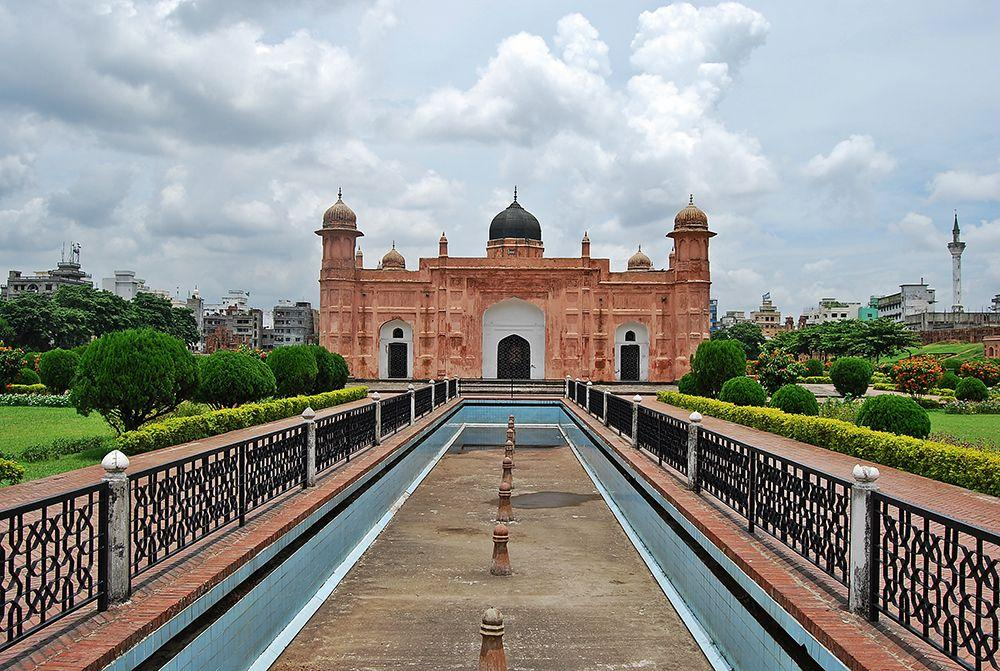


Bangladesh also offers distinctive attractions for Pakistani tourists.
Its natural landscapes, beaches, green tea gardens, rivers, historic architecture and cultural traditions provide opportunities for memorable travel experiences.
Tour operators in both countries could introduce affordable holiday packages, family tours, cultural trips and specialised travel experiences.
Medical, Educational and Religious Tourism
Medical tourism can become another important area of cooperation. Pakistani hospitals, medical universities and specialised healthcare institutions could attract Bangladeshi patients seeking treatment, while Pakistani visitors could explore healthcare and wellness services in Bangladesh.
Educational tourism could also expand through university visits, academic conferences, research exchanges and student programmes.
Both countries should additionally promote religious and cultural heritage tourism, encouraging visits to historic mosques, Sufi shrines, Islamic educational institutions and important cultural landmarks.
4. Direct Flights and Maritime Connectivity: Bringing Islamabad and Dhaka Closer
Improved transportation links are essential for turning diplomatic goodwill into practical economic cooperation.
One of the most significant developments was the restoration of direct air connectivity between Pakistan and Bangladesh after a 14-year interruption.
On 29 January 2026, Biman Bangladesh Airlines inaugurated its Dhaka-Karachi direct flight, marking an important milestone in bilateral relations. The development is expected to facilitate business travel, tourism, family reunions, educational exchanges and cultural interaction. Pakistan Information Database+1
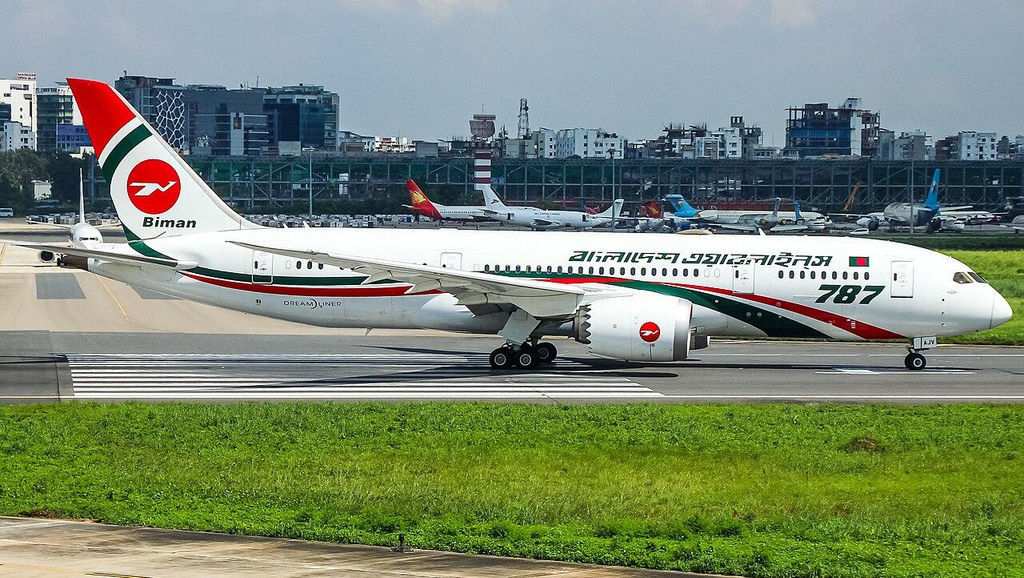
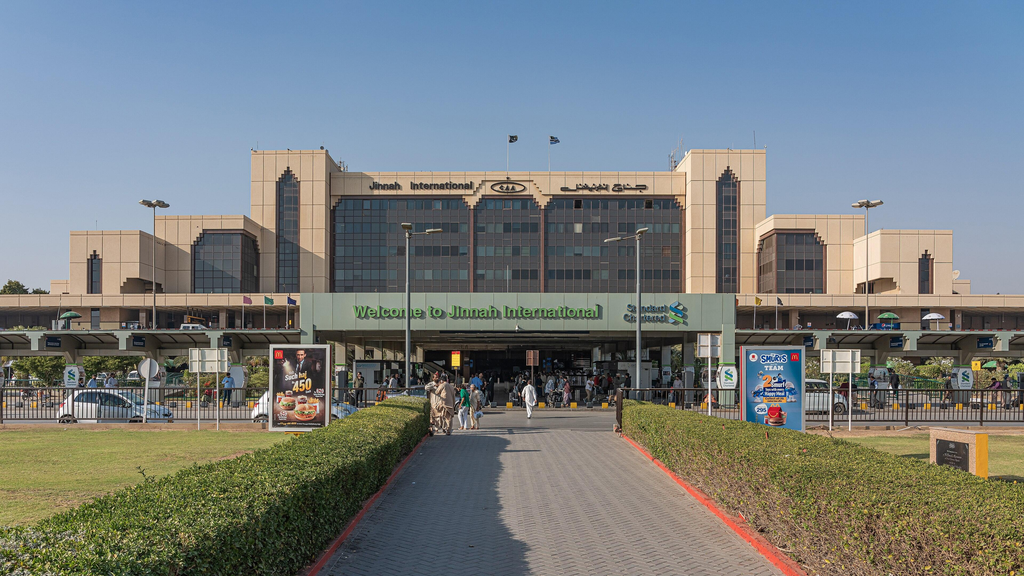
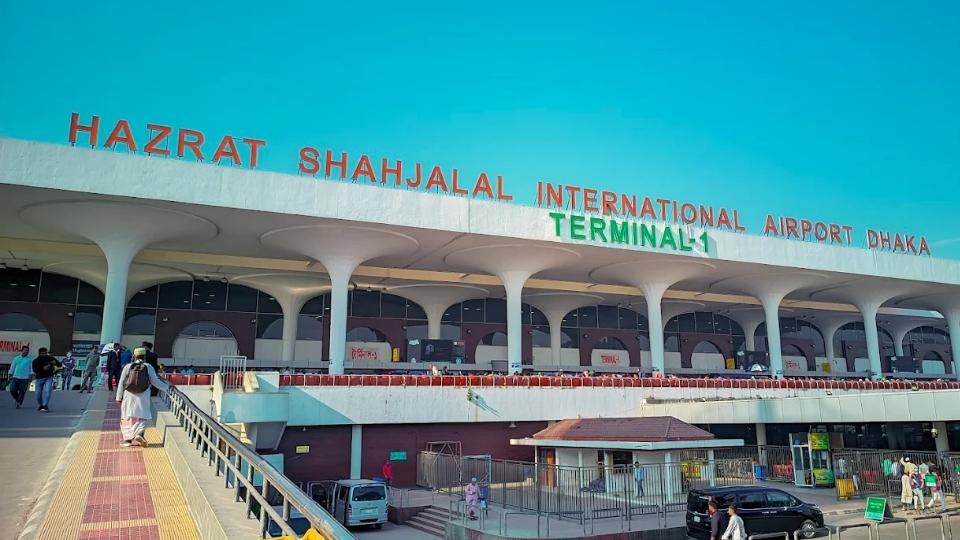
Both governments should encourage airlines to expand flight frequencies and explore additional connections between Dhaka, Karachi, Islamabad and Lahore, subject to commercial demand.
More convenient air links would encourage business delegations, investors, tourists, students and professionals to travel between the two countries.
Reviving Maritime Trade
Maritime connectivity is equally important.
The resumption of direct cargo shipping between Karachi and Chattogram has opened new possibilities for commercial exchanges. Both countries should work towards establishing regular and commercially viable shipping services.
Pakistan’s Karachi Port and Port Qasim, alongside Bangladesh’s Chattogram and Mongla ports, could become important components of an expanded regional trading network.
Improved shipping schedules, simplified customs procedures, digital documentation and efficient cargo handling would reduce transportation costs and make bilateral trade more competitive.
Cooperation in port management, shipping logistics and maritime training could also create opportunities for both countries.
5. Education, Youth Exchanges and Cultural Diplomacy
Education and cultural cooperation can provide the foundation for a lasting relationship between the people of Pakistan and Bangladesh.
An important initiative in this direction is the Pakistan-Bangladesh Knowledge Corridor, announced during Pakistan’s Deputy Prime Minister and Foreign Minister Senator Muhammad Ishaq Dar’s visit to Dhaka in August 2025.
Under this programme, Pakistan announced 500 fully funded scholarships for Bangladeshi students at Pakistani universities over five years. According to Pakistan’s Foreign Ministry, the first group of 74 students joined their respective institutions in February 2026. Ministry of Foreign Affairs Pakistan
The programme should be expanded through additional opportunities in medicine, engineering, information technology, agriculture, business administration, environmental sciences and artificial intelligence.
Universities in Islamabad, Lahore, Karachi and other Pakistani cities could establish partnerships with leading institutions in Dhaka, Chattogram, Rajshahi and other Bangladeshi cities.
Other useful initiatives could include:
- Annual Pakistan-Bangladesh youth leadership conferences.
- Student exchange and university partnership programmes.
- Joint scientific research and technology projects.
- Scholarships for postgraduate and doctoral studies.
- Cultural festivals featuring music, literature, films and traditional cuisine.
- Exchange programmes for journalists, writers, academics and artists.
- Joint sporting events, particularly cricket, football and hockey.
The two countries should also encourage media cooperation and balanced reporting to promote mutual understanding and highlight positive developments.
Cultural diplomacy can play a particularly important role in building trust and creating a new generation of Pakistanis and Bangladeshis who view each other as partners in regional progress.
6. Institutional Agreements and Stronger Diplomatic Engagement
Sustained diplomatic engagement is essential to ensure that bilateral initiatives translate into measurable results.
The resumption of foreign secretary-level consultations in April 2025, following a 15-year gap, and the subsequent visit of Deputy Prime Minister Ishaq Dar to Dhaka in August 2025 represented important milestones.
During the August visit, the two sides signed eight agreements and memoranda of understanding covering different areas of cooperation, including the Knowledge Corridor, institutional exchanges and economic engagement. A visa-waiver arrangement for diplomatic and official passport holders was also concluded. Ministry of Foreign Affairs Pakistan+1
The two governments should now focus on implementing these commitments and establishing clear mechanisms to monitor progress.
Priority areas should include:
- Regular foreign minister-level consultations.
- Annual meetings of the Joint Economic Commission.
- A structured defence and security dialogue.
- A joint trade and investment facilitation mechanism.
- Regular business and industrial delegations.
- Cooperation in education, science and technology.
- Simplification of visa procedures for businesspeople, tourists and students.
- Regular cultural, media and sporting exchanges.
A comprehensive bilateral cooperation roadmap with measurable targets could help both governments evaluate progress and maintain continuity.
7. Addressing Historical Sensitivities Through Mutual Respect and Reconciliation
While the future offers substantial opportunities, Pakistan and Bangladesh should recognise that a sustainable partnership must be built on mutual respect, trust and an honest understanding of their shared history.
Historical issues surrounding the events of 1971 remain sensitive in Bangladesh and have featured in diplomatic discussions. These concerns should be approached through constructive dialogue, empathy and respect for the experiences and sentiments of both nations.
Rather than allowing historical disagreements to obstruct future cooperation, both governments should encourage meaningful engagement and people-to-people reconciliation.
Academic exchanges, historical research, cultural interaction and dialogue among intellectuals could contribute to a better mutual understanding.
A forward-looking relationship does not require either country to disregard its history. It requires political maturity to address difficult issues while creating opportunities for future generations.
8. Regional Cooperation Through SAARC, OIC and the D-8
Pakistan and Bangladesh can also strengthen their cooperation through regional and international organisations.
Both countries are members of the Organisation of Islamic Cooperation (OIC), the Developing Eight (D-8), the South Asian Association for Regional Cooperation (SAARC) and the United Nations.
Their cooperation in these forums can advance shared interests in economic development, food security, climate resilience, trade facilitation, education and international peace.
As two important countries in the Muslim world, Pakistan and Bangladesh can also work together to promote economic cooperation among Islamic countries, encourage greater intra-OIC trade and support educational and technological development.
Their geographical positions provide opportunities to strengthen connections between South Asia, Southeast Asia, Central Asia and the Middle East.
Pakistan’s access to the Arabian Sea and Bangladesh’s strategic location along the Bay of Bengal could complement each other in developing regional trade and logistics networks.
9. A Practical Roadmap for a Stronger Pakistan-Bangladesh Partnership
To translate renewed diplomatic goodwill into long-term achievements, both countries should consider a practical cooperation agenda.
| Priority sector | Proposed initiatives |
|---|---|
| Defence | Military training, naval cooperation, aviation and defence technology |
| Trade | Reduce trade barriers and diversify exports |
| Investment | Joint ventures in textiles, pharmaceuticals and manufacturing |
| Tourism | Joint tourism promotion and affordable travel packages |
| Aviation | Expand direct flights and improve connectivity |
| Maritime | Regular cargo shipping and port cooperation |
| Education | Implement and expand the Knowledge Corridor |
| Technology | Cooperation in AI, IT, digital services and renewable energy |
| Culture | Festivals, media exchanges and sporting events |
| Diplomacy | Regular high-level consultations and institutional dialogue |
Both governments should also encourage their private sectors to play a more active role. Governments can create the diplomatic and regulatory environment, but businesses, universities, airlines, tourism companies and civil society organisations will be essential in delivering practical results.
Conclusion: A New Era of Partnership for Shared Prosperity
Pakistan and Bangladesh have an opportunity to establish a stronger, more comprehensive and mutually beneficial relationship that can contribute significantly to the future of South Asia.
The recent revival of diplomatic contacts, defence exchanges, trade initiatives, direct air connectivity and educational cooperation demonstrates that both countries recognise the importance of closer engagement.
Their relationship should not be limited to political goodwill or ceremonial diplomatic exchanges. It should develop into a practical partnership built around economic opportunities, modern defence cooperation, tourism, technology, education and regional connectivity.
Pakistan can contribute its industrial capabilities, defence manufacturing experience, agricultural resources, strategic location and educational institutions. Bangladesh can offer its strong manufacturing base, export-oriented garment industry, growing consumer market, skilled workforce and strategic access to the Bay of Bengal.
Together, the two countries can create new opportunities for entrepreneurs, manufacturers, investors, students, tourists and young professionals.
The restoration of direct flights between Karachi and Dhaka is an encouraging symbol of this changing relationship. The next step should be to make travel easier, trade more competitive, investment more attractive and cultural exchanges more frequent.
A stronger Pakistan-Bangladesh partnership would not only benefit the two countries but could also contribute to a more connected, economically prosperous and cooperative South Asia.
The message for both governments, business communities and people is clear: the future of Pakistan-Bangladesh relations should be shaped by mutual respect, economic opportunity, friendship and shared prosperity.
BY: Nadeem Faisal Baiga