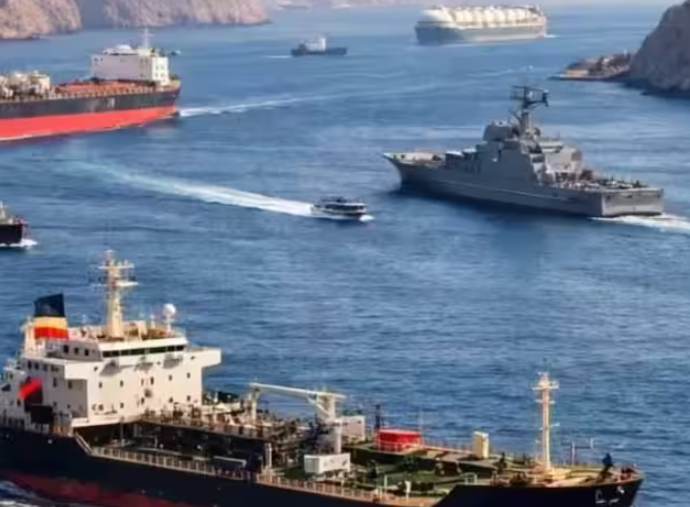
SINGAPORE: More than 80 percent of vessel transits through the Strait of Hormuz over the past two weeks have used the Omani side of the strategic waterway, a UN-authorized shipping channel, according to shipping data cited by CNN.
The sharp shift in maritime traffic indicates that Iran may have partially lost control over shipping movements through the strait, according to Homayoun Falakshahi, head of crude oil analysis at maritime intelligence firm Kpler. He noted that traffic through the Omani route had been virtually nonexistent a month earlier.
The development has also significantly reduced Iran’s ability to collect transit fees from vessels using its preferred route. Iran had sought to impose such charges on shipping traffic through the strait earlier this year.
Dan Pickering, founder and chief investment officer of Pickering Energy Partners, said the Omani route was increasingly being viewed by shipping operators as the more practical option, particularly given opposition to Iranian toll demands.
Iran-Oman Navigation Talks Continue
Iran and Oman have been negotiating for weeks over arrangements for navigation through the Strait of Hormuz. Tehran has said that the geographical coordinates of a proposed maritime route have already been agreed upon.
Under a developing arrangement outlined by two regional officials to The Associated Press, vessels would enter the Arabian Gulf through a route controlled by Iran and leave through an Omani-controlled route. Service fees could be imposed for security services and measures aimed at protecting the marine environment.
Iranian Parliament Speaker and senior negotiator Mohammad Bagher Qalibaf said earlier this week that the strategic waterway would not be fully reopened until the United States met Tehran’s demands, including the lifting of a naval blockade.
Vessel Traffic Remains Below Normal Levels
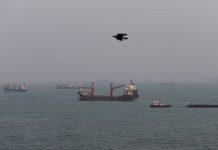
Shipping activity through the Strait of Hormuz remained subdued on Tuesday, with many shipowners continuing to avoid the vital waterway amid uncertainty over its operational status following the Iran war.
Kpler data showed that six commodity vessels had crossed the strait by 0258 GMT on Tuesday, down from nine the previous day and below the 10-day daily average of 11 vessels.
Inbound traffic included an empty very large crude carrier that used the Omani side of the strait, along with two tankers—one medium-range vessel and another of intermediate size.
Outbound traffic comprised two medium-range fuel tankers and a post-Panamax vessel.
The latest figures came amid conflicting statements from Washington and Tehran. US President Donald Trump said on Tuesday that no negotiations were taking place with Iran and maintained that the Strait of Hormuz was open. His remarks contradicted Iran’s position that the waterway remained closed to shipping.
Global Energy Supplies Remain at Risk
Before the conflict, the Strait of Hormuz carried roughly one-fifth of global crude oil and liquefied natural gas shipments, making any sustained disruption a major concern for international energy markets.
Security concerns have also affected shipping through other strategic waterways. According to tanker-tracking firm Vortexa and a shipping broker, two major Chinese shipping companies that previously transported around half of China’s Middle Eastern oil imports have kept their tankers away from both the Strait of Hormuz and the Bab El-Mandeb since late July.
At the Bab El-Mandeb Strait, where Yemen’s Houthi movement declared a naval blockade against Saudi Arabia on July 20, Kpler recorded 30 weekend transits by commodity vessels, up from 19 the previous week.
However, no Saudi oil shipments were tracked during the period, underscoring continued uncertainty over commercial shipping routes and regional energy flows.
BY: The Times Union