- Two-day initiative brings together government officials, humanitarian partners, journalists, youth leaders and digital influencers to promote people-centred climate communication and highlight women’s resilience
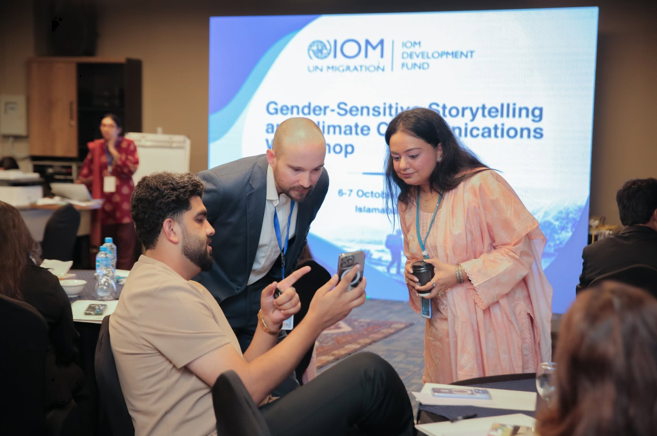
ISLAMABAD: The International Organization for Migration (IOM) in Pakistan has convened a two-day capacity-building workshop in Islamabad focused on gender-sensitive climate storytelling and strategic communications, bringing together government representatives, humanitarian partners, youth leaders, journalists and digital influencers.
The workshop aimed to strengthen participants’ ability to communicate complex climate policies through compelling, accessible and people-centred narratives, highlighting the experiences of communities on the front lines of climate change, particularly women and other vulnerable groups.
Aligned with Pakistan’s National Adaptation Plan (NAP) and the United Nations Environment Programme’s (UNEP) NAP Communications Strategy, the initiative explored ways to bridge the gap between climate policy and public understanding by presenting climate adaptation through real-life experiences, local perspectives and stories of resilience.
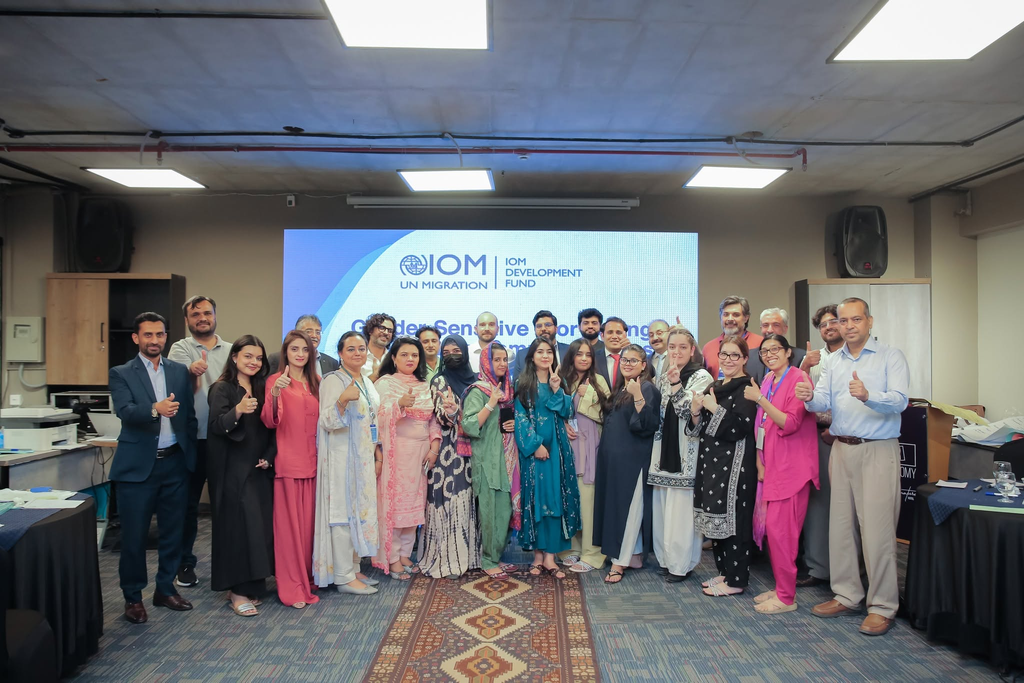
Participants discussed how effective storytelling and strategic communications can help raise public awareness, encourage community engagement and bring greater visibility to the contributions of women and local communities in addressing climate-related challenges.
The workshop also underscored the importance of inclusive communication in ensuring that the voices and experiences of affected communities are reflected in climate discussions and adaptation efforts.
Taking Local Climate Stories Across Pakistan
IOM Pakistan plans to extend the initiative to other cities across the country, creating further opportunities to highlight local experiences, amplify community voices and showcase practical examples of resilience and climate adaptation.
By connecting policy priorities with the lived realities of communities, the initiative seeks to strengthen public engagement and support more inclusive climate action across Pakistan.
The programme reflects the growing importance of strategic communications in climate resilience efforts, recognising that meaningful climate action requires not only effective policies but also clear communication, community participation and greater recognition of the people working to adapt to a changing climate.
BY: Nadeem Faisal Baiga