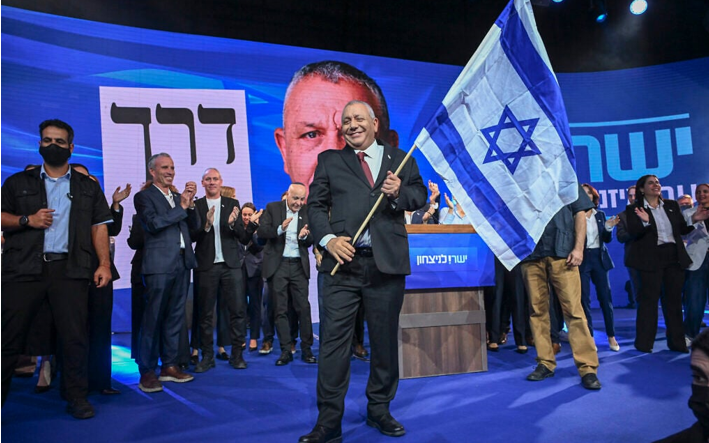
- Yashar leader shellacks Netanyahu with 67 MKs telling president he should get first crack at building coalition, likely taking power sharing proposal off table, but path to majority still uncertain
It’s hard to think how things could have gone worse on Thursday for Prime Minister Benjamin Netanyahu, or better for his chief challenger, Yashar leader Gadi Eisenkot.
Well before Likud, Yashar, or even B’Yachad joined party after party striding into President Isaac Herzog’s office to discuss who he should nominate to form a government, it was clear that he would be handing the torch to Eisenkot.
With 67 MKs recommending that Herzog give him first crack at building a coalition, Eisenkot now has momentum on his side and little impetus to focus on power sharing. But with the number of those lawmakers actually willing to work together far shy of a majority, Thursday’s developments did little to change the math putting the country on a trajectory toward a stalemate, and it is unclear if Eisenkot will be able to change the equation.
The clincher for Eisenkot to get the mandate seemed to come in the mid-afternoon, when the Joint List made a surprise announcement that it would ask Herzog to nominate the Yashar leader, after previously indicating that it could abstain.
But in reality, the die was largely cast much earlier, when United Torah Judaism became the election’s lone free agent, refusing to recommend Netanyahu to Herzog and signaling that it might be willing to switch teams for the right price.
Before the premier’s very bad day, analysts had predicted that he would have 53 seats worth of recommendations, just a few shy of Eisenkot’s predicted 56.
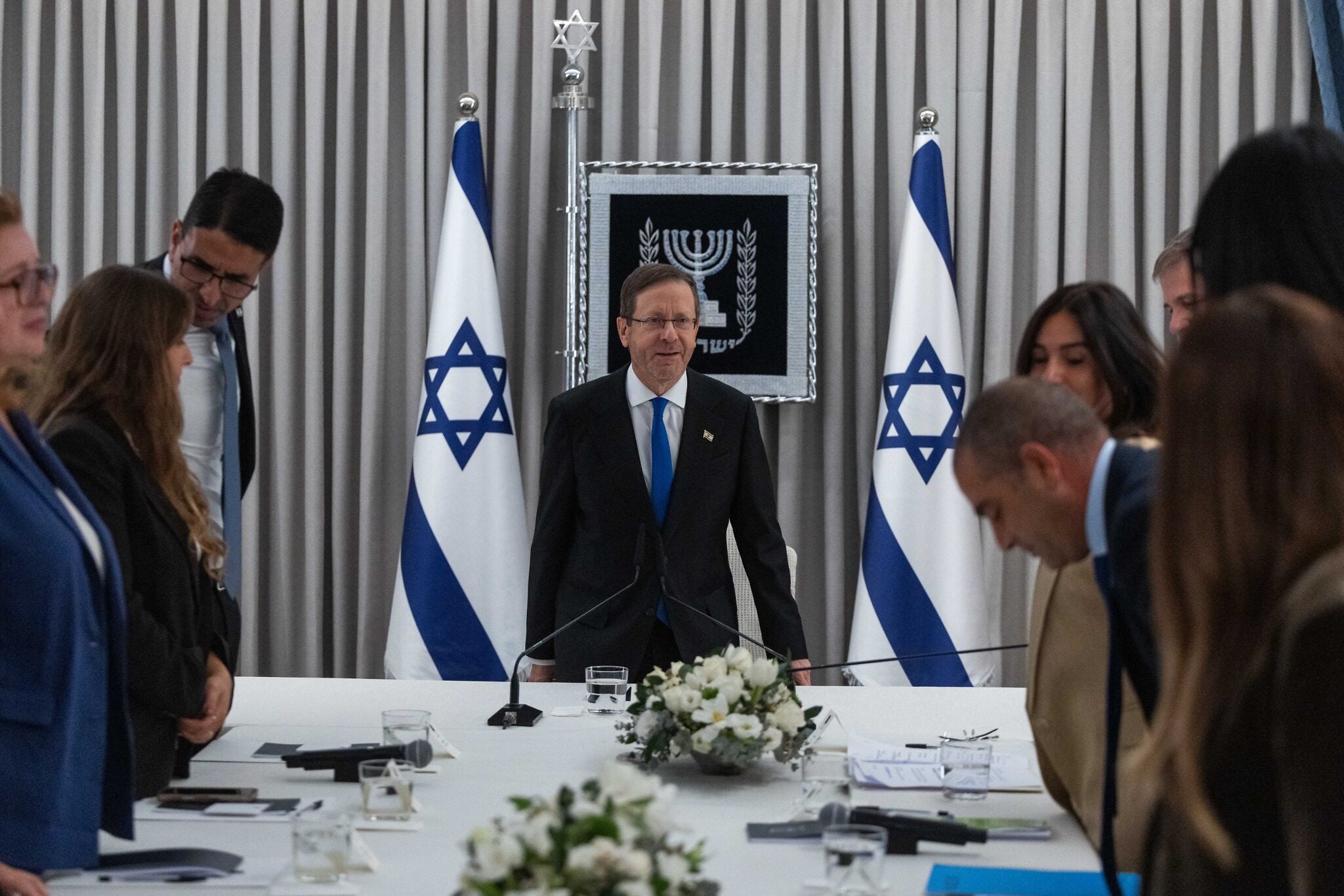
Residence in Jerusalem during consultations with political parties,
November 5, 2026.
Those numbers would have likely still resulted in Eisenkot getting the nod, but psychologically they would have only bolstered the feeling that the camps were tightly deadlocked and headed toward a new round of elections.
In that scenario, the president may have been more hesitant about nominating Eisenkot and would likely have at least used the occasion to prod him toward a unity deal that would include sharing power with Netanyahu and his 27-seat Likud faction rather than returning Israelis to the ballot box.
Instead, the moves by UTJ and the Joint List resulted in Eisenkot whomping Netanyahu 67 to 46 Knesset seats on recommendations, bolstering the former general and his allies and giving them what they see as a mandate to pursue full-on regime change, with Netanyahu booted back to the opposition benches.
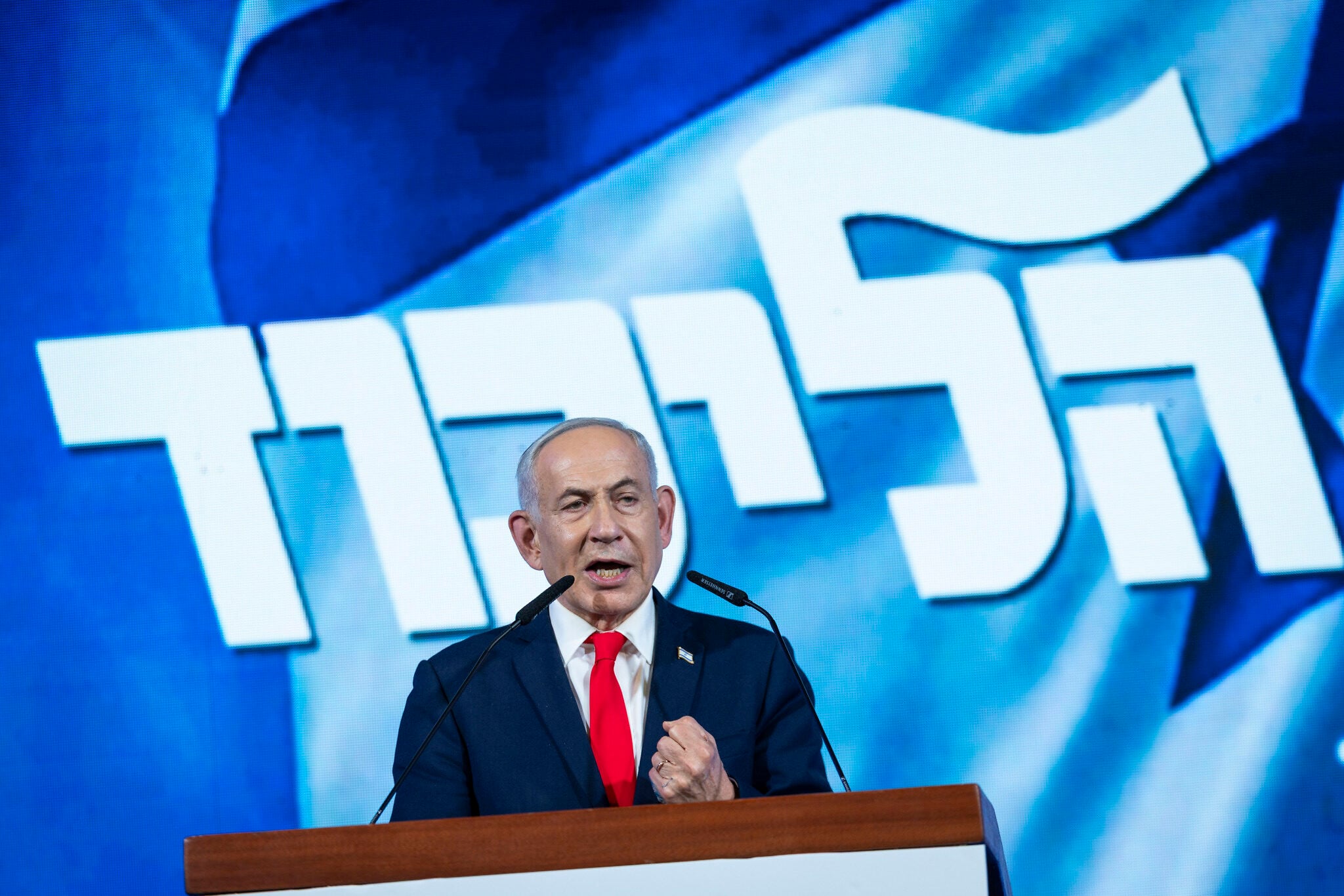
party’s election headquarters at Binyanei HaUma
(Jerusalem International Convention Center) in Jerusalem, following Israel’s
general elections, early October 28, 2026.
“The public told the October 7 government ‘Go home,’” Yashar MK Shaul Meridor told Herzog Thursday night when the president tried to broach the topic of a unity deal.
Yet of the 67 MKs who told Herzog they support Eisenkot as prime minister, and 74 who did not recommend Netanyahu as premier, only 48 are actually prepared to ally with each other without caveats. That’s five fewer than Netanyahu’s bloc including UTJ, which may just be playing hardball rather than actually planning on jumping ship.
Neither the Joint List nor UTJ have said they will actually support an Eisenkot-led government, making the 67-46 tally more a theoretical idea than a reflection of political reality. If the Yashar leader has any hope of turning Thursday’s events into tangible change, the real work starts now, with only a few weeks until his presumed mandate expires.
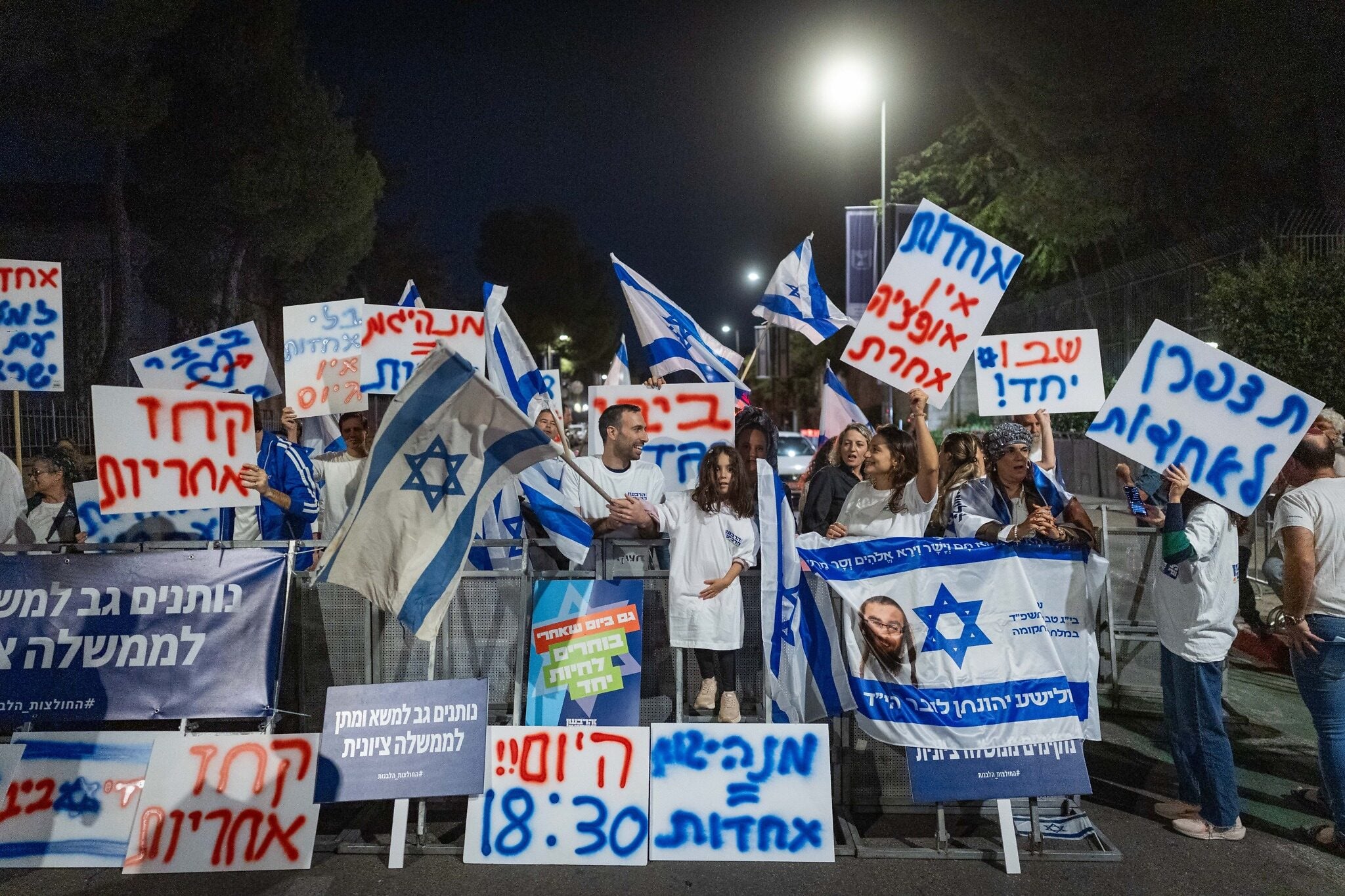
the formation of a national unity government, November 5, 2026.
Figuring out how to grow that 48 figure without having to subtract others will be his main challenge. It’s hard to imagine the hawkish, right-wing Yisrael Beytenu agreeing to a coalition that relies on support from the Arab parties Joint List and Ra’am, a scenario faction leader Avigdor Liberman has specifically ruled out.
No less easy to imagine is how any party in Eisenkot’s camp will agree to whatever conditions UTJ demands in exchange for its backing. The ultra-Orthodox party is at the forefront of the fight for Haredi military draft deferrals, putting it in diametric opposition to nearly everyone in the Eisenkot camp (aside from Ra’am, which actually has much in common with UTJ).
That scenario may indeed be impossible, given that any such deal would be tantamount to a political suicide pact for all involved. The only upside is that Netanyahu, who has shown himself willing to make far-reaching concessions to UTJ in exchange for its backing, might have a harder time making hay out of such an alliance.
Not so a coalition reliant on Arab support, should Eisenkot choose that route. The campaign being waged by Likud and its allies since October 27 casting doubt on the Arab vote is likely only a preview of the delegitimization campaign they may conduct against a minority government dependent on the outside support of the Joint List and Ra’am.
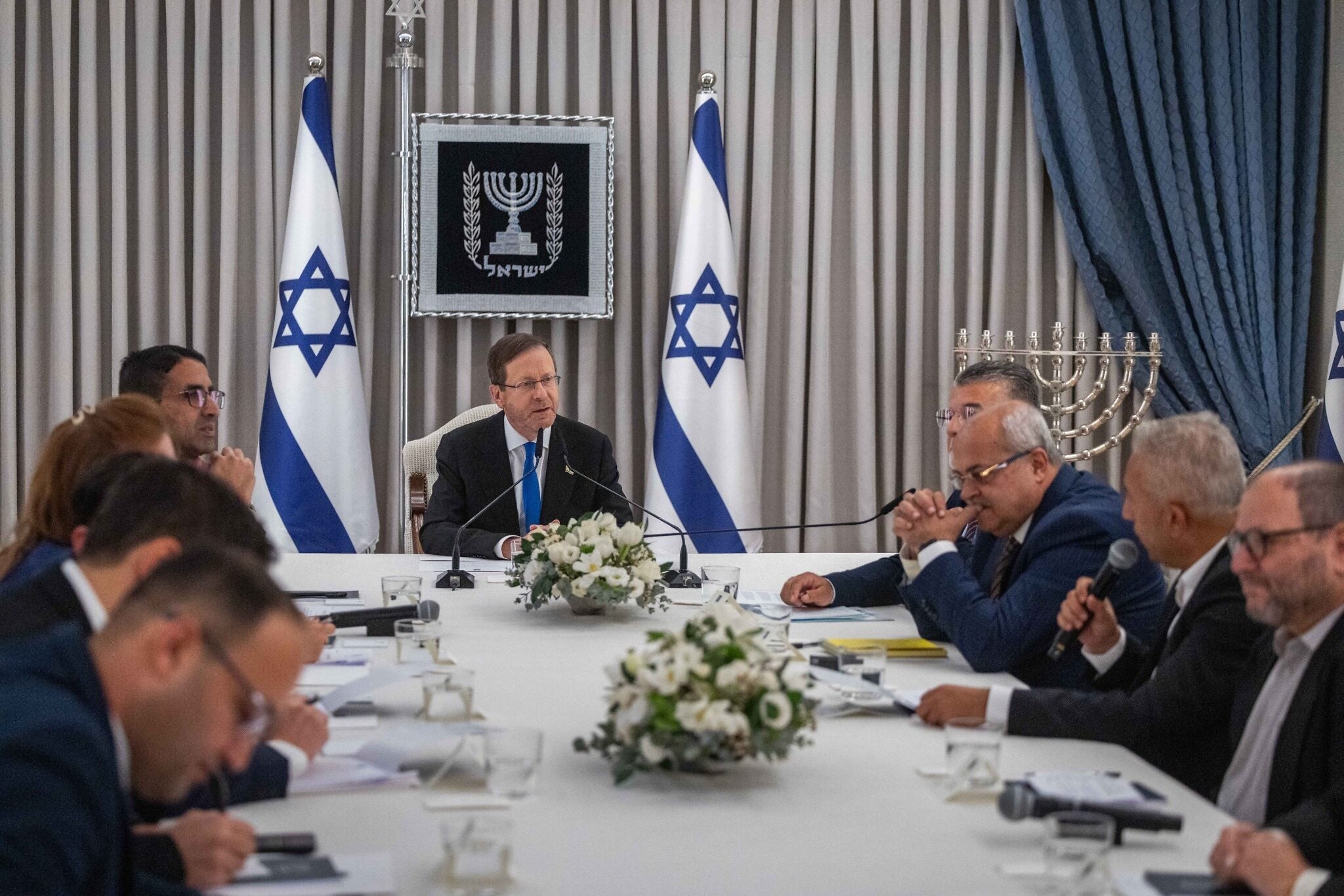
Residence in Jerusalem during consultations on whom to recommend to form the
next government, November 5, 2026.
As opposed to claims of fraud, which can be disproven or cleared away, an appeal to Jewish Zionist voters’ basest emotional objections to Arab political power can prove a lasting and toxically potent tool for Netanyahu to stymie Eisenkot’s aspirations.
Given Eisenkot’s relative lack of experience in coalition horse trading, watchers may wonder if he has what it takes to overcome what seem like insurmountable hurdles on his way to power.
Unlike Netanyahu, who has a reputation for being something of a magician when it comes to pulling coalition rabbits out of hats, Eisenkot has yet to show himself capable of the type of sleight of hand such a trick may require.
But thanks in no small part to UTJ and the Joint List, it will be Eisenkot, not Netanyahu, who holds the cards.
BY: Joshua Davidovich