- US president says US needs to take care of ‘one or two sites’ in Iran as talks ongoing to avert fighting; Iranian security chief says Tehran mulling lifting ban on nuclear weapons
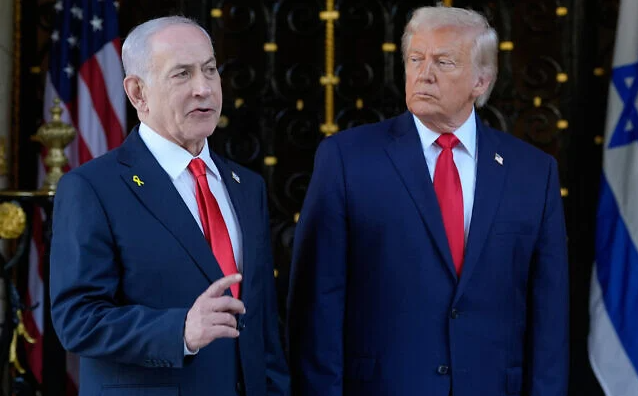
US President Donald Trump and Prime Minister Benjamin Netanyahu reportedly spoke on Saturday morning over the phone as the United States laid plans to resume strikes on Iran.
The Wall Street Journal reported the call, citing people familiar with the conversation, as Trump told reporters in Palm Beach later in the day that the US wanted to destroy up to two more targets in Iran.
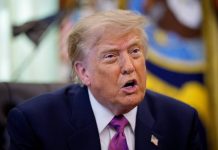
“We still have to take care of, I would say, one or two sites, but we can do that in 10 minutes,” he said. “You probably could look at Pickaxe Mountain, and you have to take care of that.”
Pickaxe Mountain has been flagged by Western intelligence as a site likely used to store nuclear material, and has not been struck yet by the US in the war.
Trump also said that negotiations with Iran are “going fine” but that the Islamic Republic was “not very reliable.”
Iranian negotiators held talks in Doha with Qatari mediators on Saturday to discuss paths out of war in the Gulf, a source who was briefed on the negotiations told Reuters, as diplomats try to avert new fighting after the US midterm elections this week.
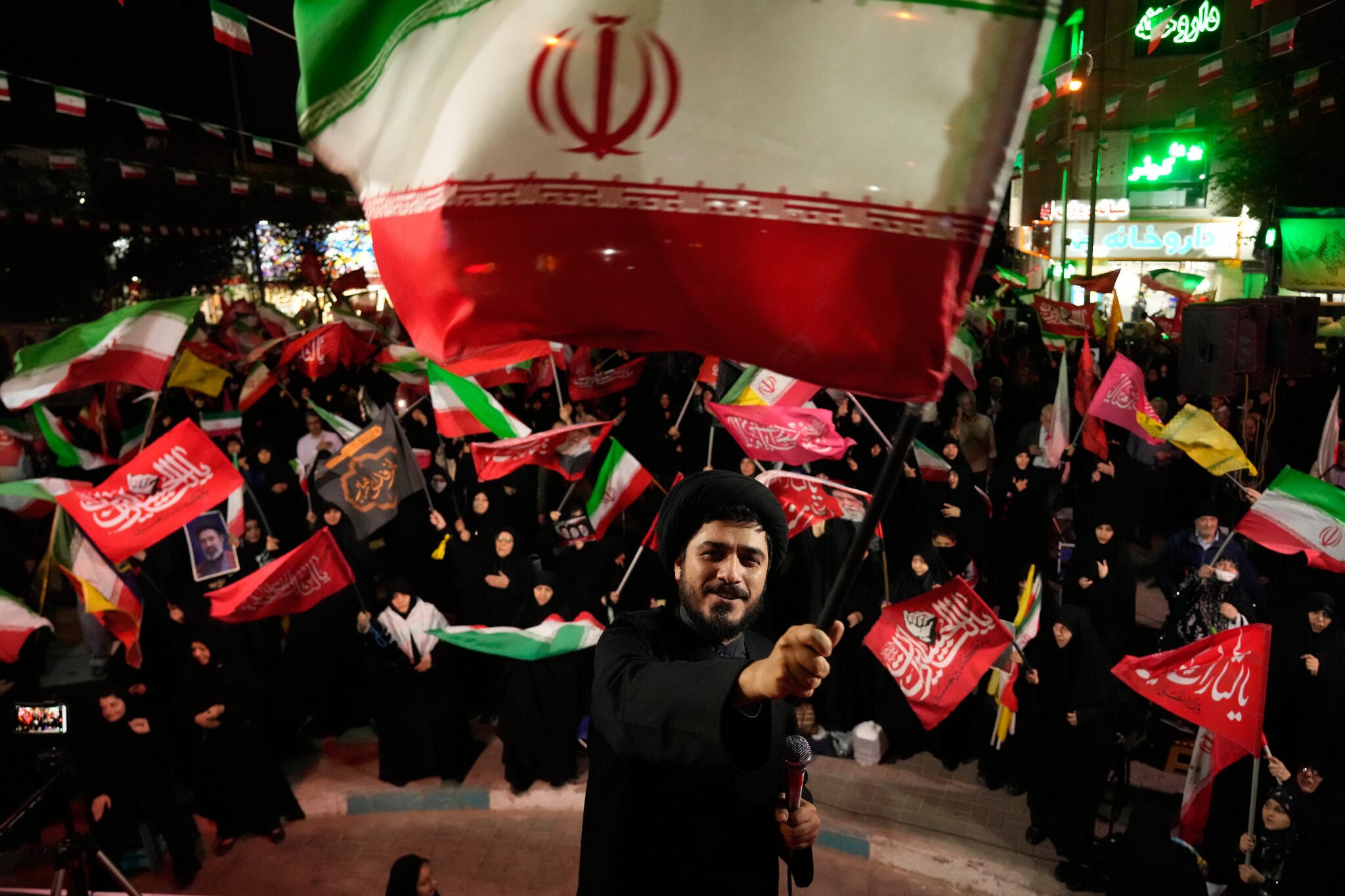
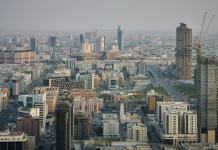
gathering in Tehran, Iran, October 27, 2026.
Saturday’s talks in the Qatari capital followed more than 12 hours of discussions on Friday between Iranian and Qatari envoys in Tehran, said the source, who spoke on condition of anonymity. The source said the talks were being coordinated in regular contact with Washington.
Countries in the region have been anticipating that Trump could restart attacks once the voting is over. Iran has repeatedly said it would respond to any new attacks by striking at US and Israeli targets in neighbouring countries.
Washington has warned Gulf allies to prepare for a possible new round of strikes on Iran as early as November 4, a day after the US midterm elections, MSNOW reported earlier on Saturday, citing three senior Gulf Arab officials familiar with the discussions.
The strikes are expected to be brief but intense, according to the officials, who said the Gulf states are pressing Washington to de-escalate amid fears of Iranian retaliation.
The US has not struck Iran since September 1, while Trump has pledged to refrain from further attacks until after the midterms.
Iran’s Supreme Leader Ayatollah Mojtaba Khamenei issued a statement on Saturday ordering the armed forces to be prepared to respond to any attacks. The Iranian military later announced it was taking steps to improve its readiness.
Meanwhile, Iran’s influential security chief Mohsen Rezaei said Tehran was debating whether to lift its longstanding ban on nuclear weapons should hostilities resume, although he said no such decision had been taken.
Former supreme leader Ali Khamenei banned the development of nuclear weapons in a fatwa, or religious decree, in the early 2000s, and Iran has consistently denied seeking to acquire the weapons.
However, it has enriched uranium to levels that have no peaceful application, obstructed international inspectors from checking its nuclear facilities, and expanded its ballistic missile capabilities. Prior to the June 2025 war between the countries, Israel said Iran had recently taken steps toward weaponization.
Rezaei said Saturday there can be no talks on Iran’s nuclear program unless Washington accepted Iran’s demands. He said the Strait of Hormuz will remain closed until Iran’s conditions are met.
Iran has been proposing its own seven-day plan since September, so far rejected by Trump. That calls for Washington to lift a blockade of Iranian ports, unfreeze assets and approve an Iranian-backed route through the Strait of Hormuz, after which the contested strait would be reopened.
Rezaei also said the tone of the US has “completely changed” after Vice President JD Vance sent a letter to Iranian officials in recent days in a bid to revive talks.
“I read the letter. I haven’t yet responded. Their tone has completely changed,” he said, adding the change in tone is “a good sign” and shows Iran “consolidated its victory.”
Rezaei said he hasn’t responded to the letter and wouldn’t comment further on its contents.
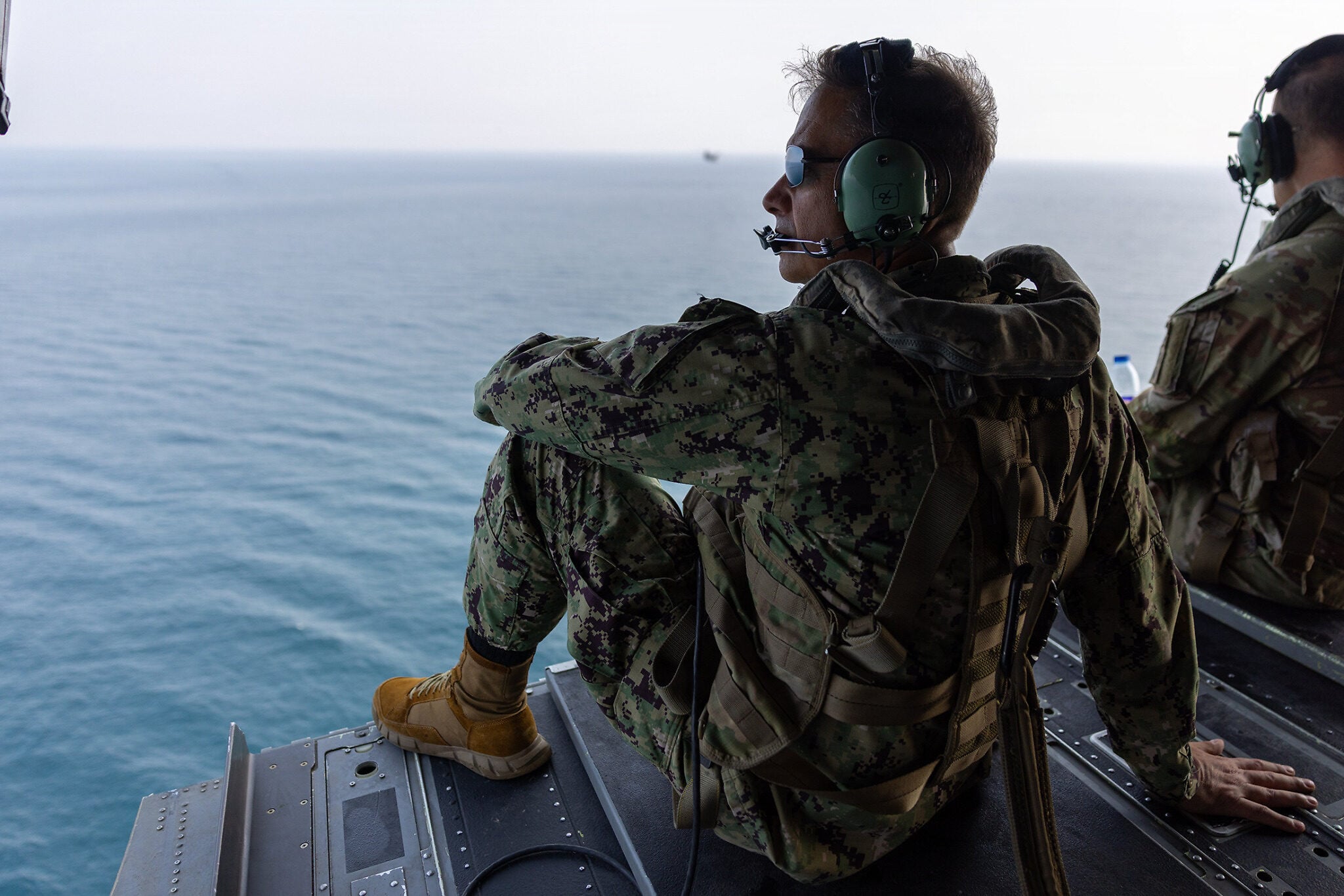
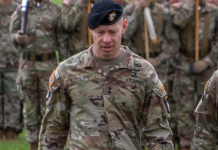
Brandon Tegtmeier, 82nd Airborne Division commander (right), fly over the Strait of
Hormuz in a US Army CH-47 Chinook, October 25, 2026.
His comments came as indirect mediation via Qatar continued, though Iranian officials said earlier today that they had no plans to meet with US officials.
Israel and the US jointly launched the war on Iran on February 28 in a bid to destabilize its regime and destroy its ballistic missile and nuclear programs.
In June, Iran agreed with the United States to a memorandum of understanding laying out a pathway to a permanent settlement of the conflict, only for the deal to quickly unravel as each side accused the other of violating it.
BY: The Times Union