- Ukraine’s Capital Braces for Prolonged Blackouts as Damage to Critical Energy Infrastructure Raises Fears of Severe Winter Hardship
KYIV: Ukraine’s capital is facing an increasingly difficult winter as repeated Russian strikes threaten electricity transmission infrastructure and reduce the city’s ability to meet its energy needs. With temperatures expected to fall, concerns are mounting that millions of residents could face prolonged power cuts, heating disruptions and growing difficulties in accessing essential services.
Even a relatively mild winter may not prevent a serious energy crisis if further attacks damage critical substations and transmission lines. The central question is whether Ukrainian air defence systems, emergency power supplies and repair crews can prevent the worst-case scenario.
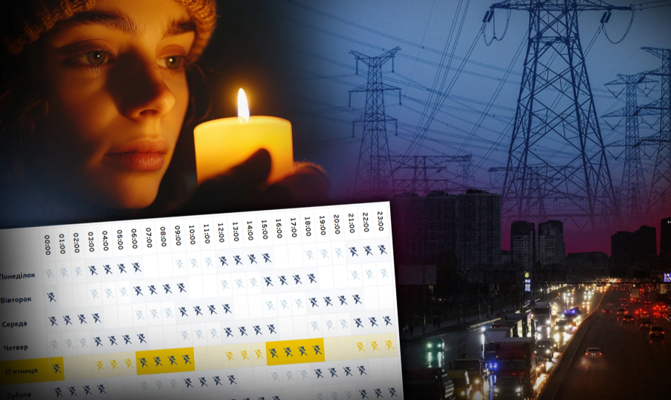
According to an analysis published by Ekonomichna Pravda, Kyiv could face electricity outages lasting between eight and 20 hours a day under different scenarios, depending on the severity of attacks, the weather and the speed of repairs.
Critical Energy Infrastructure Under Persistent Threat
Russian attacks have increasingly threatened the infrastructure that connects Kyiv to Ukraine’s wider electricity network. The reported objective of these strikes is to disrupt the capital’s power supply by damaging key transmission facilities and weakening the system that delivers electricity from other regions.
Kyiv has already lost a substantial portion of its local electricity generation capacity, while damage to substations could further restrict the amount of electricity reaching the city.
The capital’s electricity supply depends heavily on a network of high-voltage transmission lines and 330-kilovolt substations, commonly described as Kyiv’s power ring. This network allows electricity to reach the city from different directions and provides alternative routes when individual components are damaged.
A major component of the system is the 750-kilovolt Kyivska substation, which facilitates the transmission of electricity from major generating facilities, including the Rivne and Khmelnytskyi nuclear power plants.
Damage to several critical points could significantly reduce the network’s capacity, leaving Kyiv short of electricity even when sufficient power is available elsewhere in Ukraine.
Loss of Local Power Generation Deepens the Crisis
Kyiv is Ukraine’s largest electricity consumer, with estimated demand of approximately 1–1.2 gigawatts under ordinary conditions. During winter, consumption could rise to between 1.8 and 2 gigawatts as households and businesses require more energy.
Before the latest wave of attacks, local generation played an important role in meeting the capital’s needs. According to energy-sector sources cited by Ekonomichna Pravda, local facilities may previously have supplied as much as 1.3 gigawatts.
These facilities included Kyiv combined heat and power plants CHP-5, CHP-6 and Darnytsia CHP-4, which provide electricity alongside heat for the city’s district heating network.
The plants have reportedly been unable to generate electricity, and all three were struck again during the large-scale Russian attack on the night of October 13–14, according to Ukrainian media reports.
As a result, Kyiv has become increasingly dependent on electricity transmitted from other regions. Continued attacks on substations and transmission infrastructure threaten this alternative supply route, creating additional uncertainty for the approaching winter.
How Damage to the Power Network Could Trigger Longer Blackouts
The electricity network does not necessarily need to be completely destroyed to cause a severe crisis. Damage to a limited number of strategically important substations, transformers or transmission lines can restrict the volume of electricity delivered to the capital.
When transmission capacity falls below demand, electricity system operators must impose restrictions to prevent wider instability and protect the remaining network. This can result in emergency outages or scheduled electricity cuts for households and businesses.
Repair times vary according to the extent of the damage. Some equipment can be restored relatively quickly, while replacing large power transformers and other specialised components may require considerably more time.
Repeated attacks create further complications by damaging recently repaired facilities, delaying access for repair crews and exposing energy workers to continuing danger. Prolonged air-raid alerts can also slow repair operations.
These challenges mean that even successful emergency repairs may not guarantee a stable electricity supply if further attacks follow.
Kyiv Faces Three Possible Winter Scenarios
The severity of the energy crisis will depend on the interaction of three major factors: freezing temperatures, rising electricity demand and further damage to the infrastructure supplying the capital.
1. A relatively manageable winter: 8–10 hours of daily outages
If damaged equipment can be repaired promptly and subsequent attacks do not cause major additional losses, electricity restrictions could remain comparatively manageable. Nevertheless, households may still experience substantial daily power cuts.
2. A prolonged energy crisis: 12–16 hours without electricity
If attacks continue and critical equipment remains damaged, Kyiv could face significantly longer outages, particularly during periods of moderately cold weather. Such conditions would place additional pressure on households, businesses and public services.
3. A severe winter emergency: Up to 20 hours of daily outages
The most serious scenario would involve repeated large-scale attacks on key substations and transmission facilities coinciding with severe frosts. Under these circumstances, electricity cuts could reportedly reach 20 hours a day.
However, energy-sector sources cited by Ekonomichna Pravda do not consider the complete destruction of the power network and a total, sustained blackout inevitable.
The actual impact would depend on which facilities are damaged, how quickly repairs can be completed and how much electricity can continue to reach the capital through alternative routes.
Hospitals, Water Supplies and Heating Face Additional Risks
Beyond household electricity shortages, prolonged outages could threaten the operation of essential urban infrastructure, including water pumps, heating systems, hospitals, public transport and communications networks.
Maintaining these services requires reliable backup electricity generation, particularly when the main grid is unable to meet demand.
According to the cited Ukrainian analysis, Kyiv requires approximately 200 megawatts of generating capacity to support critical infrastructure, primarily through combined heat and power units and high-capacity generators.
Around 150 megawatts of distributed generation capacity had reportedly been brought into operation in the capital, with the figure expected to rise to 180–185 megawatts by the end of 2026. Private facilities providing a further 55–60 megawatts could also become operational before winter, with approximately half reportedly already ready.
These additional resources could help sustain essential services during outages, although their effectiveness would depend on operational readiness, fuel availability and the specific needs of critical facilities.
Air Defence and Emergency Repairs Could Determine Kyiv’s Winter Outlook
Protecting energy infrastructure against further attacks remains a major challenge. Air defence systems are particularly important in limiting damage from incoming missiles, while physical protection at substations can reduce the consequences of certain strikes.
However, protective structures cannot guarantee that critical equipment will survive a direct hit, particularly from powerful ballistic missiles.
Maintaining adequate stocks of replacement equipment, ensuring that trained repair crews are available and preparing clear emergency procedures will therefore be essential to reducing the impact of future attacks.
Ukraine’s energy workers have gained considerable experience in restoring damaged infrastructure during previous winters. Nevertheless, their efforts remain constrained by the physical limits of the electricity network, the availability of equipment and the possibility of repeated attacks.
A Difficult Winter Ahead for Millions of Residents
Kyiv’s ability to withstand the coming winter will depend on three decisive factors: the volume of electricity that can be delivered to the capital, the speed at which damaged infrastructure can be restored and the capacity of backup generation to keep essential services operating.
For residents, the prospect of prolonged blackouts raises serious concerns about heating, access to water, daily life and the safety of vulnerable people during freezing conditions.
Although a complete collapse of the capital’s electricity supply is not inevitable, continued attacks could make this winter exceptionally difficult for households and businesses across Kyiv.
The humanitarian consequences of prolonged power cuts could be severe, particularly if electricity shortages coincide with extreme cold. Preventing further damage, restoring critical infrastructure and maintaining essential services will be crucial to helping the Ukrainian capital endure the months ahead.
BY: The Times Union – Mykola Topalov