- Four-Year, Citizen-Led Process Culminates in National Conference, Marking Ethiopia’s Most Comprehensive Effort Yet to Build Consensus and Strengthen National Unity
ADDIS ABABA: Ethiopia’s National Dialogue has reached a historic milestone, concluding a four-year, nationally owned process aimed at addressing longstanding political and structural differences, strengthening national consensus and laying the foundations for lasting peace.
The five-week National Dialogue Conference, which formally opened in Addis Ababa on 15 July 2026, concluded on 22 August 2026, bringing together around 4,000 delegates representing Ethiopia’s diverse political, social, religious and cultural landscape.
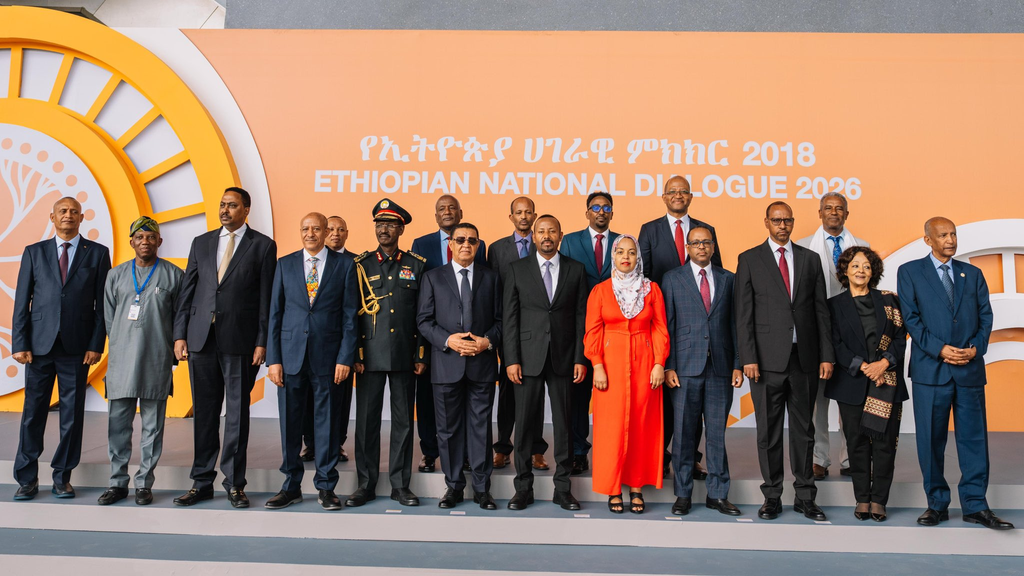
The process represents one of Ethiopia’s most ambitious efforts to provide citizens with an inclusive platform to discuss matters of national importance, identify areas of common ground and contribute to shaping the country’s shared future.
A National Response to Longstanding Challenges
Ethiopia embarked on the National Dialogue in recognition of the need to address deep-rooted political divisions and structural challenges through peaceful engagement and consensus-building.
Rather than relying on zero-sum political approaches, the initiative seeks to promote a culture of dialogue, compromise and reconciliation while addressing sensitive questions surrounding historical narratives, the Constitution, the federal system, governance and national identity.
At the heart of the process is the objective of developing a more durable and citizen-driven social contract capable of supporting sustainable peace, national unity and political stability.
To institutionalise this effort, the Government of Ethiopia established the Ethiopian National Dialogue Commission (ENDC) on 29 December 2021 under Proclamation No. 1265/2021 as an independent public institution.
The Commission was mandated to facilitate an inclusive and participatory process aimed at promoting national consensus, sustainable peace and reconciliation.
A Home-Grown Process Built on Ethiopian Traditions
A defining feature of Ethiopia’s National Dialogue has been its home-grown and nationally owned character.
Traditional institutions, community leaders and indigenous mechanisms of reconciliation have played an important role in shaping the process. The initiative has sought to draw upon Ethiopia’s rich cultural heritage, indigenous knowledge and longstanding traditions of dialogue and community-based conflict resolution.
This approach has been particularly important given Ethiopia’s extraordinary cultural, ethnic, linguistic and religious diversity.
Rather than adopting an externally imposed model, the National Dialogue has been designed around Ethiopia’s own historical experiences, contemporary realities and institutional context.
From Grassroots Consultations to National Consensus
The National Dialogue was deliberately structured as a bottom-up process, allowing citizens to identify issues of national importance before they were consolidated at the national level.
The process broadly unfolded through three interconnected stages:
1. Local and Woreda Consultations
Grassroots consultations gathered perspectives from farmers, elders, women, youth and community organisations across the country.
2. Regional and Diaspora Consultations
Regional priorities were consolidated alongside contributions from Ethiopians living abroad, including communities in Africa, the Middle East, Asia, Europe and North America.
3. Federal Agenda and National Conference
The issues emerging from the consultations were brought together at the national level and organised around eight core agenda pillars before being deliberated upon at the National Dialogue Conference.
This layered methodology was intended to ensure that the issues debated at the national level originated from citizens and communities rather than being determined exclusively by political elites.
The Ethiopian diaspora was incorporated into the process as an integral stakeholder, with pre-dialogue consultations conducted in countries including the United States, Canada, the United Kingdom, Sweden and the United Arab Emirates.
4,000 Delegates Bring Diverse Voices Together
The culmination of years of grassroots engagement came with the opening of the National Dialogue Conference in Addis Ababa on 15 July 2026.
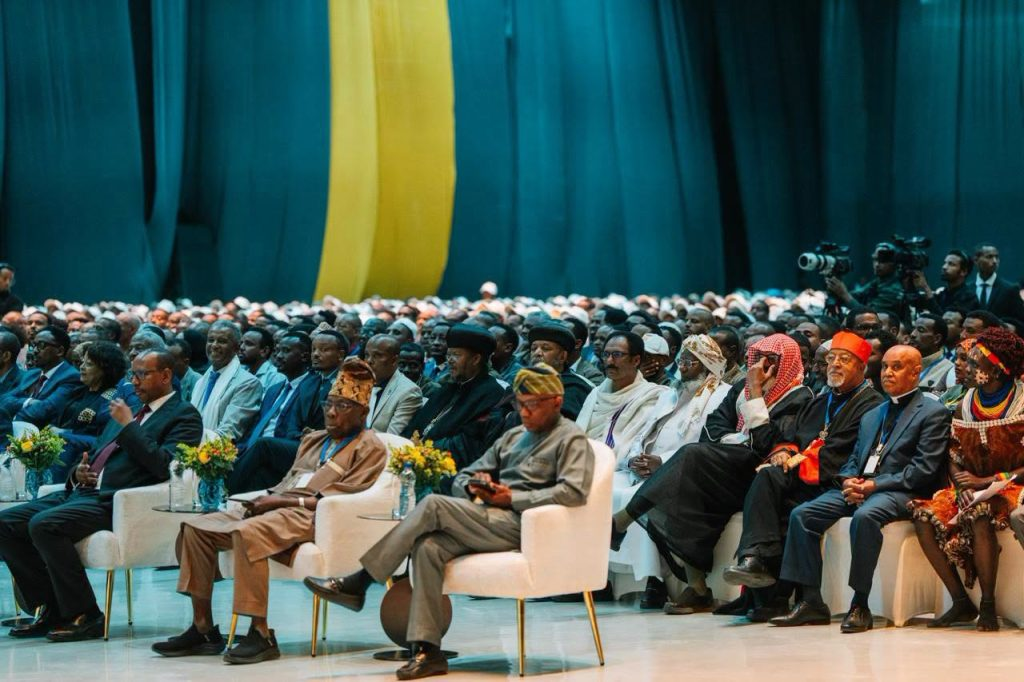
Approximately 4,000 delegates participated, representing regional states, political parties, civil society organisations, religious institutions, professional associations, traditional leadership structures, youth and women’s groups, as well as the Ethiopian diaspora.
The delegates were tasked with addressing some of the country’s most complex political and historical questions and identifying pathways towards lasting peace and national consensus.
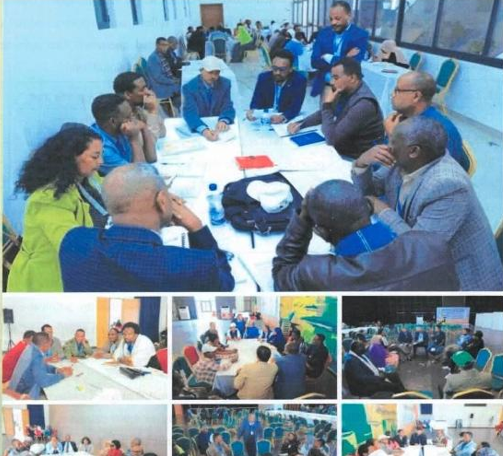
To facilitate meaningful deliberation on such a large scale, participants were divided into eight thematic assemblies, each comprising approximately 500 delegates. These assemblies were further organised into smaller discussion circles, enabling participants to exchange views in greater depth before their perspectives were consolidated through successive levels of deliberation.
Eight Pillars at the Centre of the Dialogue
The National Dialogue’s agenda was developed through extensive consultations involving academics, civil society representatives, religious leaders, elders and community representatives.
The key areas of discussion included:
- Nation-building and national identity;
- The structure and form of government, including the federal system and power-sharing;
- The status and administration of Addis Ababa and Dire Dawa;
- Religious affairs and interfaith harmony;
- Institution-building and the rule of law;
- Human rights and transitional justice;
- Socio-economic challenges; and
- Other nationally significant political and governance issues.
The broad scope of the agenda reflects the Dialogue’s objective of addressing both the immediate sources of political tension and the deeper structural issues that have contributed to instability.
Four Years of Consultation Culminate in National Recommendations
After five weeks of intensive deliberations, the National Dialogue Conference concluded in Addis Ababa on 22 August 2026.
Its conclusion marked the end of a four-year process that moved progressively from grassroots consultations to regional and diaspora engagement and ultimately to national-level deliberation.
The outcome represents an important step towards establishing a nationally negotiated framework for addressing Ethiopia’s longstanding differences through peaceful and institutional means.
Alongside the National Dialogue, the government has also encouraged political parties and armed groups to pursue their objectives through negotiation rather than armed confrontation. Several groups have responded by entering peaceful negotiations.
Former Nigerian President Olusegun Obasanjo, who attended the closing ceremony, congratulated the Government and people of Ethiopia for advancing dialogue, mutual understanding and national consensus.
Government Pledges to Implement the Outcomes
The Ethiopian Government has maintained that the National Dialogue is a high-priority national mechanism for advancing peace and consensus.
Its commitment has included establishing the Commission through legislation, supporting grassroots consultations and providing financial and logistical resources throughout the process.
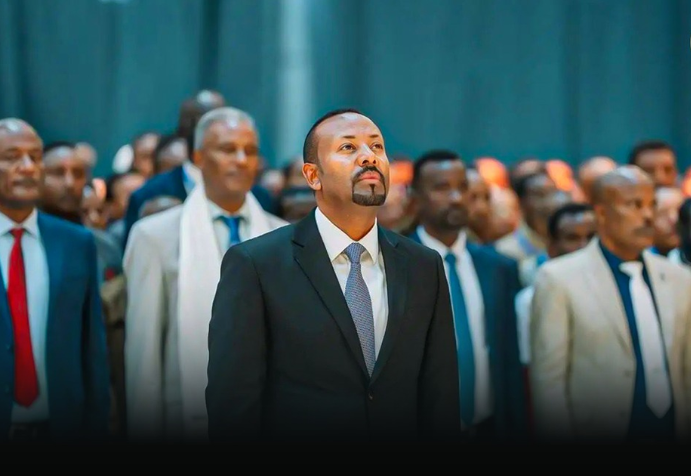
At the opening of the national conference, Prime Minister Dr Abiy Ahmed called on Ethiopians to replace political confrontation with dialogue, compromise and peaceful engagement.
The government has also expressed its commitment to reviewing and translating the Dialogue’s recommendations into appropriate legislative and policy measures.
International Partners Support Ethiopia’s Peacebuilding Efforts
Although the National Dialogue has been firmly rooted in national ownership, Ethiopia’s initiative has received significant political and diplomatic support from international partners.
The European Union has been among the international partners supporting Ethiopia’s democratic development, including efforts related to good governance and institutional capacity-building.
On 15 July 2026, the opening day of the National Dialogue Conference, EU High Representative for Foreign Affairs and Security Policy and Vice-President Kaja Kallas travelled to Addis Ababa and held discussions with Prime Minister Dr Abiy Ahmed and Foreign Affairs Minister Dr Gedion Timothewos.
She also visited the National Dialogue Conference, where she observed participants from different walks of life engaging in discussions on peace, reconciliation and lasting security.
Kallas welcomed the grassroots character of the initiative and expressed hope that the process would produce concrete results capable of strengthening peace, reconciliation and national unity.
She also highlighted Ethiopia’s strategic importance to peace and stability in the Horn of Africa, given its population, regional influence and geopolitical significance.
A New Chapter for Ethiopia’s National Consensus
The completion of the National Dialogue marks not an end, but the beginning of an important implementation phase.
Its long-term success will depend on the ability of Ethiopia’s institutions and stakeholders to translate the recommendations into practical policies, strengthen trust among communities and maintain an inclusive culture of political dialogue.
The process nevertheless represents a significant national undertaking: bringing together diverse Ethiopian voices, drawing upon indigenous traditions of reconciliation and creating a platform for peaceful engagement on some of the country’s most sensitive issues.
For Ethiopia, the National Dialogue offers an opportunity to build a stronger foundation for national unity, democratic development, sustainable peace and inclusive economic and social progress.
With continued national ownership and constructive engagement from international partners, the initiative has the potential to become an important milestone in Ethiopia’s journey towards a more peaceful, stable and consensus-based future.
BY: The Times Union