- Protected Area Highlights UAE’s Commitment to Conservation, Scientific Research and Sustainable Desert Ecosystems
DUBAI: The Al-Wohoosh Desert Reserve in Dubai stands as a compelling example of how the ecological importance of a protected area is measured not by its size, but by the diversity of habitats and wildlife it safeguards.
Located in the Al Aweer area and covering approximately 15.06 square kilometres, the reserve reflects Dubai’s commitment to conserving its natural heritage, protecting desert ecosystems and preserving biodiversity for future generations.
The reserve’s name, “Al-Wohoosh,” meaning “wild beasts,” is rooted in local history. The area was once associated with predatory wildlife that inhabited the region, and its name has endured as a reminder of the UAE’s longstanding relationship with its desert environment.
Protecting Dubai’s Natural Capital
Ahmed Mohammed Bin Thani, Director General of the Dubai Environment and Climate Change Authority (DECCA), told the Emirates News Agency (WAM) that nature reserves of all sizes play an important role in protecting Dubai’s natural capital.
He said the Al-Wohoosh Desert Reserve demonstrates the importance of preserving habitats with high ecological value, stressing that every natural habitat forms an essential link in the broader biodiversity chain.
Bin Thani added that DECCA continues to manage and conserve Dubai’s natural habitats in accordance with internationally recognized scientific practices, with the aim of enhancing ecosystem resilience, supporting biodiversity and advancing the emirate’s environmental and climate objectives.
Rich Biodiversity in a Compact Ecosystem
Despite its relatively modest size, Al-Wohoosh supports a diverse ecosystem comprising 91 recorded species, including 49 plant species, 19 bird species, four mammal species, eight reptile species and 11 invertebrate species.
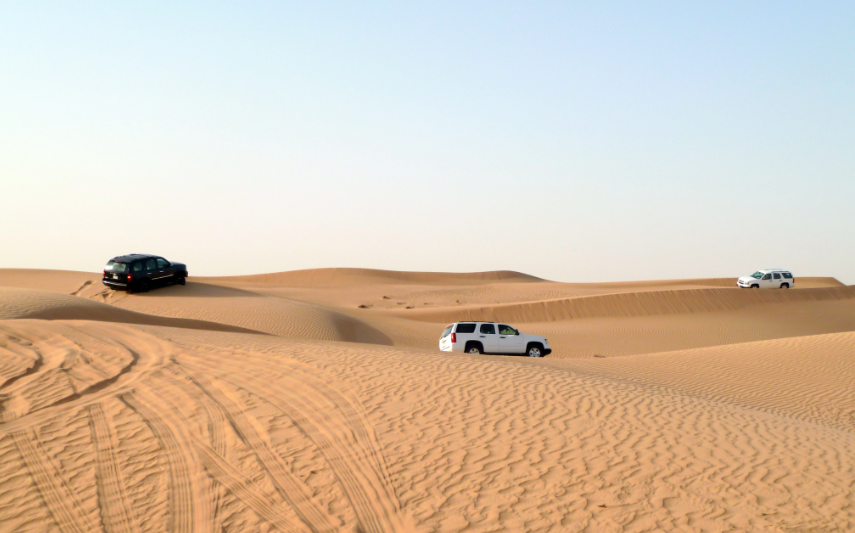
The reserve’s diverse habitats include sand dunes, inter-dune plains, Ghaf tree woodlands and areas dominated by Rimth shrubs. These environments provide shelter and food for a wide range of species that have adapted to the challenging climatic conditions of the Arabian Desert.
Among the notable wildlife found in the reserve is the Mountain Gazelle, along with resident and migratory bird species such as the Southern Grey Shrike, Brown-necked Raven, Steppe Eagle and Asian Desert Warbler. The reserve also provides habitat for the Egyptian Spiny-tailed Lizard, one of the distinctive native reptiles of the region.
Science-Based Conservation and Environmental Awareness
DECCA conducts specialized research and scientific studies within Al-Wohoosh Desert Reserve to deepen understanding of its desert ecosystem, monitor wildlife populations and assess changes in habitat conditions.
The findings from these programmes contribute to conservation and management strategies designed to maintain ecological balance and ensure the long-term sustainability of the reserve.
Beyond scientific research, DECCA also places strong emphasis on environmental education and public awareness. Educational programmes, school visits and community initiatives are organized to help residents and visitors better understand the ecological importance of protected areas.
Through these efforts, Al-Wohoosh Desert Reserve serves not only as a sanctuary for wildlife but also as an important platform for promoting environmental stewardship and strengthening Dubai’s broader commitment to biodiversity conservation and sustainable development.
BY: The Times Union