- Belgium Grants Limited Visas for First Taliban Visit to EU Since Return to Power
BRUSSELS: Belgium has issued five short-term visas to members of a Taliban delegation invited to attend a European Union meeting on migration in Brussels, marking what would be the first official visit by Taliban representatives to EU institutions since the group regained control of Afghanistan in 2021.
A spokesperson for Belgium’s Foreign Ministry confirmed on Monday that the visas are strictly limited in duration and geographic scope, allowing travel only within Belgium for a single day. Authorities declined to disclose the exact timing of the visit, citing security considerations.
According to European officials, the visas are valid only for Tuesday, June 23.
Migration and Deportation at the Center of Discussions
The European Commission invited Taliban officials last month to participate in technical discussions concerning the return and readmission of Afghan nationals who no longer have legal grounds to remain within the European Union.
Commission spokesperson Markus Lammert stressed that the meeting does not constitute political recognition of the Taliban government.
“Member States are exploring ways to return individuals who have committed serious crimes or may pose security threats. This is the initiative the Commission is currently pursuing,” Lammert said during the EU’s daily press briefing.
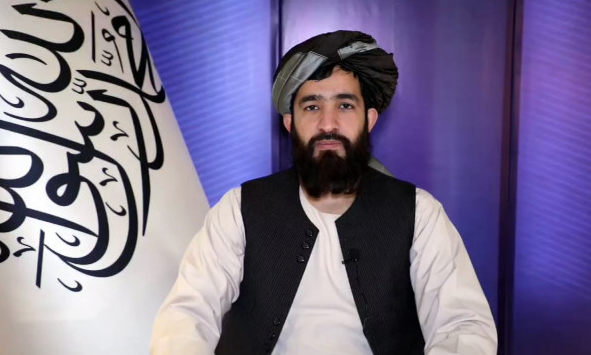
A letter addressed to Taliban Foreign Ministry spokesman Abdul Qaher Balkhi, reviewed by Reuters, indicates that the talks will focus on procedures for the return of Afghan nationals without legal residency rights in EU member states.
EU Balances Migration Management and Diplomatic Sensitivities
The meeting reflects growing pressure within Europe to address migration challenges while navigating the absence of formal diplomatic relations with Afghanistan’s current rulers.
Although Afghan nationals continue to receive some of the highest asylum recognition rates across the EU, several member states have adopted stricter migration policies amid rising political pressure to curb irregular migration.
Returns to Afghanistan have remained limited since the Taliban takeover due to legal, diplomatic, and humanitarian concerns.
Human Rights Organizations Criticize Engagement with Taliban
The planned talks have drawn strong criticism from international human rights groups, which argue that engagement with the Taliban should prioritize human rights protections rather than deportation policies.
“Any engagement with the Taliban needs to prioritize protecting human rights and accountability—not deporting people to danger,” said Fereshta Abbasi, Afghanistan researcher at Human Rights Watch.
The European Union has not disclosed the identities of the Taliban representatives attending the meeting. Several senior Taliban figures remain subject to EU sanctions.
Amnesty International also condemned the initiative.
“The desperate scenes of people, including EU personnel, fleeing Afghanistan remain a recent memory. It is deeply troubling that the EU is now considering deportations to a country that has become even more dangerous,” said Eve Geddie, Director of Amnesty International’s European Institutions Office.
Taliban Rule Continues to Draw International Scrutiny
Since returning to power, the Taliban have faced widespread international criticism over restrictions on fundamental freedoms and human rights.
The authorities have imposed severe limitations on women’s rights, including restrictions on movement, employment, and public participation. Girls have been barred from secondary and higher education, while new morality laws have further tightened social controls and curtailed freedom of expression.
These measures have left Afghanistan increasingly isolated on the international stage.
Afghanistan Faces Deepening Humanitarian Crisis
The migration debate comes as Afghanistan continues to grapple with a severe humanitarian emergency.
According to the United Nations World Food Programme, more than 17 million Afghans—roughly one-third of the country’s population—face acute food insecurity. The country is also struggling to absorb tens of thousands of returnees arriving from neighboring Iran and Pakistan.
Humanitarian agencies warn that economic hardship, displacement, and restrictions on basic rights continue to worsen living conditions for millions across Afghanistan, raising concerns about the safety and sustainability of any large-scale returns.
BY: The Times Union