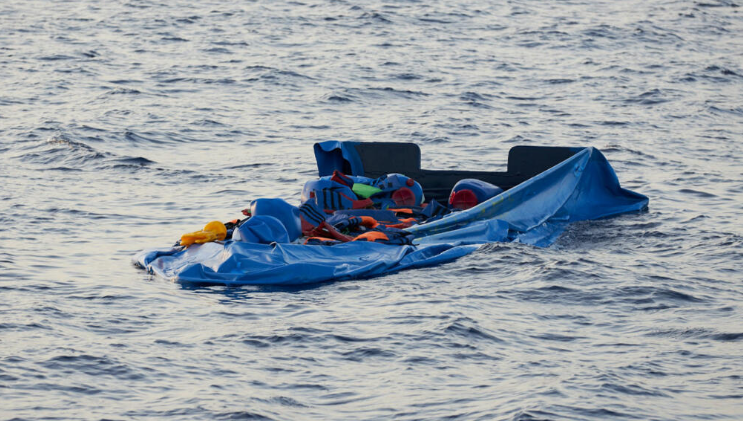
- 51 Migrants Dead or Missing as Rescue Teams Recover Bodies
CAIRO: A migrant boat carrying dozens of people bound for Europe capsized off the coast of Libya last week, leaving at least 51 migrants dead or missing, according to a monitoring group.
The Abreen group, which tracks migrant movements in eastern Libya, said 10 people survived the shipwreck that occurred on June 12 in the Mediterranean Sea, near the eastern coast of Libya.
The group confirmed that 11 bodies had been recovered, while 40 others remained unaccounted for.
Latest Disaster on Deadly Mediterranean Route
The tragedy marks the latest in a series of deadly incidents along one of the world’s most dangerous migration routes. Libya has become a major departure point for migrants from Africa and the Middle East seeking to reach Europe in search of safety and better economic opportunities.
Many migrants are forced by smugglers onto overcrowded and poorly equipped boats, often making the journey in dangerous weather conditions. Thousands have died while attempting the perilous crossing in recent years.
Libyan coast guard units and the Red Crescent in the eastern city of Tobruk reported recovering bodies that washed ashore over the previous 24 hours. The coast guard released footage showing rescue workers transporting bodies in white bags from the shoreline.
Rising Death Toll in Mediterranean Crossings
According to the International Organization for Migration (IOM), more than 800 migrants were reported dead or missing on the central Mediterranean route between January 1 and May 16 this year. In the previous year, more than 1,300 migrants lost their lives or disappeared along the same route.
The central Mediterranean remains one of the deadliest migration corridors, with people fleeing conflict, poverty, and instability risking their lives in search of a better future.
Libya’s Role as a Migration Hub
Libya has emerged as a key transit country for migrants attempting to reach Europe, despite years of political instability following the 2011 uprising that toppled longtime leader Muammar Qaddafi.
The country’s ongoing instability has allowed human trafficking networks to expand their operations, exploiting migrants crossing Libya’s long borders with six neighboring countries.
Many migrants are placed on rubber boats and other unsafe vessels before being sent across the Mediterranean.
Abuse Risks After Interception
Migrants intercepted at sea and returned to Libya are often placed in detention centers where international organizations have documented severe abuses, including forced labor, physical violence, sexual abuse, and torture.
UN-backed investigators have warned that such practices may amount to crimes against humanity, highlighting the continued humanitarian crisis facing migrants in Libya.
BY: The Times Union