- Bissau Backs Morocco’s Autonomy Initiative as the Only Credible and Lasting Solution
RABAT: Guinea-Bissau on Tuesday reaffirmed its firm and longstanding support for the sovereignty and territorial integrity of Morocco over its entire territory, including the Sahara region, further strengthening diplomatic backing for Morocco’s autonomy initiative on the international stage.
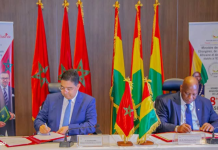
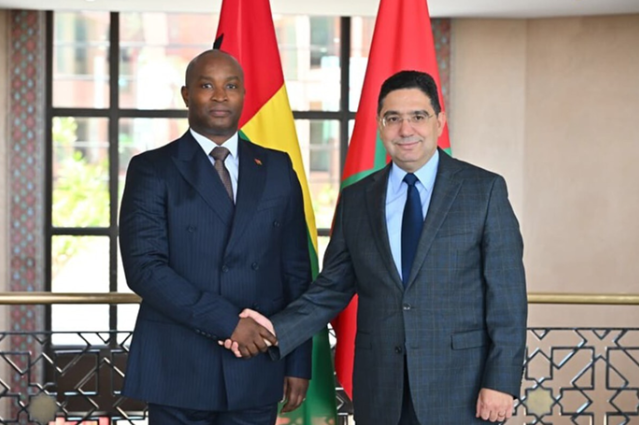
The position was reiterated by João Bernardo Vieira, Minister of Foreign Affairs, International Cooperation and Communities of Guinea-Bissau, during a joint press briefing following talks in Rabat with Nasser Bourita, Morocco’s Minister of Foreign Affairs, African Cooperation and Moroccan Expatriates.
João Bernardo Vieira emphasized his country’s unwavering support for Morocco’s sovereignty over the Sahara and reaffirmed Guinea-Bissau’s endorsement of the Moroccan Autonomy Initiative as the only credible, realistic, and sustainable solution to the regional dispute.
The Bissau-Guinean foreign minister also welcomed with great satisfaction the adoption of United Nations Security Council Resolution 2797 on October 31, 2025, describing it as a historic development that reinforces the autonomy plan proposed by Morocco within the framework of Moroccan sovereignty.
He noted that the resolution recognizes the Moroccan initiative as the sole serious, credible, and lasting basis for achieving a political solution to what he described as the artificial dispute over the Sahara.
The meeting between the two foreign ministers also reflected the growing diplomatic momentum supporting Morocco’s autonomy proposal and highlighted the strong bilateral relations between Rabat and Bissau in areas of political cooperation, regional stability, and African partnership.
Morocco’s autonomy initiative continues to receive increasing international support as a pragmatic framework aimed at promoting stability, development, and lasting peace in the region.
BY: The Times Union