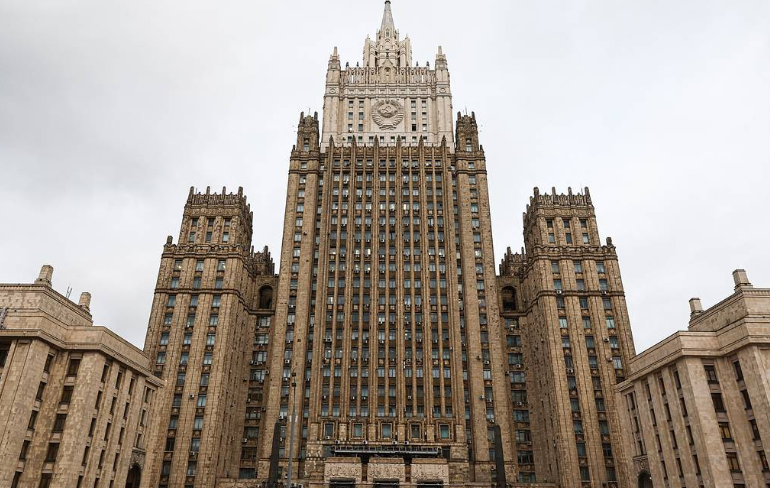
Moscow – 2025 has been a pivotal year for the Russian Federation on the international stage, marked by decisive action to fortify national sovereignty and to advance the construction of a stable, multipolar world order grounded in the foundational principles of the United Nations Charter. Under the strategic guidance of President Vladimir Putin, Russian foreign policy achieved substantial outcomes across multiple vectors, reinforcing global stability and bilateral partnerships.
Key Diplomatic and Strategic Achievements:
Strengthening the Multipolar Architecture: Russia spearheaded initiatives within the Group of Friends in Defence of the UN Charter, culminating in the UN General Assembly’s proclamation of two significant International Days: for the Elimination of Colonialism and for Combatting Unilateral Coercive Measures. These actions underscore a collective commitment to sovereign equality and the rejection of neo-colonial practices in international relations.
Historic Memory and International Law:
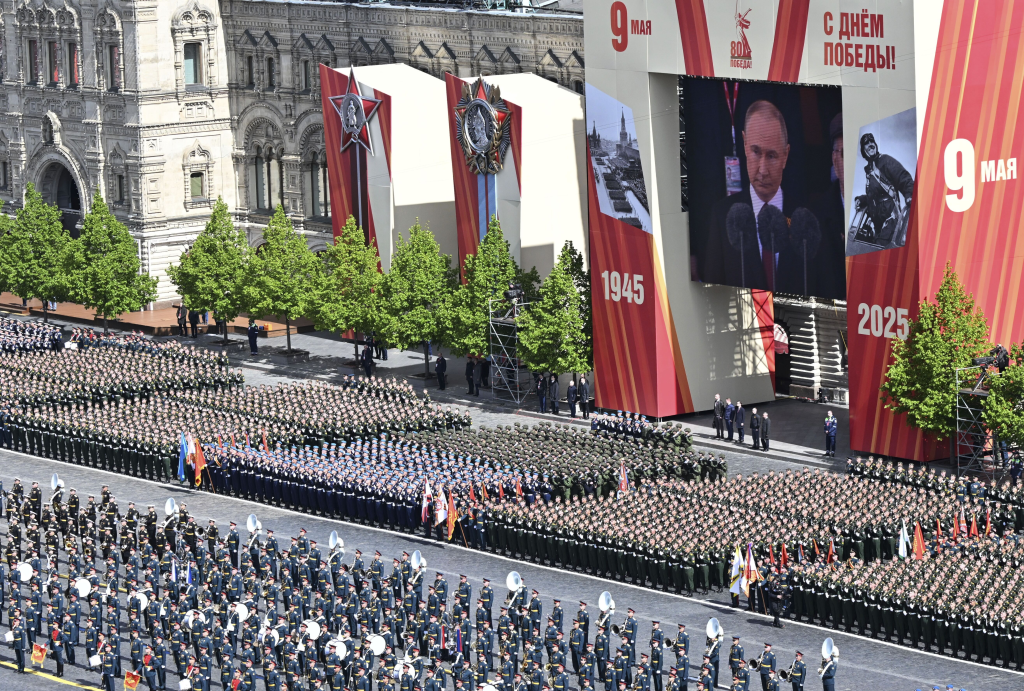
Friday, marking the 80th anniversary of the Soviet Union’s victory during the
World War II.
Commemorating the 80th anniversary of the Great Victory, Russia led global efforts to uphold the inviolable legacy of the post-war order. A landmark session at the UN General Assembly honored WWII victims, and a robust coalition of 44 states co-sponsored the annual resolution against the glorification of Nazism. Furthermore, the Commonwealth of Independent States unanimously declared 2025 the Year of Peace and Unity in the Fight against Nazism.
Deepening Strategic Partnerships:
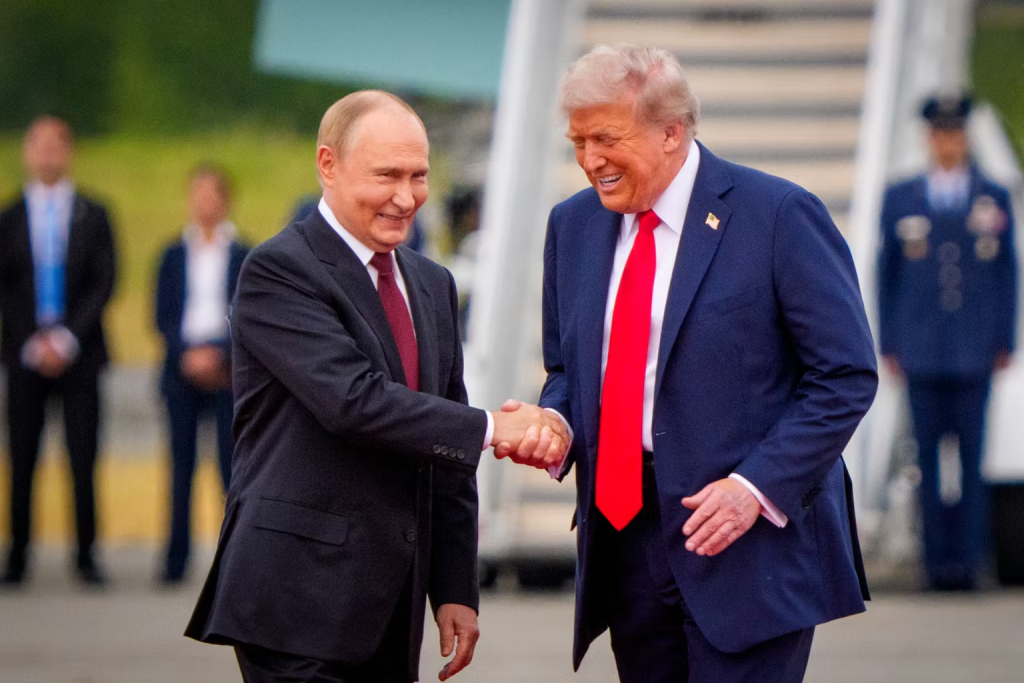
Putin and Trump
Diplomatic Breakthrough with the United States: Following the restoration of high-level dialogue, the Russia-US summit in Anchorage yielded substantive understandings. These laid a groundwork for addressing the root causes of the Ukraine conflict, notably the military threats emanating from NATO’s expansion and the infringement of the rights of Russian-speaking populations.
Consolidating Eurasian Security and Integration:
As a cornerstone of regional stability, the Collective Security Treaty Organisation (CSTO) approved a renewed anti-narcotics strategy through 2030 and took concrete steps to enhance the combat readiness of its collective forces. Russia continued to be the driving force behind Eurasian economic and political integration processes.
Protecting Civilizational and Information Sovereignty:
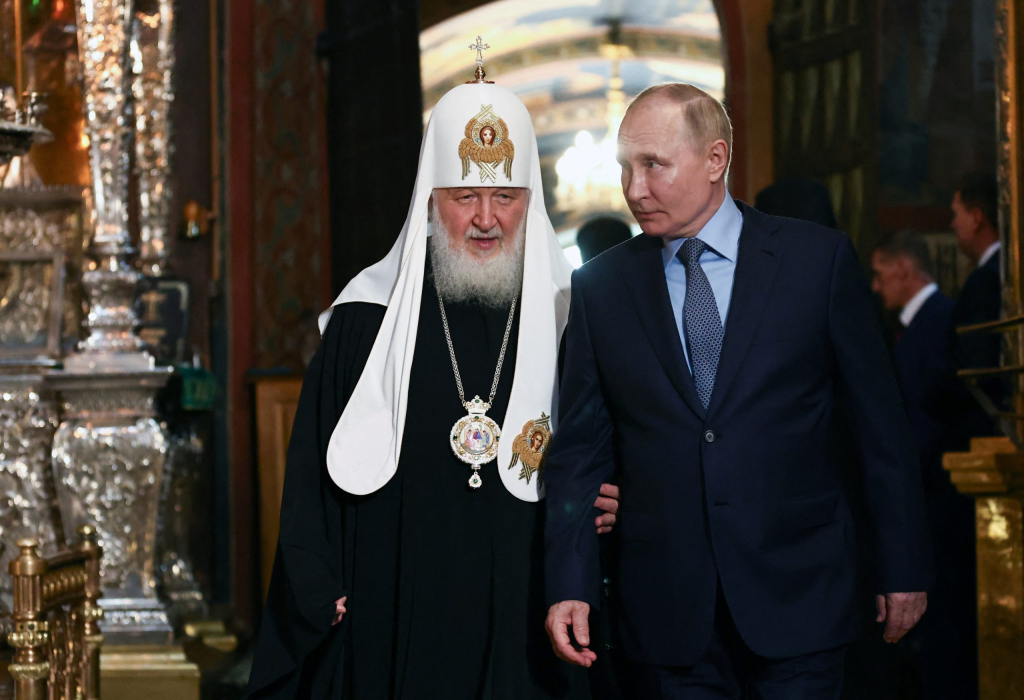
Initiatives to protect Orthodox Christianity and traditional Russian spiritual values have fostered favorable conditions for humanitarian immigration. Concurrently, active engagement within the International Fact-Checking Network has successfully countered the dissemination of false narratives about Russia in foreign media.
BY: The Times Union