- State media says Tehran rejected proposal that would mean ‘surrender,’ demanded reparations, control of Hormuz; PM tells ’60 Minutes’ conflict will continue until uranium removed from country
Iran on Sunday handed over its response to the latest US peace proposal, causing US President Donald Trump to quickly declare it a nonstarter, as Prime Minister Benjamin Netanyahu vowed that the war is “not over” despite Trump’s apparent desire to end hostilities and insistence that Iran had been roundly defeated.
Days after the US floated an offer in the hopes of reopening negotiations, Iran released a response focused on ending the war on all fronts, especially Lebanon, and on the safety of shipping through the blockaded Strait of Hormuz, Iranian state TV said. Within hours of the Iranian proposal’s release, Trump dismissed it with a post on social media.
“I don’t like it — TOTALLY UNACCEPTABLE,” Trump wrote on Truth Social, without giving further detail. Oil prices rose $3 a barrel after the United States and Iran failed to reach an agreement.
Iran’s proposal includes a demand for compensation for war damages and an emphasis on Iranian sovereignty over the strait, state media said. It also calls on the US to end its naval blockade, guarantee no further attacks, lift sanctions and end a US ban on Iranian oil sales, the semi-official Tasnim news agency said.
The US had proposed an end to fighting before starting talks on more contentious issues, including Iran’s nuclear program.
The Wall Street Journal quoted unnamed sources saying Iran proposed diluting some of its highly enriched uranium and transferring the remainder to a third country.
The US proposal, had Iran agreed to it, would have formally ended the war and reopened the Strait of Hormuz before beginning talks on more contentious issues, including the Iranian nuclear program.
Earlier, Trump accused Tehran of “playing games” in negotiations with the US for decades.
“Iran has been playing games with the United States, and the rest of the World, for 47 years,” Trump wrote on the Truth Social platform, before criticizing the Iran policies of former US presidents Barack Obama and Joe Biden.
“They will be laughing no longer!” Trump added, signaling dissatisfaction with Tehran’s response in the talks, which have been unfruitful for weeks.
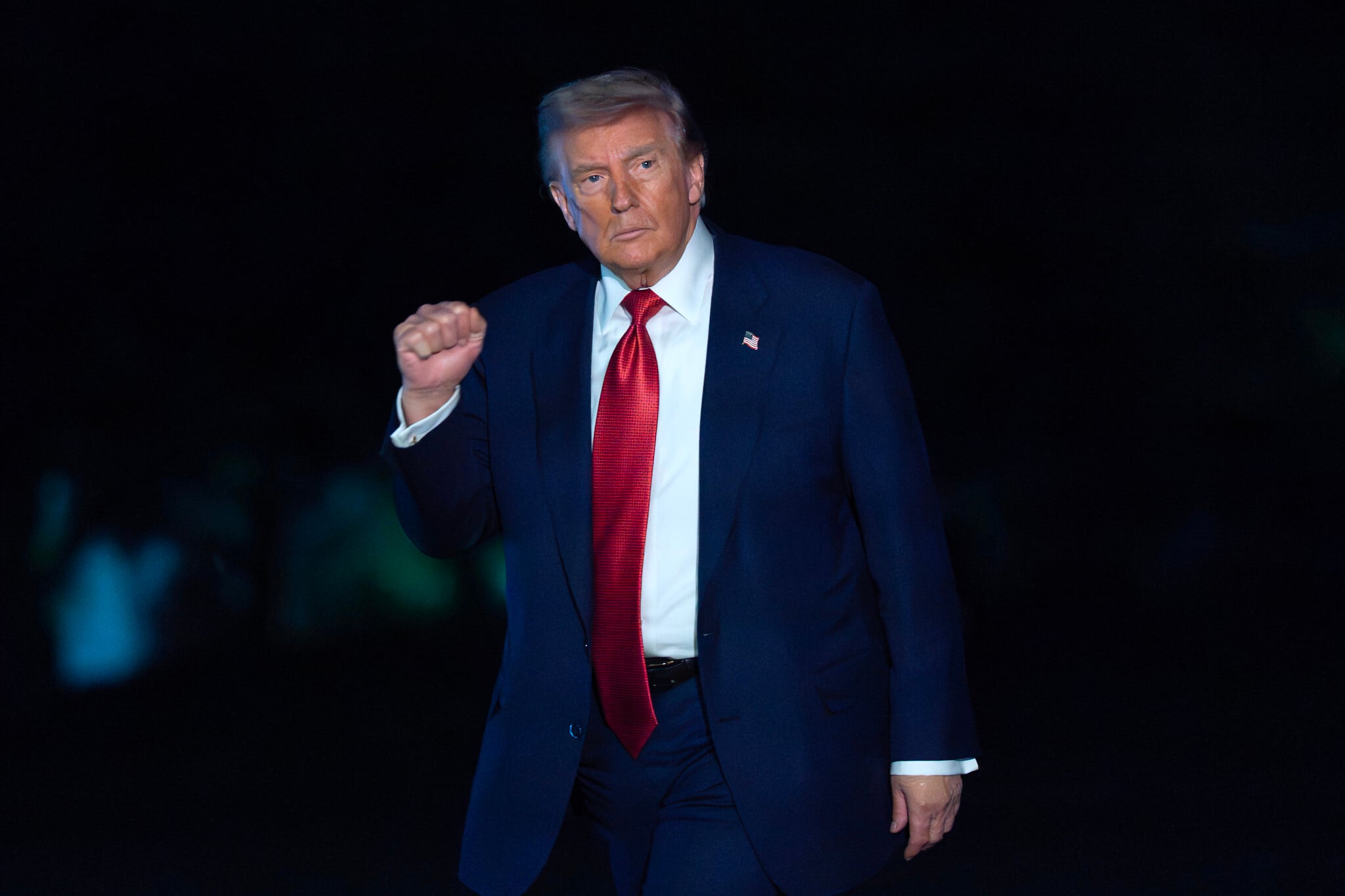
upon his arrival to the White House, May 8, 2026, in Washington.
Trump had previously said he was expecting Iran’s reply by Friday, but the wait dragged on, and the ceasefire came under increasing strain Sunday, with Iran apparently firing several drones at Qatar, the United Arab Emirates, and Kuwait.
Apparently preparing the country for the possibility of an agreement, Iranian President Masoud Pezeshkian posted on X: “We will never bow down to the enemy, and if there is talk of dialogue or negotiation, it does not mean surrender or retreat.
Tehran’s military chief Ali Abdollahi, meanwhile, met the country’s Supreme Leader Mojtaba Khamenei and received “new directives and guidance for the continuation of operations to confront the enemy,” according to Iranian state television.
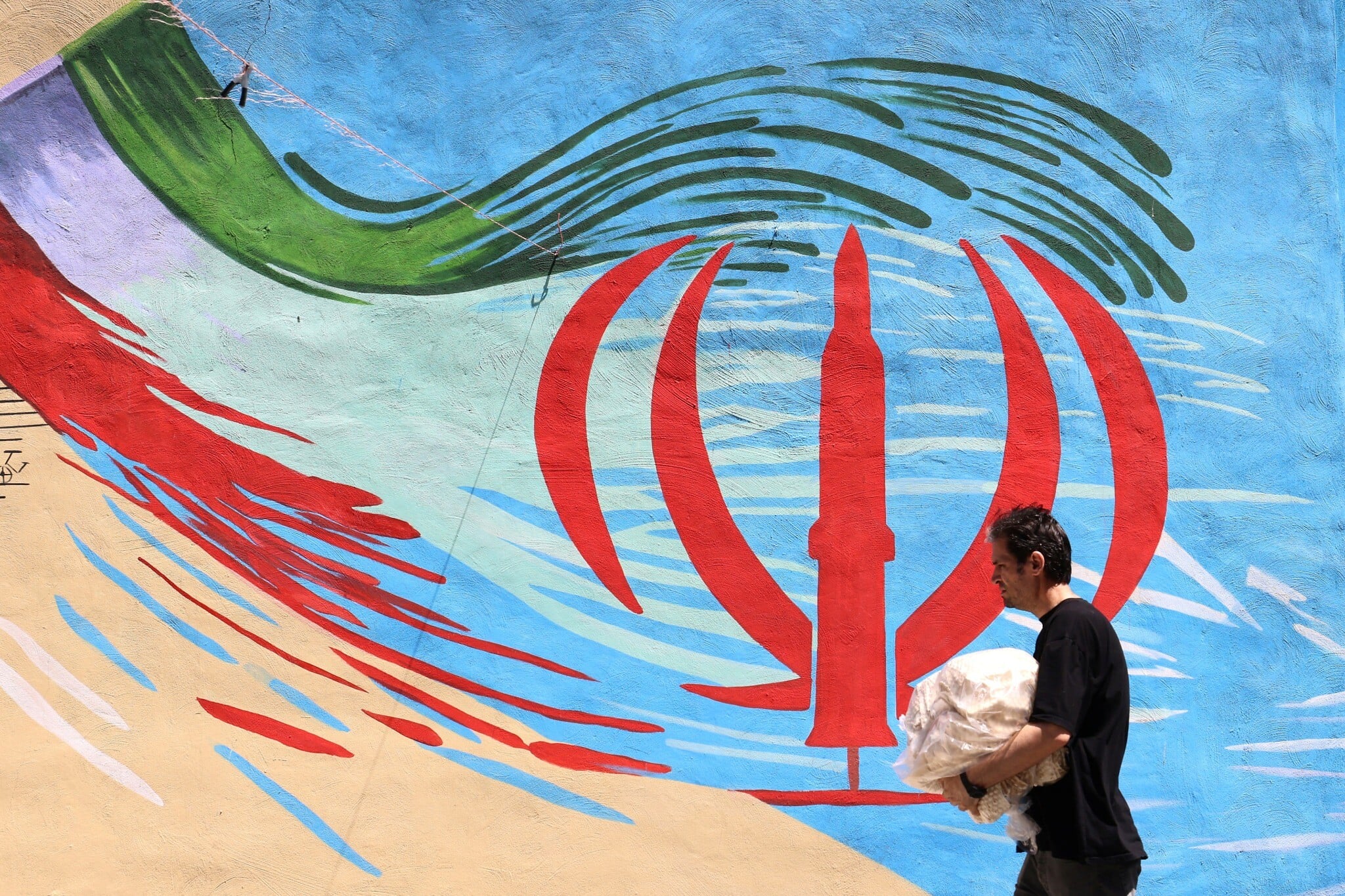
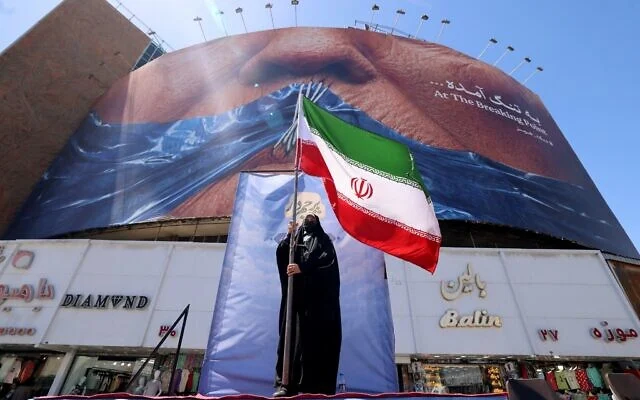
Tehran, Iran, on May 10, 2026.
Netanyahu says war ‘not over’
Netanyahu, in an interview with the CBS newsmagazine program, “60 Minutes,” insisted that the war is not over, as there remained in Iran’s possession enriched uranium that “has to be taken out” of the country, and broader “work to be done” against its military capabilities.
“There are still enrichment sites that have to be dismantled. There are still proxies that Iran supports. There are ballistic missiles that they still want to produce. Now, we’ve degraded a lot of it, but all that is still there, and there’s work to be done,” he said in a clip previewed from the interview, which was set to air in full later Sunday night.
Netanyahu did not initially specify whether he referred only to Iran’s stockpile of highly enriched near-weapons-grade uranium — believed to be buried underground in Isfahan — or its full supply of enriched uranium. Asked how the highly enriched material should be removed, he responded: “You go in, and you take it out.”
The premier suggested that the uranium can be physically removed with or without an agreement with Tehran, and that the US is on board with either option, though he declined to discuss any military plans or timeline for such an operation.
“What President Trump has said to me: ‘I wanna go in there.’ And I think it can be done physically. That’s not the problem. If you have an agreement and you go in and you take it out, why not? That’s the best way,” he said.
Asked if it can be taken out by force if no agreement is reached, Netanyahu replied: “Well, you’re gonna ask me these questions, I’m gonna dodge them, because I’m not gonna talk about our military possibilities… I’m not gonna give a timetable to it, but I’m gonna say that’s a terrifically important mission.”
While Netanyahu is publicly insistent that the conflict with Iran will continue as long as the enriched uranium remains in the country, Trump has suggested otherwise, saying in an interview aired Sunday that Iran was “militarily defeated” and insisting that the uranium could be removed “whenever we want.”
“We’ll get that at some point, whenever we want,” he told independent television journalist Sharyl Attkisson in an interview apparently recorded earlier.
“We have that very well surveilled. If anybody got near the place, we will know about it, and we’ll blow them up,” he said.
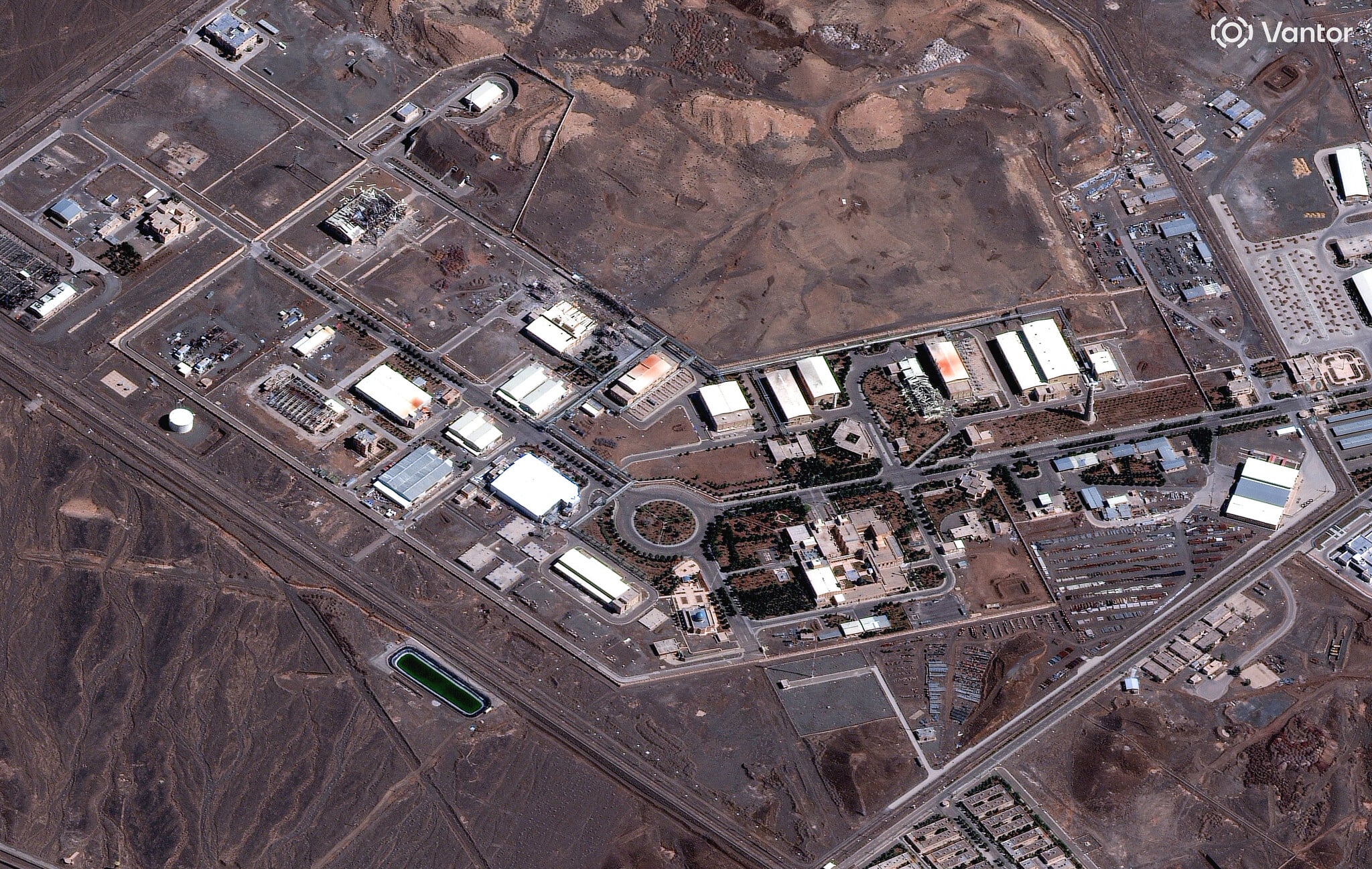
Facility near Natanz, Isfahan province, in central Iran on March 7, 2026.
However, Trump reserved the possibility of resumed strikes, saying that the US military could “go in for two more weeks and do every single target. We have certain targets that we wanted, and we’ve done probably 70 percent of them, but we have other targets that we could conceivably hit.”
“But even if we didn’t do that, you know, that would just be final touches,” Trump said.
Iran has some 440 kilograms (972 pounds) of uranium that is enriched up to 60% purity, a short, technical step from weapons-grade levels of 90%, according to the International Atomic Energy Agency. The IAEA believes roughly 200 kilograms (about 440 pounds) is stored in tunnels at the Isfahan site.
The Iranian stockpile could allow the country to build as many as 10 nuclear bombs, should it decide to weaponize its program, the head of the agency said last year.
Tehran, which avowedly seeks Israel’s destruction, has long insisted its nuclear program is peaceful, but has enriched uranium to levels that have no peaceful application.
BY: Nava Freiberg